



The 1920s & 30s: Sculpted Finger Waves
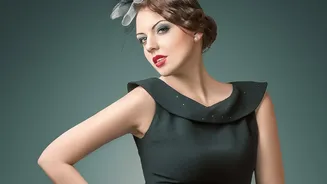
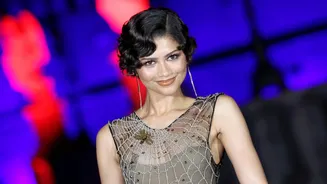
The iconic look of the Roaring Twenties was all about sleek, polished waves set close to the head. Popularized by flappers and silent film stars like Bette Davis, finger waves were a symbol of liberation and high fashion. This highly structured, glossy
style softened the sharp lines of the popular bob haircut. While traditional methods involved setting wet hair with lotion and fingers, you can get a modern interpretation more easily. For longer hair, use a small-barrel curling iron to create tight, uniform curls, then brush them out and use clips to manually push the hair into an 'S' shape as it cools. For shorter hair, a strong-hold mousse and a fine-toothed comb are your best friends for sculpting the waves while the hair is damp.
The 1940s: Old Hollywood Glamour
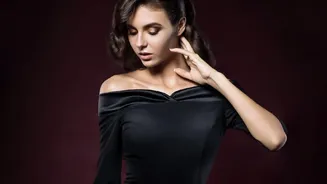
The 1940s were defined by soft, voluminous curls and structured waves, a look made famous by silver screen sirens like Veronica Lake and Rita Hayworth. Often parted deeply to one side, this style exudes a polished, romantic glamour that still dominates red carpets today. The key was creating a uniform wave pattern that looked both structured and soft. Women of the era often used pin curls set overnight to achieve this look. For a contemporary approach, use a 1-inch or 1.5-inch curling iron, curling all sections in the same direction. After curling, let the sections cool completely before gently brushing them out with a paddle brush. The more you brush, the more the individual curls will blend into a continuous, rolling wave.
The 1970s: The Feathered Flip
When you think of 70s hair, one image comes to mind: Farrah Fawcett's iconic feathered hairstyle. This look was all about volume, movement, and soft curls flicked away from the face. It was a departure from the more structured styles of previous decades, embracing a more natural and free-spirited vibe. The style is defined by its center part and face-framing layers. To get a modern version, the key is in the blow-dry. Use a round brush to lift the roots and curl the ends outwards. For extra staying power, you can also use a large-barrel curling iron or even hot rollers, always directing the hair up and away from the face to create that signature flipped-out movement.
The 1990s: Bouncy Supermodel Curls
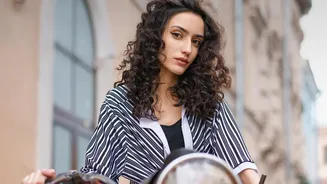
The 90s saw a return to big, bouncy, and glamorous hair, inspired by supermodels like Cindy Crawford. This look was less about structured waves and more about healthy, voluminous curls with lots of body and shine. The style shifted away from the sky-high perms of the 80s towards more defined, yet touchably soft, ringlets. The secret to this look is creating volume at the roots and maintaining soft, separated curls through the lengths. You can achieve this with a large-barrel curling iron or, for a truly authentic 90s experience, hot rollers. After styling, let the curls cool completely before gently separating them with your fingers and finishing with a flexible-hold hairspray to maintain movement.