





Kanazawa: The 'Little Kyoto'
Instead of braving the shoulder-to-shoulder crowds of Kyoto, consider Kanazawa. This city on the Sea of Japan coast is often called 'Little Kyoto' for good reason, but it receives a fraction of the visitors. Kanazawa boasts one of Japan's three most beautiful
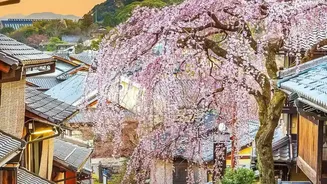
landscape gardens, Kenrokuen, which offers breathtaking views in every season without the overwhelming queues of its Kyoto counterparts. The city's Higashi Chaya district is a beautifully preserved geisha district with traditional wooden teahouses, artisanal shops, and a tangible sense of history that you can actually pause to appreciate. You can also explore the Nagamachi samurai district, where the former homes of samurai families still stand, offering a glimpse into a bygone era. Easily accessible from Tokyo or Osaka via the Shinkansen, Kanazawa provides a rich cultural experience that feels both grand and intimate.
Shikoku Island: A Spiritual Journey
If you're looking for an alternative to the popular pilgrimage sites or nature trails near major cities, Shikoku offers an entire island of discovery. As the smallest of Japan's four main islands, it is renowned for the Shikoku Henro, a 1,200-kilometre pilgrimage route that connects 88 Buddhist temples. While completing the entire circuit can take months, visitors can easily tackle smaller sections, either by foot or by using local transport. This journey, associated with the monk Kobo Daishi, offers a deep spiritual and cultural immersion far from the tourist trail. Beyond the temples, Shikoku is home to dramatic coastlines, lush mountains, and pristine rivers. It’s an ideal destination for those who want to combine cultural exploration with outdoor adventure in a part of Japan that remains largely untouched by mass tourism.
Tohoku Region: For Unspoiled Nature
Many travellers flock to Hokkaido for its famous winter snow festivals and summer lavender fields. For a similar experience with wild, untamed beauty and far fewer people, the Tohoku region is a spectacular choice. Located in the northeastern part of Japan's main island, Honshu, Tohoku is a land of dramatic landscapes, including rugged mountains, mysterious crater lakes, and deeply forested valleys. In winter, it offers some of the country's best powder snow for skiing and snowboarding. The region is also dotted with historic castle towns, numerous hot spring (onsen) resorts, and hosts vibrant summer festivals (matsuri) that retain a strong sense of local tradition. Visiting Tohoku not only helps you avoid crowds but also supports a region that is still recovering economically, making your travel both meaningful and memorable.
Fukuoka: A Dynamic Urban Alternative
Instead of getting lost in the endless urban sprawl of Tokyo or Osaka, consider Fukuoka as your city base. Located on the northern shore of Kyushu island, Fukuoka is a modern, dynamic city that consistently ranks as one of Japan's most liveable. It offers a fantastic blend of contemporary city life and rich history. You can explore ancient shrines, relax in beautiful parks like Ohori Park, and indulge in one of Japan's best food scenes. The city is particularly famous for its open-air food stalls, known as yatai, which serve up delicious and affordable local specialities like Hakata ramen. Fukuoka serves as a perfect gateway to exploring the rest of the Kyushu region, which is packed with volcanic landscapes, historic port towns, and world-class hot springs, all while sidestepping the main tourist corridor.
Yakushima Island: A Primeval Forest
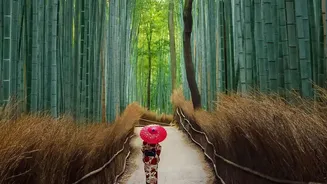
While many seek out the Arashiyama Bamboo Grove in Kyoto, often finding it impassably crowded, Yakushima Island offers a truly immersive and ancient forest experience. A UNESCO World Heritage site, this subtropical island off the southern coast of Kyushu is famous for its thousand-year-old cedar trees, known as Yakusugi. Hiking through its moss-covered, primeval forests feels like stepping into a Studio Ghibli film. The island's diverse ecosystems range from stunning beaches where sea turtles nest to towering, cloud-covered mountains. While it requires more effort to reach than a city park, the reward is a profound connection with nature that is simply impossible to find in Japan's more accessible, and therefore more crowded, natural attractions. It’s a destination for the dedicated traveller seeking awe and solitude.