

India's Vigilant Eye on the Sun
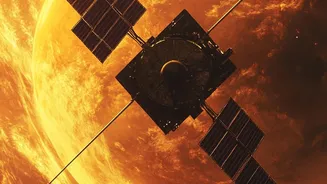
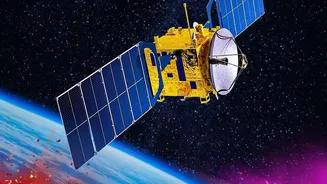
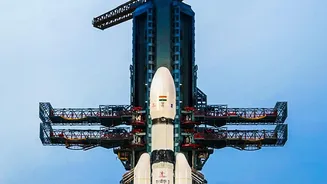
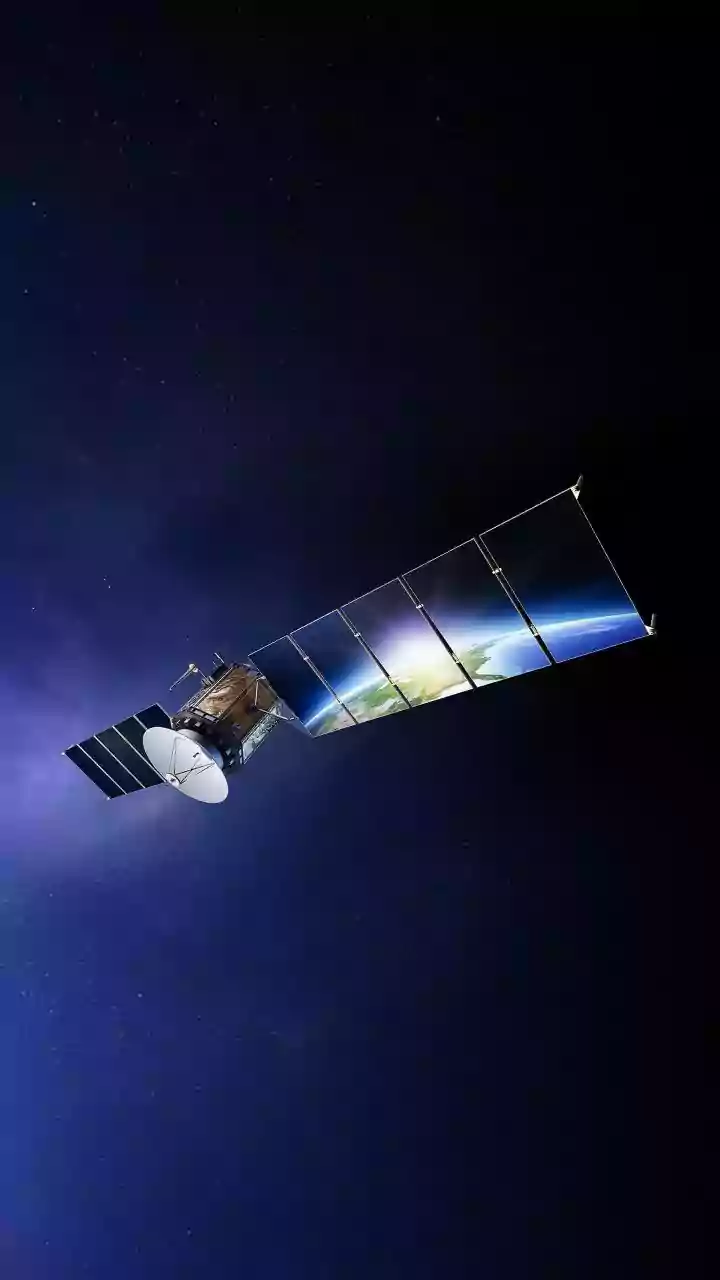
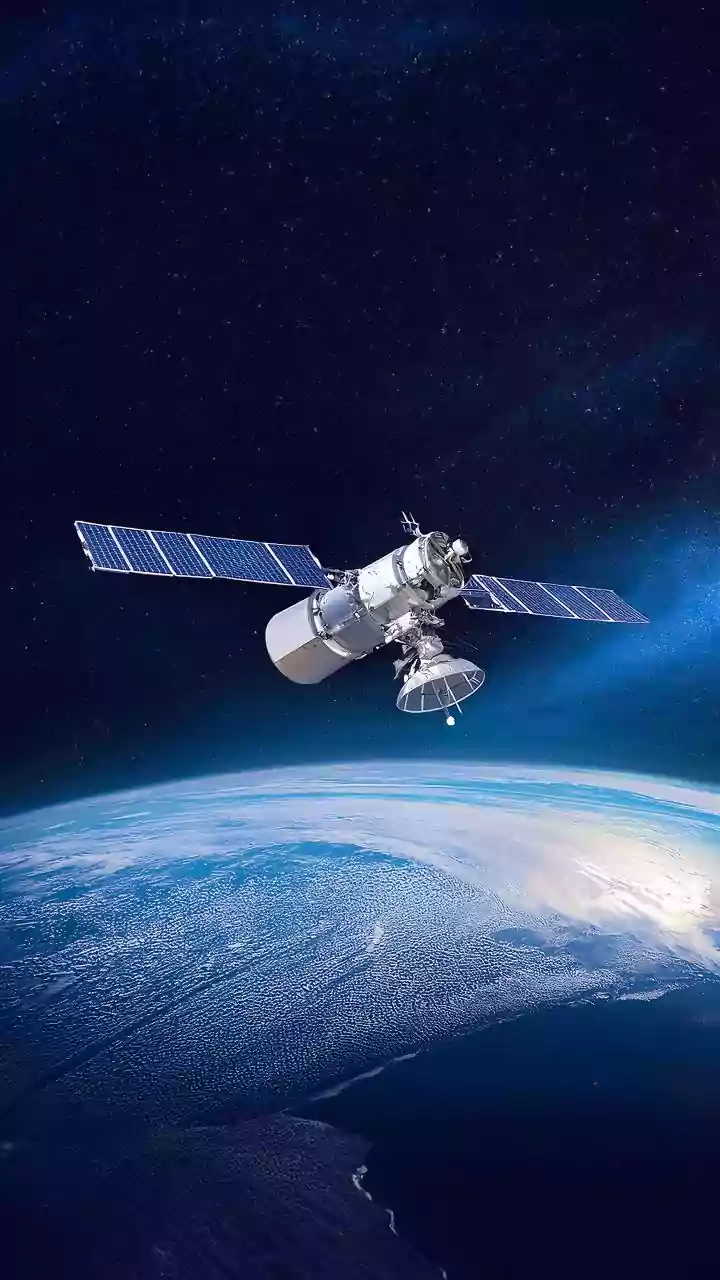
Launched in September 2023, Aditya-L1 is India’s first dedicated solar mission, an ambitious project by the Indian Space Research Organisation (ISRO). Positioned at the first Lagrange point (L1) between the Sun and Earth, it has an uninterrupted view
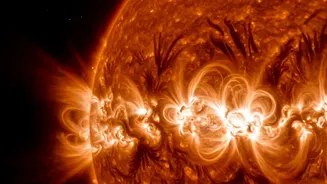
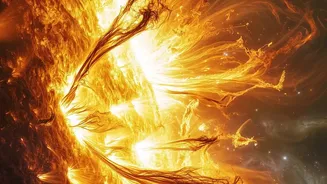
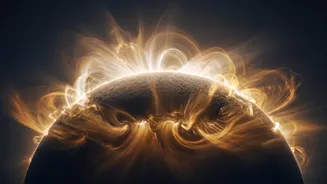
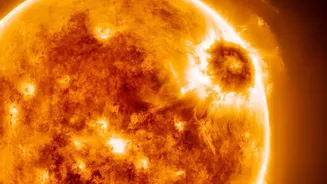
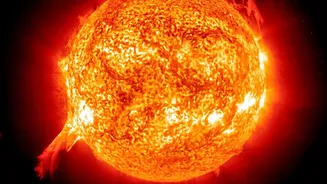
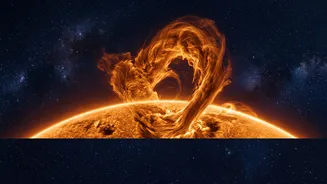
of our star. The mission's primary goal is to study the solar corona, chromosphere, and photosphere. A key instrument onboard is the Visible Emission Line Coronagraph (VELC), developed by the Indian Institute of Astrophysics (IIA). VELC is a spectrograph designed to analyse the corona's temperature and density, providing crucial data on phenomena like coronal mass ejections (CMEs) — massive bursts of plasma from the sun. Understanding these events is vital as they can significantly impact space weather, affecting satellites and communication systems on Earth.
Europe’s Artificial Eclipse in Space
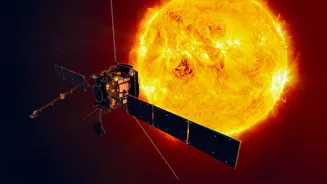
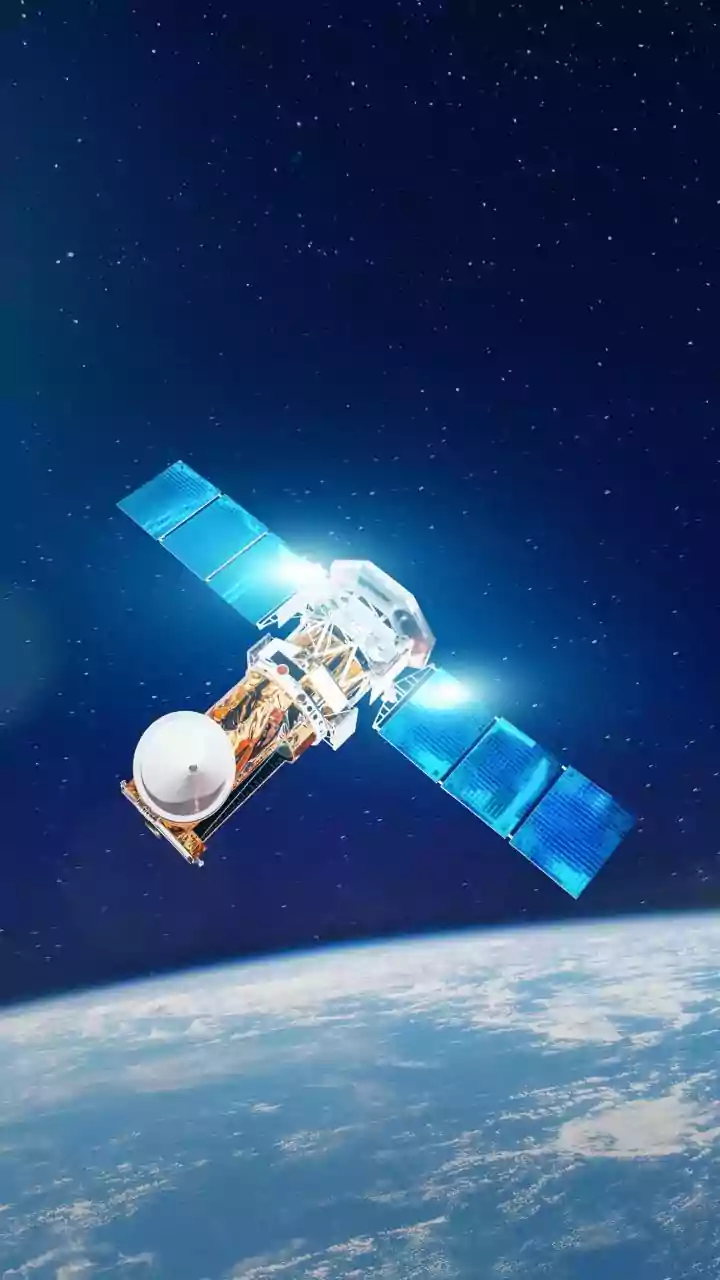
The European Space Agency's (ESA) Proba-3 mission is a technological marvel in its own right. Launched in December 2024 aboard an Indian PSLV-XL rocket, it is the world's first precision formation-flying mission. Proba-3 consists of two satellites flying in a precise alignment about 150 metres apart. One satellite casts a shadow on the other, creating a sustained artificial solar eclipse. This innovative technique allows its coronagraph, known as ASPIICS, to observe the Sun's faint corona much closer to the solar rim than ever before, a region notoriously difficult to study. While the primary goal is to demonstrate formation-flying technology for future missions, its scientific payload provides an unprecedented view of the inner corona.
A Partnership Forged in the Cosmos
The collaboration between ISRO and ESA is not new, but this joint study marks a significant milestone in solar physics. Scientists, led by researchers at Bengaluru's Indian Institute of Astrophysics, combined observations from Aditya-L1's VELC and Proba-3's ASPIICS. While VELC provides spectroscopic data (analysing light to determine properties like temperature and density), ASPIICS provides imaging data (taking pictures). This synergy allows for a more complete and cross-checked understanding of solar events. For the first time, researchers could analyse the same CMEs using two different, complementary methods, offering deeper insights than either mission could achieve alone.
Unlocking Secrets of Solar Eruptions
The joint study, published in the prestigious journal 'Astronomy & Astrophysics', focused on two CMEs observed in September 2025. The findings revealed stark differences between the two events. One eruption travelled at a brisk 645 km per second, while the other was much slower, at about 145 km per second. By combining the data, scientists could estimate the mass, density, and energy partitioning of the eruptions as they developed. They found that for the faster CME, its kinetic and magnetic energies were dominant, with thermal energy being much smaller. In the slower CME, however, the thermal energy grew to become comparable to its kinetic energy, indicating significant plasma heating. These observations provide crucial new constraints on the physical processes that drive these violent solar events in their earliest stages.
Why This Collaboration Matters for India
This achievement underscores the growing scientific impact of the Aditya-L1 mission and highlights India's rising stature in global space science. The ability to conduct coordinated observations with a technologically advanced ESA mission demonstrates the high calibre of both ISRO's hardware and the expertise of Indian scientists. The successful launch of Proba-3 on an Indian rocket further solidifies the strategic partnership between the two space agencies. Such collaborations not only advance fundamental science but also bolster India’s capabilities in monitoring space weather. A better understanding of CMEs is critical for protecting the nation's growing fleet of satellites and ground-based technological infrastructure from the Sun's powerful outbursts. This joint work is a clear signal of India's role as a key player in modern astrophysics and space exploration.