







The Illusion of a Crowded Network
We live in a culture that often equates numbers with success. A thousand followers, hundreds of phone contacts, a weekend packed with social events—these can all feel like markers of a rich social life. But this focus on quantity often creates an illusion
of connection. Loneliness isn't about the number of people you know; it's the subjective feeling of being isolated and not truly understood. You can be in a crowded room or have a dozen conversations a day and still feel deeply alone if those interactions lack depth and emotional safety. The reality is, our brains have a finite capacity for maintaining stable, meaningful relationships. Spreading our social energy too thin across countless acquaintances prevents us from investing in the bonds that truly nourish us.
What Science Says About Our Health
The distinction between quality and quantity isn't just a feeling; it has profound, measurable effects on our physical and mental health. Landmark studies have shown that a lack of strong social connection can be more detrimental to health than obesity, smoking, or high blood pressure. Conversely, people with a few high-quality, supportive friendships have lower rates of anxiety and depression, stronger immune systems, and even live longer. One major review of 38 studies found that deep friendships are a significant predictor of lifelong well-being. It’s not about popularity. In fact, some research suggests that having an excessively large number of friends can negatively affect mental health, possibly because it leaves less time to deepen the relationships that matter. The support from these close ties helps us manage stress, recover from illness, and fosters a sense of belonging that is fundamental to human happiness.
The Cost of Maintaining Weak Ties
While brief, friendly interactions with acquaintances—like a barista or a neighbour—can provide a temporary mood boost, relying on them for our core social needs is a recipe for disappointment. Maintaining a large network of superficial relationships can be emotionally draining. It often involves a lot of effort for little return, leading to feelings of discouragement. This happens when we have mismatched expectations, hoping for deep support from relationships that are, by nature, casual. The pressure to keep up, to be constantly available, and to nurture dozens of these weak ties can lead to social burnout, leaving you with less energy for the people who form your true support system. True connection requires vulnerability, mutual prioritisation, and time—resources that are impossible to distribute widely.
How to Shift Your Focus to Quality
Moving from a quantity-focused mindset to a quality-focused one is not about cutting people off, but about being intentional with your social energy. Start by identifying the relationships that feel nourishing and have the potential to deepen. Who are the people you can be your authentic self with? Who do you turn to when you need genuine support? Prioritise spending time with them. This doesn't have to be a grand gesture. Scheduling a regular weekly call, a monthly coffee, or simply protecting that time together is crucial. Practice being a good friend by truly listening, showing up consistently, and being present without the distraction of your phone. Sharing meals is another simple but powerful strategy; research shows that it fosters a greater sense of social support and closeness.
Embracing a Smaller, Stronger Circle
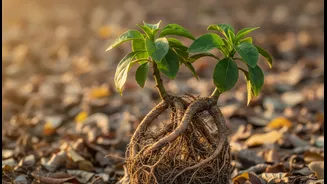
As people age, they often naturally prune their social networks, focusing on the relationships that matter most—a process that researchers link to greater well-being in later life. You don't have to wait to adopt this wisdom. Building a small but mighty circle of three to five close friends is often the optimal number for mental health and warding off loneliness. These are the friendships built on trust, mutual respect, and shared history. They provide a secure base from which to navigate life's challenges. Rather than chasing a higher friend count, think of your social life as a garden. It thrives not by planting as many seeds as possible, but by carefully tending to a few select plants, giving them the attention they need to grow strong and resilient.