




A groundbreaking new report from Oxfam draws a direct and alarming line between the escalating climate crisis and the performance of global investments, arguing that climate risk is no longer a distant threat but a clear and present danger to portfolios.
The Core Finding: A 'Double Dividend' for the Wealthy
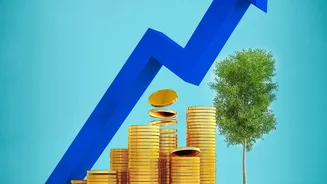
The latest Oxfam report, titled 'Disaster Divide', exposes a troubling dynamic in the global economy. It argues that the world's wealthiest individuals and corporations are not only the primary drivers of climate change through their high-emission investments and lifestyles but are also increasingly profiting from the consequences. This creates what the report calls a 'double dividend'. First, they benefit from investments in polluting industries like fossil fuels. Second, they profit from the booming 'adaptation economy' — a market for disaster preparedness, recovery, and reconstruction services that is projected to grow from $70 billion to $92 billion a year by 2029. This cycle, Oxfam states, widens the gap between the rich and poor, as those least responsible for climate change bear the highest costs.
How Climate Damage Hits Your Wallet
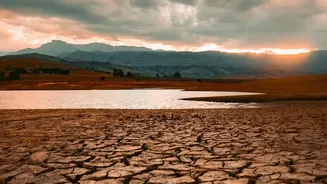
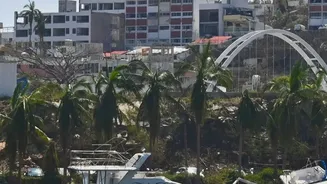
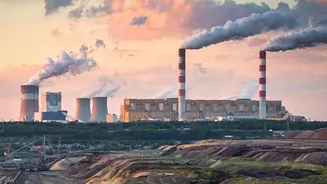
For the average investor, the link between a heatwave or a flood and their mutual fund statement may not seem obvious, but it is direct. Climate change creates two main categories of financial risk: physical and transitional. Physical risks are the most direct, involving damage to company assets, supply chain disruptions, and lost productivity due to extreme weather events like floods, droughts, and storms. A company with factories in a flood-prone region or a supply chain reliant on drought-sensitive agriculture faces tangible losses. Transition risks arise from the global shift to a low-carbon economy. Companies heavily invested in fossil fuels, for example, risk being left with 'stranded assets' — reserves that become unusable as regulations tighten and energy demand shifts to renewables. These risks ultimately translate into lower profits, reduced dividends, and falling share prices.
The Indian Context: A Vulnerable Economy
India is uniquely vulnerable to the economic impacts of climate change. A significant portion of India's GDP is generated by sectors highly dependent on nature, such as agriculture, forestry, and fisheries. Research indicates these impacts could shave a substantial percentage off India's GDP annually if not addressed. Heat stress alone already erodes a portion of the nation's GDP through lost work hours and reduced productivity. Extreme weather events are no longer isolated incidents but structural risks that disrupt infrastructure, urban services, and factory output. For Indian businesses, particularly those integrated into global supply chains, climate performance is becoming a condition for market access and attracting international capital, making inaction a significant competitive disadvantage.
From Risk to Responsibility
The Oxfam report's most stark finding is its calculation of the human cost. It estimates that just one year of emissions from the world's richest 1% will cause 1.9 million excess heat-related deaths over the next century, with a vast majority occurring in low and middle-income countries. These emissions are also projected to cause nearly $53 trillion in economic damage by 2050. In response, the report calls for a fundamental shift. Oxfam urges governments to make polluters pay through measures like wealth taxes and permanent excess profit taxes on fossil fuel companies. For investors, the message is that climate risk can no longer be treated as a sidebar or an ethical concern; it must be embedded into core portfolio strategy as a matter of financial prudence and longterm return protection.