





Your Body's Post-Fast State
After an extended period without food, your body is in a unique state. Your digestive system has slowed down considerably, with reduced production of the enzymes needed to break down food. Simultaneously, your body has been using stored glycogen for energy.
Since every gram of glycogen is stored with several grams of water, using it up leads to a loss of bodily fluids. This means you are not just hungry; you are also dehydrated and your mineral balance has likely shifted. Rushing into a heavy meal can shock this delicate system, leading to bloating, indigestion, and discomfort.
Why Hydration Comes First
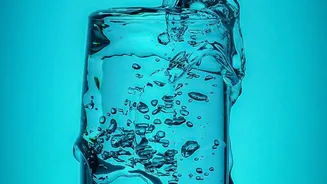
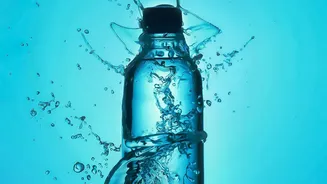
Proper hydration is the bridge between a fasted and a fed state. Reintroducing fluids before food gently awakens the digestive system and prepares it for the task of digestion. Sipping water or other approved liquids helps replenish the fluids lost during the fast, preventing the headaches and fatigue often associated with dehydration. More importantly, it helps mitigate the risk of refeeding syndrome, a potentially serious condition where rapid shifts in fluids and electrolytes occur when nutrition is reintroduced after a period of undernourishment. Proper fluid management is crucial to prevent these dangerous shifts and ensure a smooth transition.
The Importance of Electrolytes
Hydration after a fast is about more than just water; it's about minerals. Electrolytes are essential minerals like sodium, potassium, and magnesium that carry an electric charge and are vital for nerve signalling, muscle function, and maintaining proper fluid balance. During a fast, as insulin levels drop, the kidneys tend to excretemore sodium, and with it, water. This depletion is why many fasters experience symptoms like muscle cramps, dizziness, or fatigue. Replenishing these electrolytes before or alongside your first meal is key. This doesn't require complex supplements; a pinch of natural salt in your water or a cup of bone broth can make a significant difference.
What to Drink Before You Eat
The goal is to choose gentle, nourishing fluids that won't overwhelm your system. Start by sipping slowly rather than gulping. Excellent choices include: - Water: The simplest and most essential option. You can add a pinch of Himalayan or sea salt for electrolytes. - Bone Broth: Often considered a perfect recovery drink, bone broth is soothing and rich in minerals, electrolytes, and collagen that support gut health. - Diluted Fruit or Vegetable Juice: Juices from high-water-content produce like watermelon or cucumber can provide hydration and a small amount of natural sugar for energy. Ensure they are diluted to reduce the sugar load. - Herbal Teas: Non-caffeinated herbal teas like chamomile or mint are gentle on the stomach and contribute to your fluid intake.
Timing Your First Post-Fast Meal
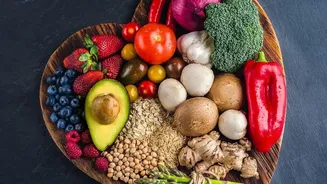
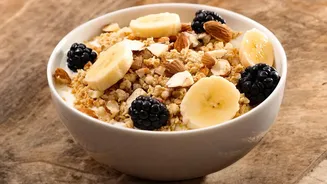
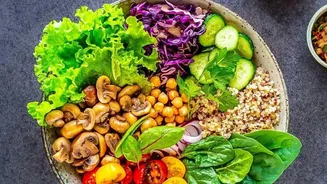
There's no universal rule, but it's wise to give your body some time—perhaps 30 minutes to an hour—after you begin rehydrating before you introduce solid food. This allows your fluid and electrolyte levels to begin stabilising and gives your digestive system a chance to 'wake up'. When you do eat, start small with easily digestible foods. Think smoothies, soups, steamed vegetables, or soft fruits like bananas. The principle is simple: go slow. Breaking a fast is not a race to a full plate. It's a mindful process of renourishing your body with care and attention, ensuring the benefits of your fast extend into long-term well-being.