

The Science of a Better Bite
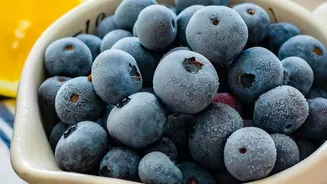
To understand why cooking from frozen often works best, we need to look at what happens when a vegetable is frozen. Vegetables have a high water content, which, upon freezing, turns into ice crystals. These sharp crystals expand and puncture the vegetable's
cell walls. When you thaw the vegetable, that water leaks out, causing the cell structure to collapse. This is why thawed-out raw vegetables often become limp and mushy. Most commercially frozen vegetables are blanched—briefly boiled or steamed—before being flash-frozen. This process deactivates enzymes that would otherwise cause loss of flavor, color, and nutrients. Because they are already partially cooked, going straight from freezer to hot pan or oven is the most direct route to a well-textured final dish. Thawing first just adds an unnecessary step that invites sogginess.
Cook These Directly From Frozen
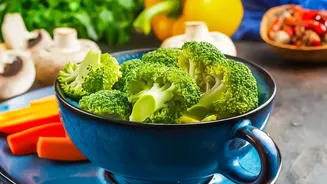
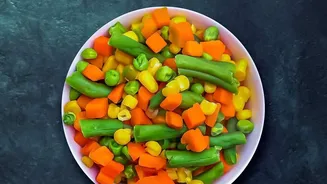
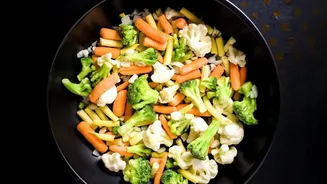
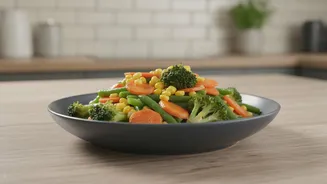
For the vast majority of frozen vegetables, cooking them straight from the freezer is the best method. This rule applies especially well to smaller, individually frozen items that cook quickly. Think of staples like peas, corn, and green beans. These can be tossed directly into simmering soups, stews, curries, or a pot of boiling pasta water during the last few minutes of cooking. Vegetables like broccoli florets, cauliflower, carrots, and Brussels sprouts also hold up remarkably well when cooked from frozen. The key is to use a cooking method that gets rid of excess moisture quickly, rather than letting the vegetables steam in their own water. High-heat methods are your best friend here.
Mastering High-Heat Cooking
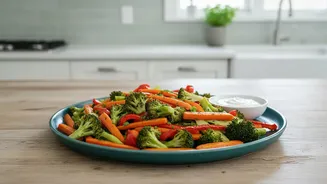
Roasting and sautéing are two of the best ways to achieve a delicious, firm texture with frozen vegetables. When roasting, preheat your oven and baking sheet to a high temperature, around 205°C (400°F). Toss the frozen vegetables with a bit of oil, spread them in a single layer on the hot pan, and make sure not to overcrowd them. Giving them space allows the water to evaporate, leading to browning and caramelization instead of steaming. For sautéing, use a wide pan over medium-high to high heat. Add a little oil or butter, and once it’s hot, add the frozen vegetables directly to the pan. Keep them moving and cook uncovered for about five to seven minutes. The high heat will evaporate the moisture and help preserve the vegetable's bite.
The Leafy Green Exception
The main exception to the no-thaw rule is leafy greens that are frozen in a solid block, like spinach or chard. These almost always need to be thawed before use. Once thawed, it's crucial to squeeze out as much water as possible. You’ll be surprised how much liquid they hold. This step is non-negotiable for recipes like spinach dips, casseroles, or fillings, where excess water would ruin the final texture. If you're adding the spinach block to a brothy soup or a stew, you can sometimes get away with adding it directly from frozen, but be aware it will release a lot of water and may dilute your dish and increase cooking time.
When Thawing Can Help
While cooking from frozen is generally best, there are a few specific situations where a partial or full thaw is beneficial. If you buy a bag of frozen broccoli with very large florets, for example, thawing them slightly can make them easier to cut into uniform, bite-sized pieces for more even cooking. Some sources even find that for sautéing, thawed broccoli can achieve a slightly crispier texture because you can drain off more water before it hits the pan. However, for most everyday uses like roasting or steaming, this extra step isn't necessary. Ultimately, the goal is to prevent the vegetable from sitting in water, so if you do thaw, be sure to pat it very dry before cooking.