



The Science of Salt and Thirst
The primary reason you feel thirsty after eating salty snacks is a biological process called osmoregulation. Salt, or sodium chloride, plays a vital role in your body's functions, including nerve signals and fluid balance. When you consume salt, it's
absorbed into your bloodstream. This increases the concentration of sodium in the fluid surrounding your cells, creating an imbalance. To restore equilibrium, water is pulled out of your cells and into your bloodstream to dilute the excess sodium. This cellular dehydration is the first step in triggering your thirst reflex.
Your Brain's Thirst Centre
Your body has a sophisticated monitoring system. When your cells begin to lose water, they send chemical messengers to your brain. A specific region in your brain called the hypothalamus acts as the body's 'thirst centre'. Sensors in the hypothalamus detect the increased sodium concentration in your blood and send out a powerful signal: you need to drink. This isn't just a suggestion; it's a critical survival mechanism designed to prompt you to take in more fluids, help your kidneys flush out the excess salt, and restore the proper fluid balance in your tissues.
The Question of Digestive Comfort
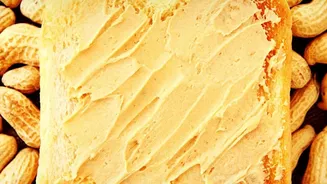
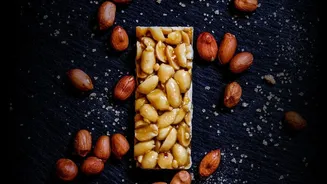
The idea that salty peanuts provide 'digestive comfort' is more nuanced than the thirst response. The comfort may not come from the salt itself. In fact, very high levels of sodium can irritate the stomach lining. Instead, the feeling of comfort is more likely linked to the peanuts. Peanuts are a good source of dietary fiber, which is essential for digestive health. Fiber adds bulk to stool, which can help prevent constipation and promote regular bowel movements. Additionally, the combination of protein, fat, and fiber in peanuts helps you feel full and satisfied, which can contribute to a sense of digestive well-being. So while the salt doesn't directly comfort your stomach, the peanuts themselves have properties that support healthy digestion.
A Gut-Level Reaction
There's also a chemical component to consider. Chloride, which makes up about 60% of table salt, is a necessary building block for producing hydrochloric acid in the stomach. This stomach acid is vital for breaking down food, particularly proteins, and for killing harmful bacteria you might ingest. By providing chloride, salt supports this initial stage of digestion. For some people, this stimulation of digestive juices might be perceived as a 'settling' or comforting sensation, though excessive salt can have the opposite effect and negatively impact beneficial gut bacteria like Lactobacillus.
A Balanced Approach to Snacking
While peanuts offer nutritional benefits like plant-based protein, healthy fats, and fiber, it's important to be mindful of the salt. Health organizations recommend limiting daily sodium intake. A diet consistently high in sodium can be a risk factor for high blood pressure and other health issues. When enjoying salty peanuts, the key is moderation. They can be a satisfying snack that provides steady energy, but it's wise to balance them with plenty of water and consider unsalted varieties as part of your regular routine. This allows you to reap the nutritional benefits of the peanuts without overloading your system with sodium.