





The Coming Food Revolution
The global food industry is on the brink of a massive transformation. For decades, our plates have been dominated by traditional agriculture. Now, a new era of food technology is dawning. Companies are investing heavily in alternative proteins derived
from plants, fungi, and even algae. Lab-grown or 'cultivated' meat, produced from cells without raising and slaughtering animals, is moving from science fiction to reality. This shift is fueled by growing consumer awareness of the environmental footprint of conventional livestock farming and a rising demand for healthier, more sustainable options. Projections show these alternatives could capture a significant portion of the protein market in the coming years, fundamentally altering supply chains, economies, and what we consider 'normal' to eat.
What Exactly Is Baseline Data?
When scientists talk about needing "baseline data," they're referring to a comprehensive snapshot of our current food system before these major changes take hold. This isn't just about cataloging what we eat. It's a multi-layered assessment that includes nutritional information, like our intake of essential micronutrients, proteins, and fats from current diets. It also covers economic indicators, such as how many farmers depend on a particular crop, and public health metrics, like the prevalence of diet-related diseases. A complete baseline assessment captures everything from crop yields and land use to consumer spending habits and the environmental impact of existing food production methods. Think of it as a detailed map of the present, essential for navigating the future.
The High Stakes of Flying Blind
Introducing revolutionary food products without this baseline map is a huge gamble. Researchers warn that while new food technologies promise benefits, they could have unforeseen consequences. For example, if a population shifts from dairy milk to a plant-based alternative that isn't fortified, it could lead to widespread deficiencies in nutrients like calcium or iodine. Similarly, a new meat analogue might be low in saturated fat but also lack essential amino acids or iron found in its traditional counterpart. Without understanding the precise nutritional role that conventional foods play, we can't ensure their replacements are adequate substitutes. The economic risks are just as significant. A rapid shift away from traditional livestock could devastate rural communities whose livelihoods depend on it, but without data, policymakers won't know where to direct support.
A Race Against the Clock
The urgency to collect this data is immense because the food market is not waiting. Global initiatives like the Food Systems Countdown are working to monitor and track changes, but many experts argue the effort needs to be broader and faster. The challenge is that collecting comprehensive data is a slow and expensive process. It requires coordination between governments, academic institutions, and private industry to conduct large-scale dietary surveys, perform nutritional analysis, and model economic impacts. Farmers are already using data-driven tools to make their own operations more efficient, but a system-wide overview is missing. As one researcher put it, "you can't manage what you don't measure." The fear is that by the time we recognize a problem, the original food system will have changed so much that we'll have no reliable 'control' to compare it against.
India's Unique Position
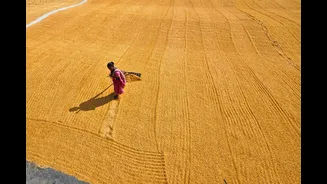
For a nation like India, the stakes are particularly high. The country boasts an incredibly diverse range of dietary patterns, from the wheat-based diets in the north to the rice-based cuisines of the south. It also has a massive agricultural sector that forms the backbone of the rural economy. Introducing novel foods without understanding their potential impact on this complex system could be perilous. Furthermore, India faces a dual burden of malnutrition—with both undernutrition and a rise in diet-related non-communicable diseases. New foods could either help alleviate these problems or inadvertently make them worse. Establishing a detailed nutritional and economic baseline is therefore not just an academic exercise; it's a critical step in ensuring India's food future is both sustainable and healthy for its 1.4 billion people.