






What’s Fuelling the Boom?
This dramatic growth isn't accidental; it's the result of a massive and coordinated strategy to transform Phu Quoc into a world-class tourism hub. A key catalyst is the island’s selection to host the APEC 2027 summit, an event that has supercharged infrastructure
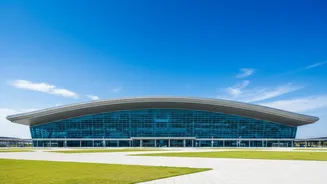
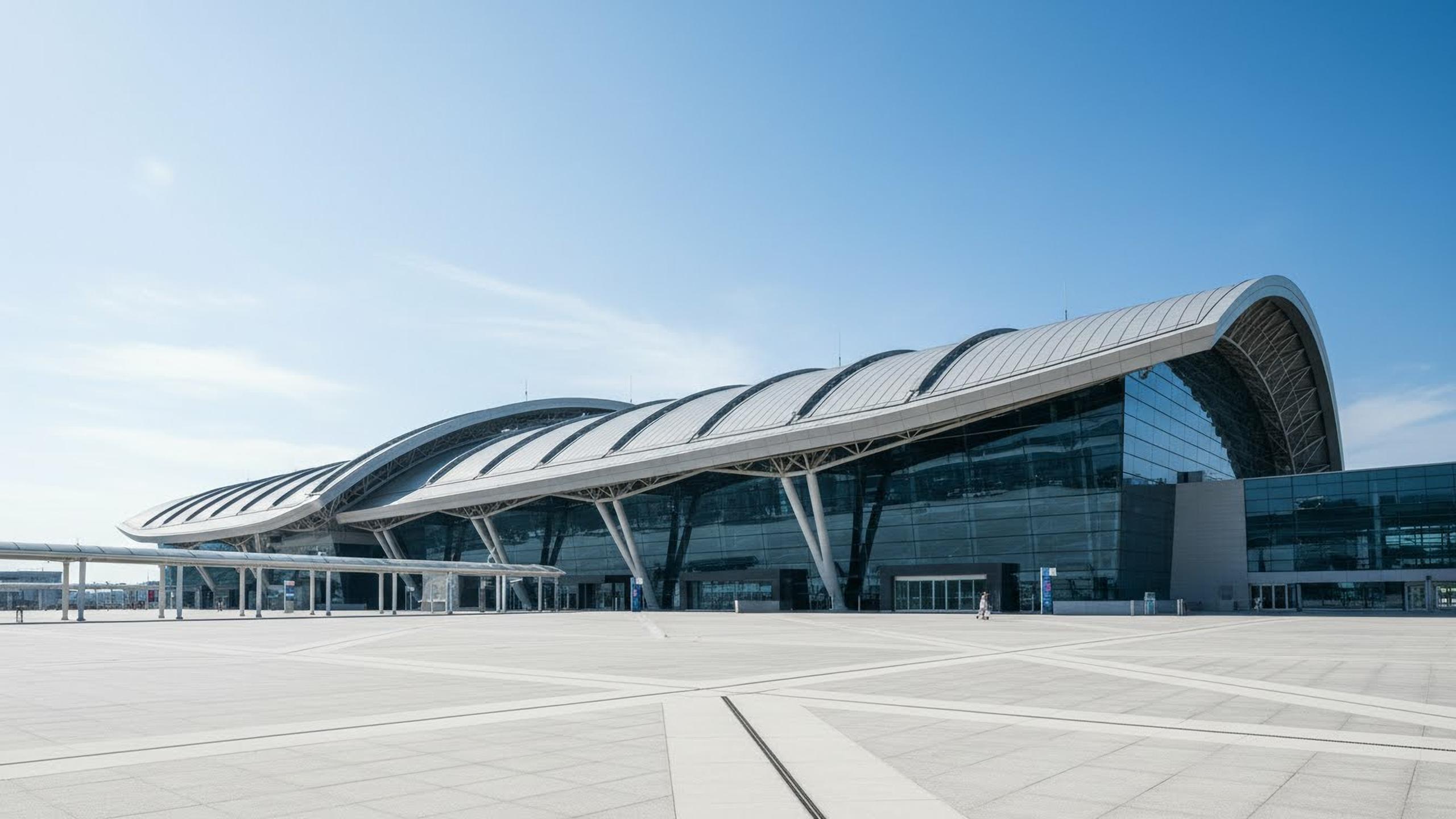
development. The Vietnamese government and private sector are pouring billions into an unprecedented wave of projects. This includes a major expansion of Phu Quoc International Airport to handle millions more passengers, the construction of new arterial roads, and even a new light rail line to connect key areas. According to one senior executive at Hilton, the pace of tourism infrastructure development in Vietnam is something “not seen in any other country, even in the Middle East,” with Phu Quoc being a prime example of this ambition. This foundational investment is creating a destination built for the future of travel.
More Than Just Pristine Beaches
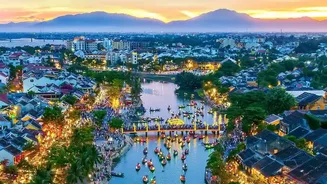
While Phu Quoc’s stunning coastline, with white-sand shores like Sao Beach and Long Beach, remains a primary draw, the island’s appeal now extends far beyond its natural beauty. The recent boom is also powered by the arrival of spectacular man-made attractions. The island is now home to the world's longest sea-crossing three-wire cable car, offering breathtaking views on its journey to Hon Thom island. Sprawling entertainment complexes like Grand World and Sunset Town have emerged, offering visitors vibrant, architecturally stunning hubs filled with restaurants, shops, and dazzling nightly events. Some areas now feature nightly fireworks shows and Guinness World Record-holding water-based performances, turning the island into a destination for round-the-clock entertainment. This blend of serene nature and high-energy attractions is successfully convincing tourists to stay longer and spend more, directly fuelling the revenue surge.
The Golden Ticket for Indian Travellers
Perhaps the most significant factor for globetrotters, especially from India, is Phu Quoc’s incredibly welcoming visa policy. The island offers a 30-day visa exemption for all nationalities, including Indian passport holders, under a few simple conditions. To qualify, you must fly directly to Phu Quoc International Airport from another country (for instance, via a popular layover hub like Bangkok or Singapore) and your stay must be confined to the island. You also need a passport with at least six months of validity and proof of onward travel. This policy removes the usual visa application friction, making a spontaneous tropical getaway easier than ever. While a visa is still required to visit mainland Vietnam, this special exemption makes Phu Quoc one of the most accessible and hassle-free beach destinations in Asia for Indian tourists looking for a premium holiday without the paperwork.
A New Era of Island Travel
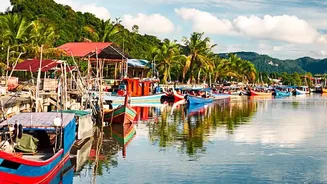
Phu Quoc's transformation from a quiet fishing outpost to a bustling international destination reflects a new era of island travel. The island is successfully attracting a diverse mix of visitors, from domestic travellers to international tourists from South Korea, Europe, and increasingly, India. This rapid development means visitors can now expect a destination of contrasts. It's still possible to find a quiet stretch of sand and a relaxed atmosphere in some parts of the island, but this now sits alongside luxurious resorts, high-end entertainment, and a palpable energy. The island is shedding its reputation for having distinct high and low seasons, with international arrivals showing strong year-round growth. For the modern traveller, Phu Quoc offers the best of both worlds: the chance to unwind in a tropical paradise, combined with the comfort and excitement of world-class amenities and attractions.