



What Was Tested?
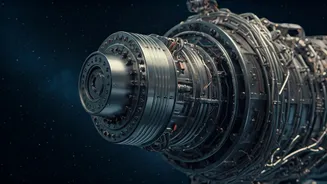
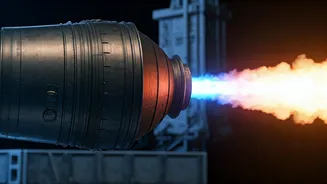
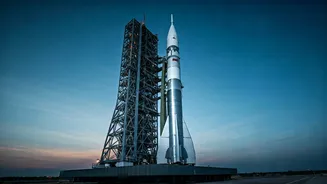
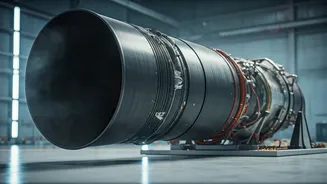
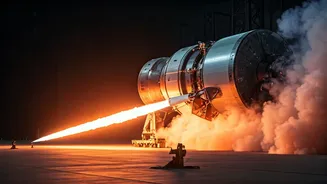
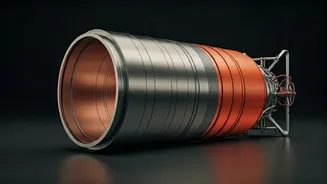
On July 3, 2026, the Indian Space Research Organisation (ISRO) successfully conducted the first ground test of a solid motor designed for a new test rocket. The test took place at the Satish Dhawan Space Centre in Sriharikota. This motor is set to power
a vehicle known as the Sub-Orbital Launch Vehicle for Experiments, or SOLVE. Essentially, engineers ignited the motor while it was fixed to the ground to see if it performed exactly as designed. ISRO confirmed that all its performance parameters were met, marking the test a complete success.
A Key Piece of the Gaganyaan Puzzle
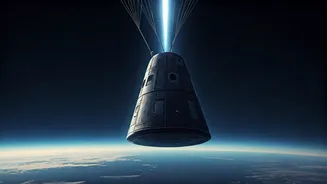
This successful test is directly linked to the ambitious Gaganyaan mission, which aims to send Indian astronauts into orbit. The new SOLVE vehicle is being developed for a very specific and critical purpose: to test the parachute system for the Gaganyaan crew module. In future tests, this rocket will carry a mock crew capsule to an altitude between 10 and 17 kilometres. The capsule will then separate from the rocket, and a complex sequence of 10 parachutes will deploy to slow it down for a safe splashdown in the sea. Validating this parachute system is a non-negotiable step to ensure the crew can return to Earth safely.
Decoding 'Performance Parameters'
When ISRO states that the motor 'met performance parameters', it means the engine behaved precisely as engineers predicted. During a static fire test, hundreds of sensors monitor every aspect of the motor's function. This includes the amount of thrust it produces, the pressure inside the motor casing, and how long and consistently it burns. The solid fuel used in this motor was specially modified from the strap-on boosters of the PSLV rocket to have a slow burn rate, which is necessary for this specific type of test flight. The test also validated a new steering system. By meeting these parameters, the motor has proven its reliability for the crucial parachute test flights to come.
Building on Proven Technology
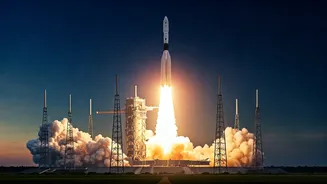
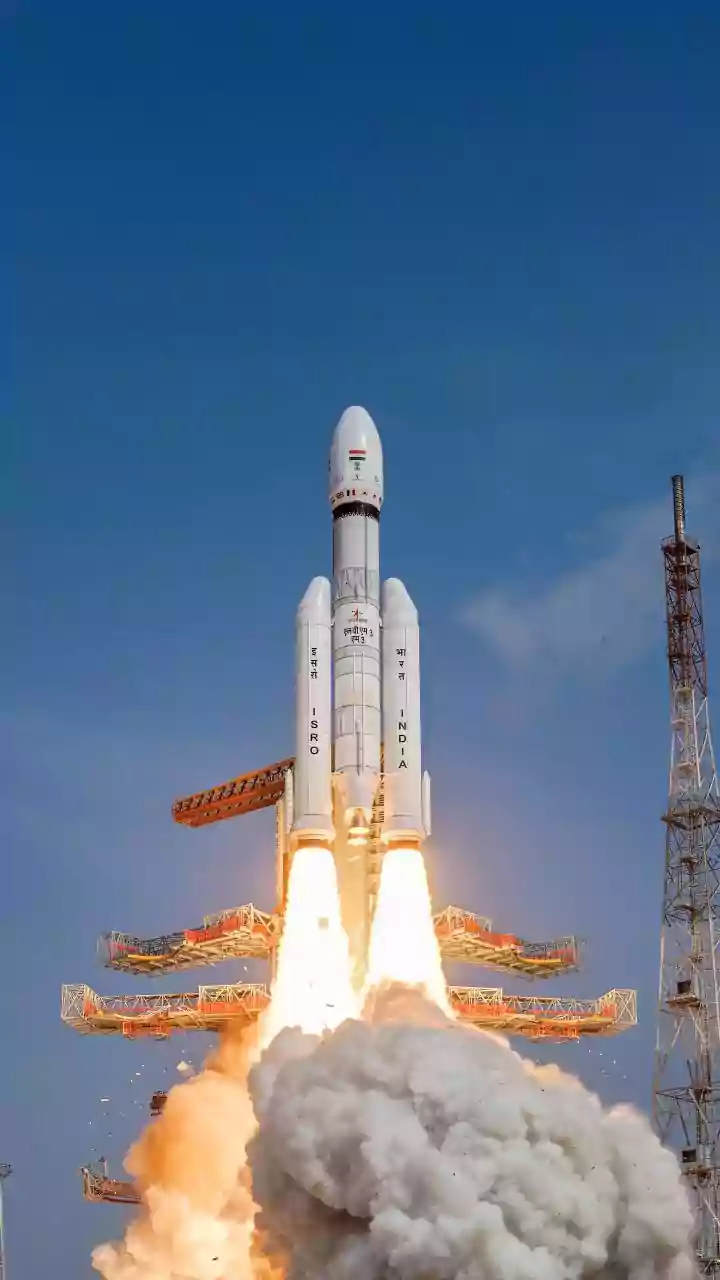
The motor for the SOLVE vehicle is an intelligent adaptation of existing ISRO technology. It is derived from the solid strap-on motors used in the workhorse Polar Satellite Launch Vehicle (PSLV). However, it has been modified to meet the specific requirements of the Gaganyaan program. This approach of modifying proven hardware is a hallmark of efficient and reliable space system development. It's a different but related effort to the massive HS200 solid rocket boosters, which were tested previously and will form the first stage of the powerful LVM3 rocket that will launch the Gaganyaan mission itself. The LVM3 is a heavy-lift rocket, and its systems have been reconfigured and 'human-rated' to achieve the highest levels of safety and reliability for carrying astronauts.
What Comes Next for Gaganyaan?
This successful motor test paves the way for the next phase of integrated testing. The SOLVE vehicle will now be used for a series of sub-orbital flights to repeatedly test the parachute system under various conditions, ensuring it is robust enough for any situation. These missions are part of a larger series of precursor flights ISRO is conducting to prove the safety and reliability of every component before the first crewed launch. This includes unmanned flights of the full Gaganyaan system, one of which will carry the humanoid robot Vyommitra. Each successful test, from the smallest component to the largest booster, brings India one step closer to making history by sending its own astronauts into space.