



In the rich tapestry of Indian sweets, Kheer and Phirni are two pearly-white jewels. They look similar, but these milky desserts are distinct culinary experiences. Let's settle the delicious debate and meet a seasonal star: Sitaphal Phirni.
The All-Rounder: Understanding Kheer
Kheer is perhaps
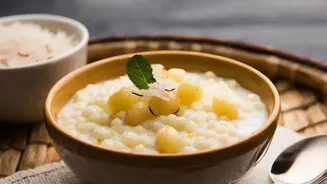
one of India’s most ancient and widespread desserts, with variations found in nearly every region. Known as Payasam in the South, its fundamental recipe involves boiling milk, sugar, and a key ingredient until thickened. Most commonly, this ingredient is whole grains of rice, often an aromatic variety like Basmati. However, the term 'kheer' is versatile, also covering versions made with vermicelli (seviyan), tapioca pearls (sabudana), or even grated carrots. Kheer has a fluid, porridge-like consistency where the individual grains of rice or other elements are distinct. It’s a comforting dessert that can be enjoyed either warm on a cool evening or chilled as a sweet, refreshing treat.
The Refined Cousin: What is Phirni?
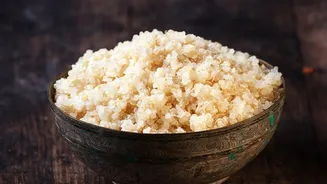
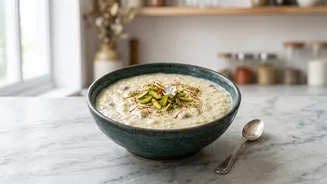
Phirni, with its origins often traced to Mughal or Persian kitchens, is a more refined and delicate pudding. While it shares the core components of milk, sugar, and aromatics like cardamom and saffron, its defining characteristic lies in the rice. Instead of whole grains, Phirni is exclusively made with ground rice, which is soaked, dried, and then broken down into a coarse, grainy powder or paste. This single change in preparation transforms the final dish entirely. The ground rice dissolves more completely into the milk, acting as a thickener that creates a homogenous, smooth, and creamy pudding that sets upon cooling.
The Four Key Differences
So, how do you tell them apart? The distinction boils down to four main points. First is the rice: Kheer uses whole rice grains, while Phirni demands ground rice. Second is the texture: Kheer is more of a flowing liquid with soft grains, whereas Phirni is thick, exceptionally creamy, and sets like a pudding. Third is the cooking time; because the rice is ground, Phirni generally cooks much faster than Kheer. Finally, there's the serving style. Kheer can be served hot or cold in any bowl. Phirni, however, is almost always served chilled. Traditionally, it is set in small, unglazed earthenware bowls called 'shikoras' or 'matkas'. These clay pots absorb excess moisture, making the Phirni even thicker and imparting a unique, earthy aroma.
A Seasonal Star: Enter Sitaphal Phirni
Now that we know what makes a Phirni, understanding Sitaphal Phirni is simple. It's a luscious, seasonal variation that incorporates the pulp of the custard apple, or 'Sitaphal'. This creamy, sweet, and slightly grainy fruit is a perfect match for the texture of Phirni. The process involves preparing a classic Phirni base and then folding in the fresh, de-seeded custard apple pulp after the pudding has cooled down slightly. This addition infuses the dessert with a fragrant, fruity dimension that elevates it from a classic treat to a seasonal delicacy. The natural sweetness of the Sitaphal complements the milky base, creating a dessert that is both rich and refreshingly unique.