



Why Pot Size Is So Important
Choosing a pot for your lemon tree isn't just an aesthetic decision; it's a horticultural one. A pot that is too small will restrict root growth, leading to a root-bound plant that cannot absorb water and nutrients efficiently. This can stunt the tree’s
growth, cause yellowing leaves, and reduce or prevent fruit production. Conversely, a pot that is too large can be just as damaging. The excess soil retains too much moisture for the small root system to absorb, creating a risk of waterlogged soil and root rot, a fatal condition for citrus trees. The goal is to provide enough room for growth without overwhelming the plant.
Starting Your Lemon Plant Right
When you first purchase a young lemon tree, resist the temptation to plant it in its final, large container. A gradual approach is best. For a small starter tree, a pot that is around 10 to 12 inches in diameter is often a perfect beginning. This size is typically referred to as a 3 or 5-gallon pot. The key is to choose a container that is only slightly wider than the pot it came in, providing just enough fresh soil for the roots to expand into over the next couple of years. This strategy helps manage soil moisture effectively and encourages a strong, healthy root system from the start.
Signs It’s Time to Repot
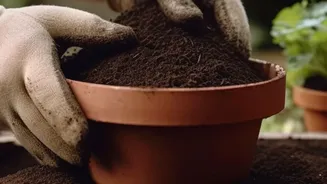
Your lemon tree will give you clear signals when it has outgrown its home. One of the most obvious signs is seeing roots growing out of the drainage holes at the bottom of the pot. Other indicators include slowed growth, leaves that are dropping or turning yellow despite proper watering and feeding, and twig dieback. If the plant seems to dry out very quickly after watering, it may be because the pot is filled with more roots than soil, a classic sign of being root-bound. Generally, a lemon tree will need to be repotted into a larger container every two to four years, especially during its active growth phases. The best time to do this is in the spring, as the tree is preparing for a new growth spurt.
Choosing the Next Size Up
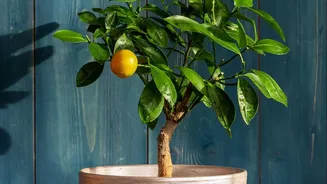
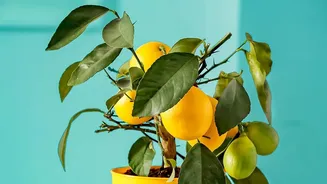
When you've determined it's time to repot, the rule of gradual increases still applies. Select a new container that is about 2 to 4 inches larger in diameter than the current one. For example, if your tree is in a 12-inch pot, move it up to a 14 or 16-inch pot. This incremental step gives the roots new territory to explore without the risk of the soil staying too wet. As the tree matures over many years, you will eventually work your way up to a much larger container. A mature dwarf lemon tree can thrive for years in a pot around 18 to 24 inches wide and just as deep. This size, often a 15 or 20-gallon container, is usually sufficient to support a healthy, fruit-producing tree.
Beyond Size: Material and Drainage
While size is critical, the pot's material and drainage capabilities are equally important. Citrus trees despise 'wet feet' and require excellent drainage to prevent root rot. Ensure your chosen pot has multiple, large drainage holes. If a decorative pot has only one small hole, consider drilling more yourself. Materials like unglazed terra-cotta are excellent because they are porous, allowing air and moisture to move through the sides of the pot, which helps the soil breathe. However, they also dry out faster. Plastic or fiberglass pots are lighter and retain moisture longer but can get hot in direct sun, so it's wise to avoid dark-colored ones.