


Embrace the Half-Batch
The most straightforward strategy is to simply make less food. Most recipes designed for four to six people can be halved or quartered. While it involves some basic maths, the effort pays off. To halve a recipe, just divide every ingredient by two. For
trickier conversions, like one-third of a cup, remember that it's about 5 tablespoons plus 1 teaspoon. However, be mindful that cooking times don't always scale down perfectly. A smaller portion of food in a large pan can cook too quickly or burn. It’s often better to use smaller cookware, like a loaf pan instead of a large baking dish, to maintain the right depth and prevent your meal from drying out. Some ingredients are also hard to divide, like a single egg. In this case, you can beat the egg, use half, and save the rest for scrambled eggs the next morning.
Make Your Freezer a Strategic Partner
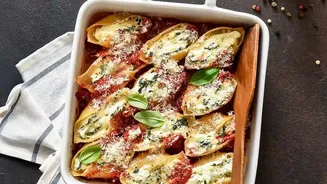
Instead of scaling down, you can embrace cooking a full recipe and freezing the rest in single-serving portions. This is the foundation of 'cook once, eat all week'. Your freezer becomes a library of delicious, ready-to-go meals. Soups, stews, curries, and pasta sauces are perfect candidates. Let the food cool completely before portioning it into freezer-safe containers or bags. Freezing soups or sauces in ice cube trays is a great trick for preserving smaller amounts. For casseroles like lasagna, cut them into individual squares before freezing. This way, you can grab exactly one portion without defrosting the entire dish. Label everything clearly with the contents and the date to avoid mystery meals later.
The Right Tools for the Job
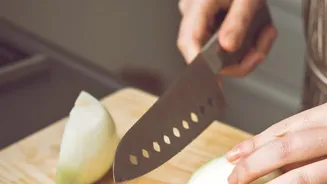
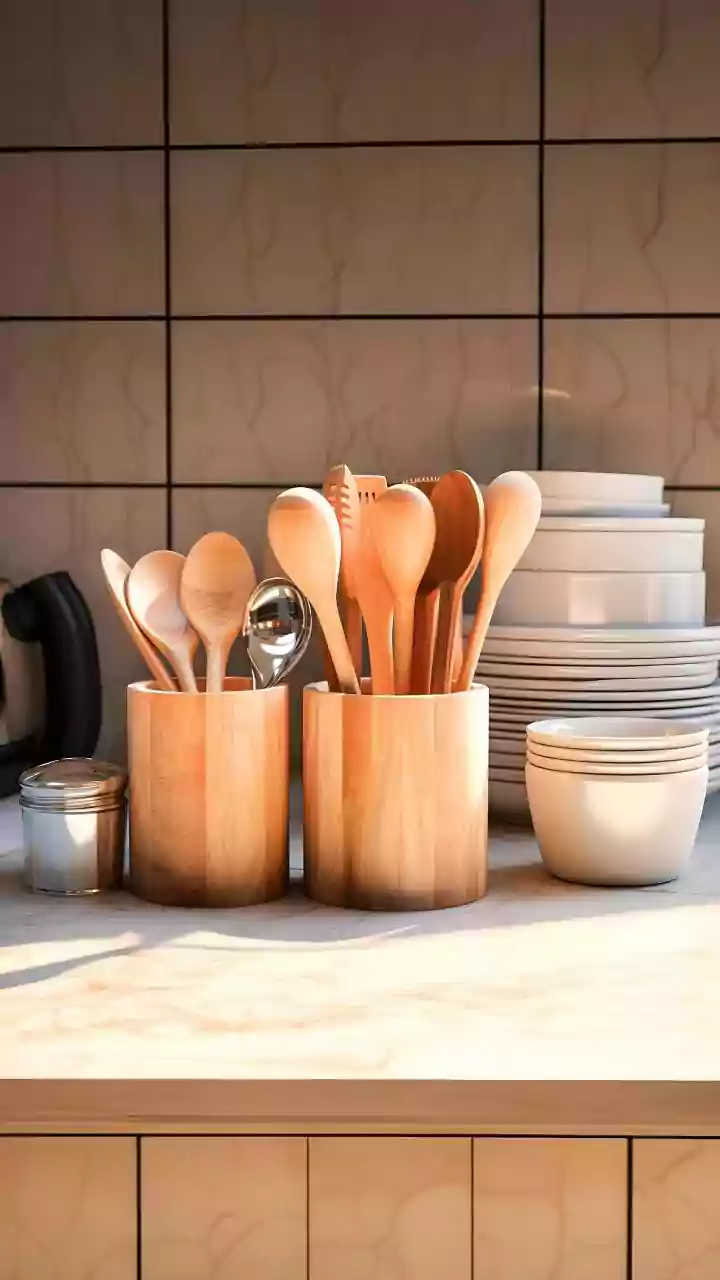
Equipping your kitchen with the right tools makes cooking for one significantly easier. You don’t need a lot, just the right things. A small frying pan (8-10 inches), a small saucepan, and a mini baking dish are great investments that help with portion control. Good quality storage containers are non-negotiable for freezing and storing leftovers. Silicone trays with specific portion sizes (like half-cup or one-cup) are fantastic for freezing soups and stews perfectly. Glass containers are also excellent as many can go from the freezer to the microwave. A high-quality chef's knife, a paring knife, and a sturdy chopping board are the only cutting tools you truly need.
Shop Smarter, Not Harder
Food waste often begins at the grocery store. When cooking for one, avoid buying in bulk unless it's a pantry staple or something you can freeze. Plan your meals for the week before you shop, and create a list based on what you actually need. Try to select recipes that use overlapping ingredients. For instance, if you buy a bunch of coriander, plan a dal, a chutney, and a stir-fry for the week. Instead of pre-packaged produce, buy loose fruits and vegetables so you can get the exact quantity you require. Don’t be shy about visiting the meat or deli counter to ask for a single chicken breast or a specific weight of meat. This reduces both waste and cost.
Build a Repertoire of Single-Serving Staples
While batch cooking is efficient, sometimes you just want a fresh meal without the fuss. It's helpful to have a few go-to recipes that are naturally single-serving. One-pan meals, like roasted salmon with vegetables or a chicken stir-fry, are perfect because they are quick and minimise cleanup. A hearty lentil soup or a Mediterranean chicken bowl with quinoa can be easily assembled for one. Don't forget the power of a simple, well-made salad or a 'kitchen sink' recipe that uses up whatever vegetables you have left in the fridge. Keeping your pantry stocked with staples like canned beans, tomatoes, rice, and pasta ensures you can always whip up a quick and satisfying meal.