





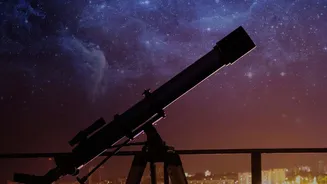
The Dawn of the Astro-Tourist
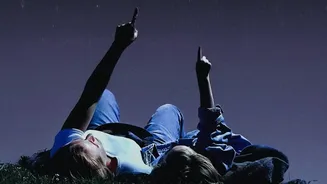
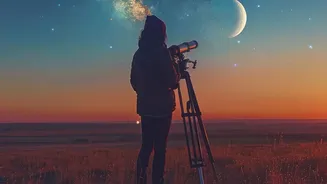
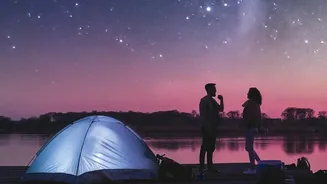
In recent years, a new kind of travel has captured the imagination of Indians: astrotourism. Driven by a desire for experiences beyond the usual, travellers are flocking to destinations with clear, unpolluted night skies. Places like Hanle in Ladakh,
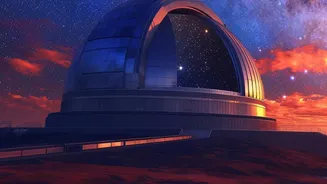
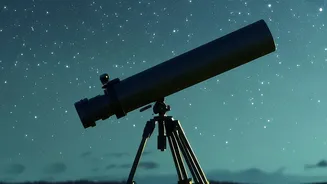
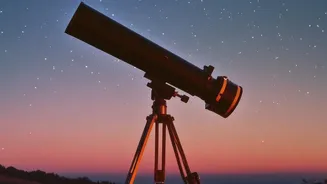
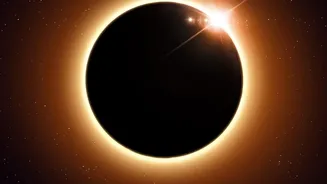
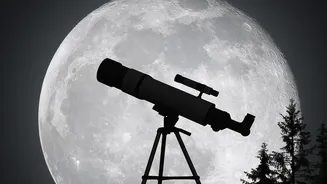
India's first Dark Sky Reserve, Spiti Valley in Himachal Pradesh, and the Rann of Kutch in Gujarat are becoming hotspots for those eager to witness celestial events. This trend isn't just about stargazing; it's a burgeoning industry. Global interest in eclipse-chasing trips is surging, with some reports showing search interest for eclipse tours increasing by over 1,000%. Tour companies now offer curated packages complete with telescopes, astrophotography workshops, and expert guides. This modern approach treats an eclipse as a spectacular, bucket-list-worthy natural phenomenon—a moment of scientific wonder to be sought out, celebrated, and shared.
Ancient Beliefs in Modern Homes
Meanwhile, in countless homes across the country, the arrival of a 'grahan' triggers a completely different set of protocols rooted in ancient beliefs and customs. For many, an eclipse is an inauscitious event. The period, known as 'Sutak Kaal', is a time for caution. The most common customs include fasting—avoiding cooking, eating, and even drinking water until the eclipse is over. Food prepared before the grahan is often protected by placing a leaf of Tulsi (holy basil) in it, believed to shield it from negative energies. Temples close their doors, and pregnant women are advised to stay indoors and avoid using sharp objects as a precaution against supposed harm to the unborn child. These practices are not born from scientific observation but from a mythological worldview, most notably the story of the demon Rahu attempting to swallow the sun or moon.
When Science and Tradition Collide
From a scientific standpoint, these grahan-related fears are unfounded. Astronomers and scientists are clear: eclipses are natural, predictable events. No mysterious, harmful rays are emitted that could poison food or harm a fetus. In fact, a lunar eclipse is perfectly safe to view with the naked eye. Yet, the traditions persist, not necessarily out of blind faith, but as a powerful cultural practice. For many, especially older generations, observing these rituals is a matter of discipline, faith, and continuity. They are seen as a way to respect cosmic rhythms and spiritually cleanse oneself during a period of perceived disruption. The act of fasting, praying, and purifying the home after the eclipse provides a sense of order and renewal.
A Generational Balancing Act
This duality is most apparent within families, where different generations often navigate the eclipse in strikingly different ways. A teenager might be setting up a pinhole projector on the terrace, excited to track the moon's progress across the sun, while their grandparents are in another room, chanting mantras and observing a strict fast. It's a quiet negotiation between scientific curiosity and deep-seated tradition. However, the picture is often more nuanced than a simple divide. Many educated, urban Indians find a middle ground. They might watch the eclipse with protective glasses but still avoid eating during the event as a sign of respect for their elders' beliefs. Or a family might enjoy an 'eclipse-watching' trip but perform a cleansing bath upon their return. This blending of behaviours shows that tradition in India is not always a rigid wall but a flexible framework that adapts to modern life.