


The Humble Superfood's Comeback
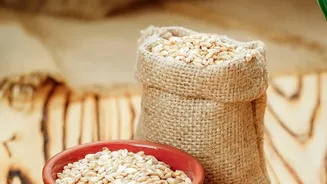
For generations, ragi has been a cornerstone of Indian diets, celebrated for its resilience as a crop and its power to nourish. This humble millet is making a major comeback in modern kitchens, and for good reason. It is a nutritional powerhouse, naturally
gluten-free and packed with essential nutrients. Ragi is one of the best plant-based sources of calcium, crucial for bone health in growing children and adults. It's also rich in iron, which helps combat anaemia, and high in dietary fibre, which aids in digestion and promotes a feeling of fullness, making it a great ally for weight management. Its complex carbohydrates provide a slow and steady release of energy, which is why a 'ragi mudde' has long been the meal of choice for farmers needing sustained strength through the day.
Beyond Porridge and Roti
Traditionally, ragi flour has been used to make wholesome foods like porridge (ragi malt), flatbreads (rotis), and savoury balls (mudde). While these preparations are comforting and nutritious, the unique, earthy flavour of ragi can be an acquired taste for some, especially younger family members. As home cooks become more experimental, they are finding creative ways to incorporate this superfood into daily meals. The versatility of ragi flour means it can be used in everything from dosas and idlis to cakes and cookies, but one of the easiest and most appealing adaptations is the pancake.
Why Pancakes? The Perfect Modern Makeover
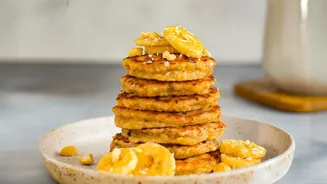
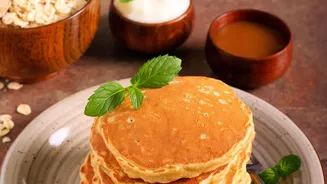
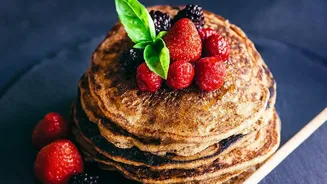
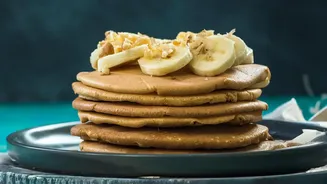
Pancakes offer the perfect canvas for ragi's modern makeover. They are quick to prepare, universally loved by kids and adults, and incredibly adaptable. Transforming ragi into soft, fluffy pancakes makes it instantly more accessible and appealing. This format helps introduce the health benefits of finger millet to fussy eaters in a familiar and enjoyable form. Whether you’re looking for a quick breakfast, a healthy tiffin box idea, or a light evening snack, ragi pancakes fit the bill perfectly. They offer a simple way to boost the nutritional value of a popular comfort food without sacrificing taste or convenience.
Crafting the Perfect Ragi Pancake
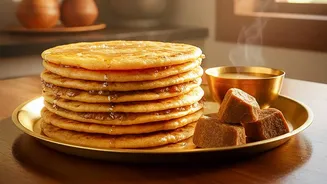
The key to delicious ragi pancakes is balance. Since ragi flour is gluten-free, it can sometimes result in dense or dry pancakes if used alone. Many successful recipes recommend blending ragi flour with whole wheat flour (atta) or a small amount of rice flour to improve texture and create a fluffier result. For a natural sweetness, mashed ripe bananas, date paste, or jaggery powder can be added to the batter, eliminating the need for refined sugar. A pinch of cardamom or cinnamon powder complements ragi’s earthy notes beautifully. Letting the batter rest for 5-10 minutes before cooking can also help in achieving a softer, fluffier texture.
Sweet or Savoury: Endless Possibilities
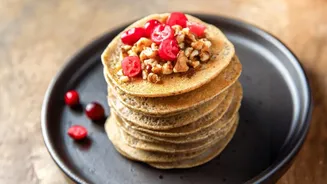
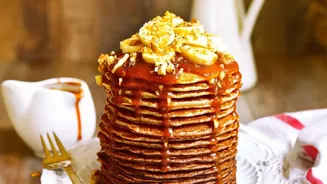
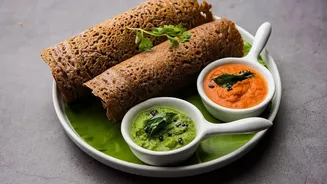
The beauty of ragi pancakes lies in their versatility. For a sweet breakfast or snack, serve them topped with fresh fruits, a drizzle of honey or maple syrup, and a handful of nuts. But don't stop at sweet. Ragi also shines in savoury preparations. You can create a savoury pancake batter by mixing ragi flour with yoghurt, finely chopped onions, green chillies, coriander, and grated carrots. These savoury pancakes, sometimes called ragi adai or dosa, are crispy, flavourful, and pair wonderfully with coconut chutney or a tangy pickle, making for a satisfying and nutritious light meal.