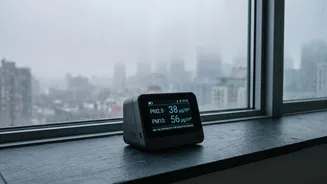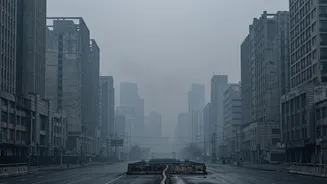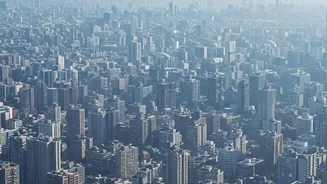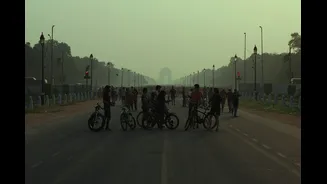




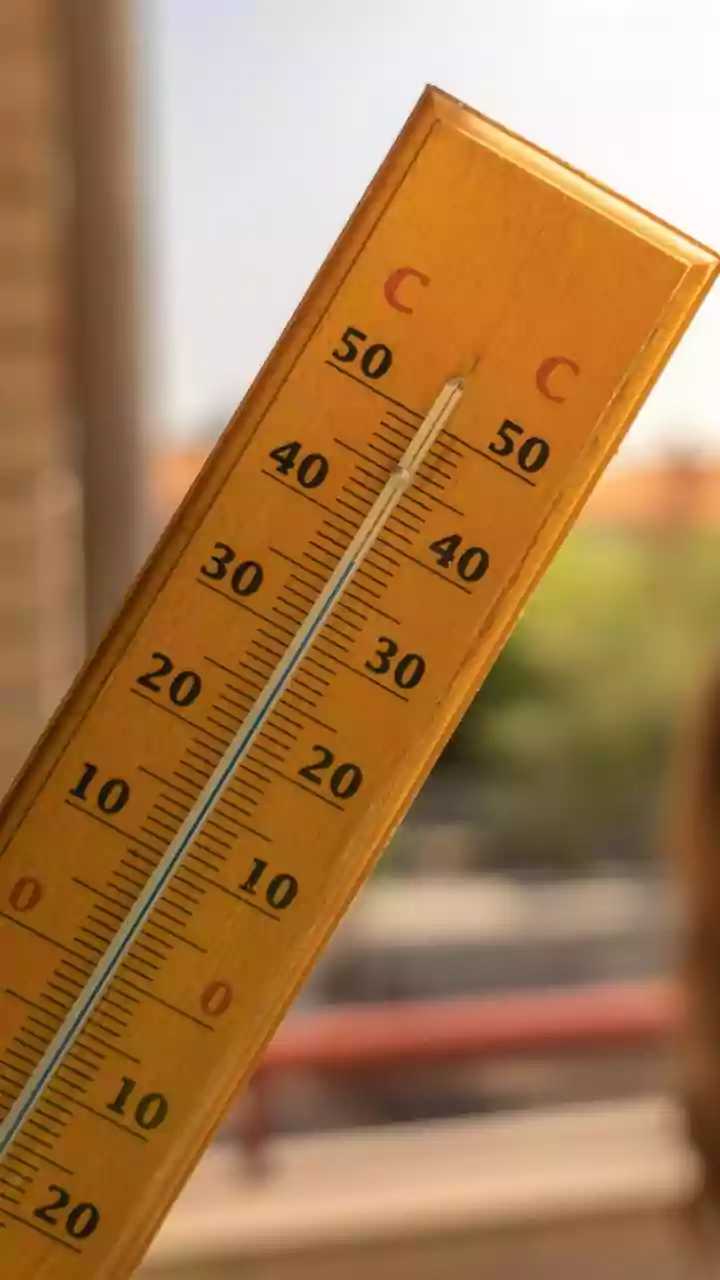

As winter approaches, a familiar grey haze descends upon Delhi. Understanding this annual smog event is easier when you know its two main culprits: PM10 and PM2.5. But what are these particles, and why is one so much more dangerous than the other?
Meet the Particles: What Are PM10 and PM2.5?
Particulate
Matter, or PM, refers to a mix of tiny solid particles and liquid droplets in the air. The numbers, 10 and 2.5, refer to their size in micrometres. PM10 particles are 10 micrometres or smaller in diameter. To put that in perspective, a single human hair is about 70-100 micrometres wide, so you could fit several PM10 particles across its width. PM2.5 particles are even smaller, with a diameter of 2.5 micrometres or less. This means they are a subset of PM10; all PM2.5 particles are also PM10, but not all PM10 particles are PM2.5. This size difference is the critical factor that determines their sources and, most importantly, how they harm our health.
PM10: The Coarse Dust You Can See
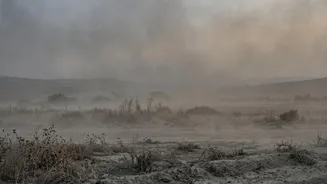
PM10 particles are often described as 'coarse' inhalable particles. They are large enough to be visible as dust and smoke. Their primary sources are mechanical processes. Think of dust kicked up from construction sites, wear and tear from vehicle tyres and brakes, and dust from roads and soil. During Delhi's pollution season, which typically runs from October to February, sources like road dust are a significant contributor. Because of their larger size, your body's natural defences are pretty good at trapping PM10 particles in the nose, throat, and upper airways, which can cause irritation, coughing, and worsen conditions like asthma. However, they don't typically travel deeper into the body.
PM2.5: The Invisible, Deadly Threat
PM2.5 particles are the real villains of the air pollution story. These 'fine' particles are so small they are invisible to the naked eye and can only be seen with an electron microscope. Their tiny size is what makes them exceptionally dangerous. The main sources of PM2.5 are combustion processes. In the context of Delhi's winter, this means smoke from stubble burning in neighbouring states like Punjab and Haryana, emissions from vehicle exhausts, and output from industries and power plants. These fine particles can bypass the body’s defences and travel deep into the lungs, lodging in the sensitive air sacs (alveoli) and even entering the bloodstream.
A Perfect Storm: Why Winter is So Bad
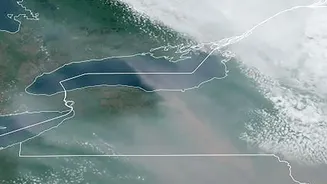
Delhi's winter pollution is a crisis created by a combination of increased emissions and weather. From late October, farmers in nearby states burn crop residue (stubble) to prepare their fields, sending massive plumes of PM2.5-rich smoke towards the capital. This coincides with local pollution from vehicles, industry, and Diwali fireworks. At the same time, falling winter temperatures cause a phenomenon called 'temperature inversion', where a layer of cold air gets trapped under a layer of warmer air, acting like a lid over the city. This prevents pollutants from dispersing, concentrating them at ground level where people breathe.
The Health Toll: Coarse Irritation vs. Systemic Damage
The health effects of the two particle types differ significantly. PM10 exposure is linked to respiratory irritation, coughing, and aggravation of asthma. It primarily affects the upper respiratory system. PM2.5, however, is associated with much more severe outcomes. Because these particles can enter the bloodstream, long-term exposure is linked to an increased risk of heart attacks, strokes, lung cancer, and chronic respiratory diseases. Studies have shown that PM2.5 is responsible for a greater proportion of adverse health effects related to air pollution. They can cause inflammation and systemic damage that goes far beyond the lungs, affecting nearly every organ in the body.