


The Irresistible Pull of Fried Comfort
When the skies turn grey and the temperature dips, the collective craving for fried food is almost a reflex. A plate of hot pakoras, bhajiyas, or samosas, accompanied by a steaming cup of ginger-infused chai, is the quintessential monsoon experience.
There’s a science to this desire. The cooler, damp weather makes our bodies seek warm, energy-dense foods. Fried snacks, rich in calories and served hot, offer an immediate sense of comfort and warmth against the chill. Furthermore, the lack of sunlight during overcast days can lead to a dip in mood-regulating serotonin, prompting our brains to seek the quick dopamine hit that fatty and salty foods provide. But beyond the science, it's a cultural connection. The sound of sizzling oil and the aroma of gram flour and spices have become deeply linked with the sound of rainfall, creating a powerful, nostalgic association passed down through generations.
Bhutta: A Roadside Ritual
No discussion of monsoon food is complete without mentioning bhutta, or roasted corn on the cob. As the rains arrive, street corners come alive with vendors fanning embers, the smoky aroma mingling with the smell of wet earth. Watching a vendor roast the corn over hot coals, rub it with a mix of salt, chilli, and a slice of lime, is a ritual in itself. This isn't just a snack; it's an experience. Unlike many other street foods, bhutta is generally considered a healthier option as it's roasted, not fried. It is enjoyed hot, straight from the fire, which reduces the risk of contamination common during the humid season. This simple, seasonal crop, transformed by fire and a few spices, captures the essence of monsoon's simple pleasures.
The Warm Embrace of Khichdi
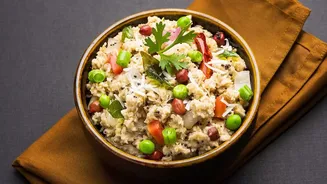
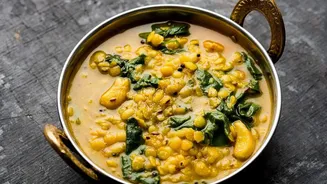
While fried snacks dominate the conversation, the true hero of a relentless rainy day is often the humble khichdi. A simple, one-pot meal of rice and lentils, it is the ultimate comfort food when the weather turns gloomy. Ayurvedic tradition suggests that digestion can become sluggish during the monsoon, making light, warm, and easily digestible meals ideal. Khichdi, often seasoned with turmeric and ginger and served with a dollop of ghee, fits this description perfectly. It’s a dish that feels like a warm hug from the inside, providing nourishment without feeling heavy. Paired with yogurt, pickle, or a simple papad, it represents a different kind of monsoon memory—one of home, wellness, and quiet contentment away from the storm.
Beyond the Classics: A Taste of Regional India
While chai and pakoras are a pan-Indian affair, the monsoon menu varies widely across the country, showcasing an incredible diversity of regional specialties. In West Bengal, rainy days are often celebrated with Khichuri, a richer version of khichdi, served with an array of fried accompaniments like Beguni (eggplant fritters). In Maharashtra, kitchens prepare pithla bhakri, a rustic chickpea flour curry, and steamed delights called patolya. Further south, Kerala enjoys crispy parippu vada (lentil fritters), while Tamil Nadu turns to spicy milagu rasam (pepper soup) to ward off the damp chill. Even sweets have their place, with treats like ghewar in Rajasthan and malpua in Punjab marking the season. These dishes prove that while the craving is universal, the expression is beautifully local, always relying on seasonal produce and traditional wisdom.