






The 2027 Target in Sight
The government has set a clear and ambitious timeline for the nation's first bullet train. According to Union Railway Minister Ashwini Vaishnaw, trial runs are expected to commence between May and June 2027. Following a testing period of two to four months
to ensure all systems are safe and reliable, the first commercial services could be inaugurated. This marks a significant step for the 508-km corridor, which first began construction after its foundation stone was laid in 2017. While the first services are expected in 2027, the entire line, particularly the more complex sections in Maharashtra, may see a phased opening, with final completion of the whole corridor expected around 2029.
Concrete Progress on the Ground
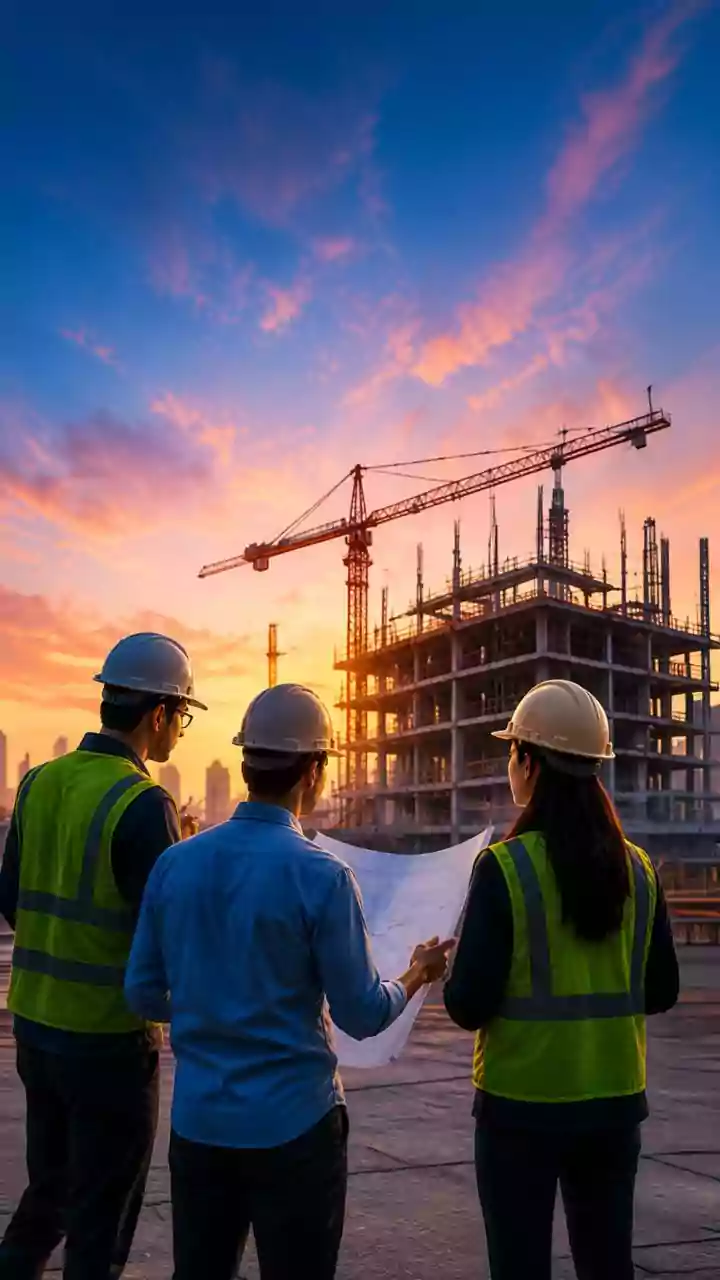
The project, managed by the National High Speed Rail Corporation Limited (NHSRCL), is no longer just a blueprint. As of mid-2026, the overall physical progress has crossed the 62% mark. The construction is most advanced in Gujarat, where significant stretches of the elevated viaduct are now visible. By August 2026, pier work was completed over 453 km and viaducts—the elevated bridge-like structures the train will run on—were in place for over 359 km of the route. Additionally, over 200 km of track has been prepared with the installation of overhead electric masts, which will power the trains. The progress is tangible, with work on several stations in Gujarat nearing completion and track-laying activities underway in Surat and Bilimora.
Engineering Marvels and Hurdles
Building India's first high-speed rail line involves overcoming immense engineering challenges. The project includes 17 river bridges and 15 steel bridges, all of which have been completed. One of the most talked-about features is the 21-km undersea tunnel in Maharashtra, a first for the Indian Railways, which requires specialised tunnel boring machines. However, the project has not been without its difficulties. Initial delays were caused by the COVID-19 pandemic and significant challenges in land acquisition, especially in Maharashtra, which slowed down the early phases of construction. Even recently, legal challenges over land compensation values have been a point of contention, with warnings that escalating costs could impact the project's budget. The final estimated cost is expected to be around ₹2 lakh crore.
Japanese Technology, Indian Execution
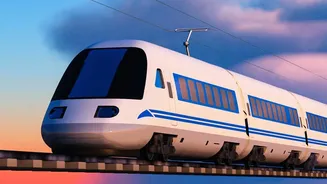
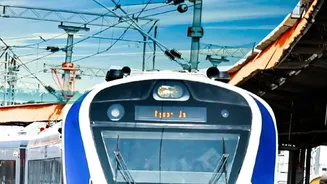
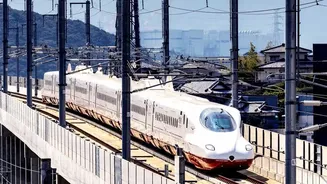
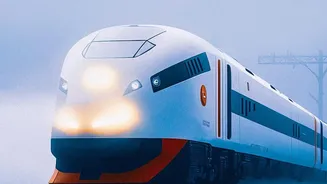
The corridor is being built using Japan's renowned Shinkansen technology, famous for its impeccable safety record and punctuality. The Japan International Cooperation Agency (JICA) has been a key partner, providing a significant portion of the funding through a soft loan. The partnership extends to technology transfer and training for 4,000 Indian personnel, fostering a skilled workforce for future high-speed projects. Interestingly, while the long-term plan involves using next-generation Japanese Shinkansen trainsets, the initial operations in 2027 are expected to use indigenously manufactured high-speed trains. The first frame of a 'Made in India' bullet train has already been built and sent for structural testing, showcasing the 'Atmanirbhar Bharat' vision at the core of the project's execution.
Transforming Travel and Economy
Once fully operational, the bullet train will be a game-changer. It will slash the travel time between Mumbai and Ahmedabad from around six or seven hours to just over two hours for services with limited stops. The impact, however, goes far beyond speed. Proponents argue the corridor will spark economic development in the towns and cities along its route, such as Surat, Vadodara, and Vapi, which may not have direct air connectivity. It is expected to create jobs, boost local manufacturing, and serve as a technological showcase for India. The project represents more than just a new train line; it is a foundational step in modernising India's transport infrastructure for the 21st century.