




The Search for a Dengue Solution
Dengue fever, a viral infection transmitted by Aedes mosquitoes, is a major public health concern in India. While most cases are manageable, a significant symptom that causes alarm is thrombocytopenia, or a sharp drop in platelet count. Platelets are tiny
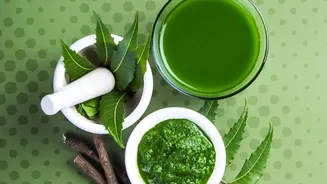
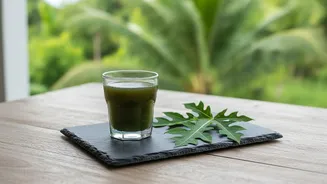
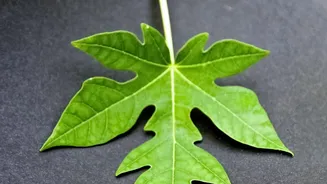
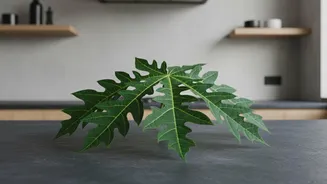
blood cells crucial for clotting, and a severe drop can increase the risk of bleeding. With no specific antiviral drug available for dengue, treatment primarily involves supportive care like managing fever and ensuring hydration. This has led many to explore traditional remedies, and none is more prominent than the juice or extract of Carica papaya leaves, believed to help restore platelet levels.
The Platelet Count Theory
The primary claim for papaya leaf extract is its ability to increase platelet counts in dengue patients. Scientific interest has focused on how it might achieve this. Research suggests that compounds in papaya leaves, such as flavonoids and alkaloids like carpaine, may have several effects. One key mechanism is believed to be the stimulation of genes responsible for platelet production, including the ALOX 12 and PTAFR genes. Additionally, some studies propose that the extract helps stabilise red blood cell membranes, preventing the haemolysis (destruction of red blood cells) that can occur during a dengue infection. These bioactive compounds are also thought to have immunomodulatory effects, meaning they may help regulate the body's immune response to the virus.
What the Evidence Shows
Multiple studies have investigated the link between papaya leaf extract and platelet counts, with many showing promising results. Several clinical trials and meta-analyses have concluded that patients who received the extract alongside standard care saw a significantly faster increase in their platelet counts compared to those who only received placebo or standard care. Some studies also reported that patients taking the extract had shorter hospital stays. A pilot study in India focusing on patients with severe thrombocytopenia (platelet counts below 30,000/μl) found that the group treated with the extract had a significantly higher percentage increase in platelets by the third day. Even India's AYUSH ministry has issued guidelines recommending a specific dosage of the extract as a supportive measure.
Lingering Uncertainties and Cautions
Despite the positive findings, the scientific community remains cautious. Many of the initial studies were small, and some systematic reviews have pointed out that the quality of evidence can be low, with a need for larger, more robust randomized controlled trials. There is no standardized dosage, preparation method (juice, tablet, capsule), or specific variety of papaya, which makes comparing results across studies difficult. Experts stress a critical point: papaya leaf extract is not a cure for dengue. It does not kill the virus itself. The body typically replenishes platelets on its own as the infection resolves. Relying solely on the extract and delaying medical consultation can be dangerous, as dengue can progress to severe forms that require immediate hospital care, such as managing plasma leakage or severe bleeding.
Safety and the Final Verdict
For most people, consuming papaya leaf extract for a short duration is considered generally safe, with few adverse effects reported in studies. The most common complaint is its intensely bitter taste. However, it should not be used in pregnant women due to a potential risk of miscarriage. The bottom line from healthcare professionals is clear: papaya leaf extract should only be considered a supportive therapy, to be used in addition to—and never as a replacement for—conventional medical treatment. Anyone with dengue symptoms like high fever, severe headache, and body pain must consult a doctor immediately for proper diagnosis and monitoring. While the extract may help in platelet recovery, managing hydration, nutrition, and rest, and watching for warning signs under a doctor's guidance, remain the cornerstones of safe dengue management.