


Karnataka's Khara Bath
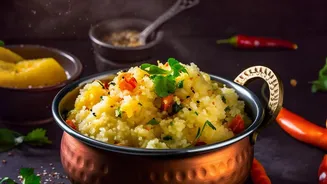
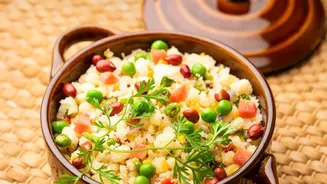
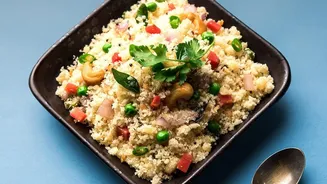
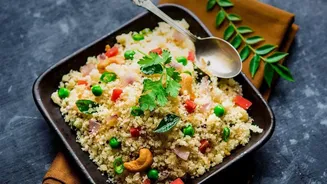
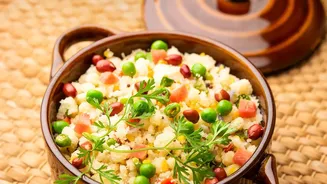
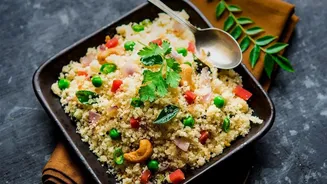
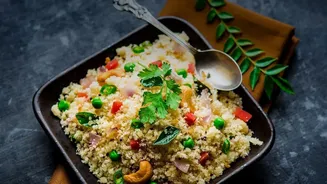
In Karnataka, upma is often known as Khara Bath, and it is a far cry from a plain, simple breakfast. This version is celebrated for its soft texture, savoury depth, and generous inclusion of vegetables like carrots, beans, and peas. What truly sets it apart
is the use of a specific spice blend, often vangi bath powder or a similar homemade masala, which infuses the dish with a unique aromatic flavour that is distinct from a standard upma. It’s typically richer, made with more ghee, and has a pudding-like consistency. Served hot, often alongside a sweet counterpart called Kesari Bath in a combination known as 'Chow Chow Bath', Khara Bath is a fragrant and filling meal that beautifully represents the state’s culinary style.
Tamil Nadu's Classic Rava Upma
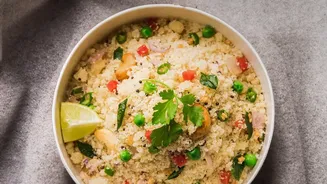
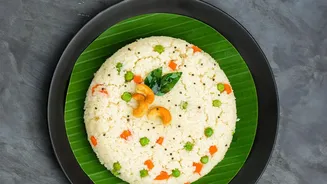
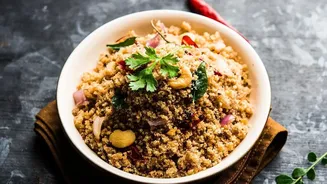
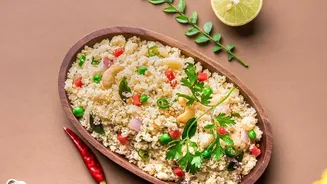
The quintessential Tamil Nadu-style Rava Upma is a masterclass in simplicity and texture. The goal here is a fluffy, non-sticky dish where each grain of roasted semolina remains distinct. The preparation starts with a classic South Indian tempering of mustard seeds, urad dal, chana dal, curry leaves, and green chillies in oil or ghee. While some versions include finely chopped onions and a stray vegetable, many households pride themselves on a minimalist version that lets the flavour of the roasted rava and the tempering shine. A final squeeze of lemon juice and a garnish of fried cashews are common finishing touches that add brightness and a delightful crunch. It’s often served with coconut chutney or sambar, making it a versatile tiffin favourite.
Maharashtra's Tangy Sanja
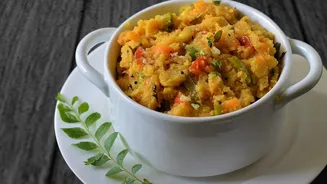
In Maharashtra, the local version of upma is called Sanja. While it shares its base ingredient, semolina (rava), with its southern counterparts, Sanja has a distinct flavour profile, often incorporating buttermilk or curd into the cooking liquid. This addition lends a subtle tanginess that balances the dish's savoury notes. The preparation typically involves a tempering with mustard seeds, cumin, green chillies, and sometimes peanuts for crunch. Turmeric is also a key ingredient, giving Sanja its characteristic light yellow colour. Onions are sautéed until translucent, and the final dish is often garnished with fresh coriander and grated coconut, resulting in a softer, slightly moist, and flavourful meal that is a beloved breakfast across the state.
Andhra's Pesarattu Upma
Perhaps the most inventive variation on this list, Andhra Pradesh offers the magnificent Pesarattu Upma. This isn't just a different way of cooking upma; it's an entirely new dish where upma plays a starring role. Here, a simple rava upma, often cooked to be soft and flavourful, is used as a filling inside a 'pesarattu' — a crispy crepe or dosa made from green moong dal batter. The combination is a textural delight: the crispiness of the dal-based shell contrasts perfectly with the soft, savoury upma tucked inside. It’s a protein-packed, nutritious, and incredibly popular breakfast or tiffin item unique to the region, often served with a side of spicy ginger chutney.
Kerala's Coconut-Infused Upma
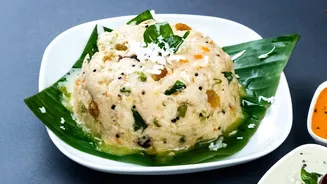
Given Kerala’s love for coconut, it’s no surprise that the state’s version of upma prominently features this ingredient. In a typical Kerala-style upma, grated coconut is often added directly into the dish during the cooking process or used generously as a garnish at the end. This imparts a subtle sweetness and a rich, moist texture that distinguishes it from other variations. The cooking medium is frequently coconut oil, which adds another layer of distinct, regional flavour. Like its neighbours, the dish starts with a fragrant tempering of mustard seeds and lentils, but the inclusion of coconut elevates it, making it a uniquely comforting and aromatic breakfast staple along the Malabar Coast.