








What Exactly is the Digital Tourism Stack?
Think of the National Digital Tourism Stack (NDTS) less as a new government website or app, and more like a digital backbone for the entire tourism industry. Launched on World Tourism Day 2026, it is an open, shared digital infrastructure developed by
the Ministry of Tourism in collaboration with the Open Network for Digital Commerce (ONDC). The goal isn't to compete with existing travel companies, but to allow them all—from large online travel agencies to small, local homestay owners—to connect and share information on a common network. This creates a system where everyone can talk to each other digitally.
Solving the Problem of a Fragmented Market
Anyone who has planned a multi-stop trip across India knows the challenge. You book a flight on one platform, a hotel on another, a cab through a third app, and find a local guide through a fourth. This process is often clunky and makes it difficult for travellers to feel confident in their choices, especially when dealing with lesser-known vendors. For small businesses like rural homestays, local artisans, or independent guides, getting noticed on major platforms is a huge hurdle. The NDTS aims to break down these silos, creating a more level playing field where even the smallest verified operator can be discovered by a wide audience.
List Once, Reach Everyone
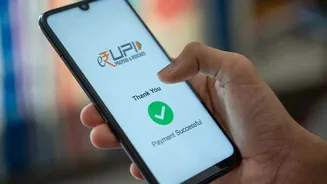
The core principle of the stack is a "list once, reach multiple platforms" model. A homestay owner in a remote village can list their property on the network, and that listing will then be discoverable across all participating apps and websites that are connected to the NDTS. This is similar to how the Unified Payments Interface (UPI) works; you can use any bank's app to send money to someone using a completely different app. The NDTS applies this open-network philosophy to tourism. This interconnectivity is the key to seamlessly linking travel discovery with booking. A tourist might use an AI-powered travel planner to discover a unique cultural experience, and then book it directly through their preferred booking app, all powered by the same underlying infrastructure.
Building Trust and a Seamless Experience
A major focus of the NDTS is to make the entire ecosystem more trustworthy and reliable. The platform includes features for verified identities, supplier credentials, secure digital payments, customer ratings, and a structured grievance redressal mechanism. This means travellers can book with greater confidence, knowing that the providers are authenticated. The ultimate vision, as described by the Tourism Secretary, is a "One ticket, One pass" system where a traveller could theoretically book an entire journey—from flights and hotels to museum tickets and even a local temple 'aarti'—through a single, connected process.
Empowering Small Businesses and New Destinations
Beyond making travel easier for tourists, a primary goal is to spread the economic benefits of tourism more widely. By increasing the digital visibility of small-scale operators, the NDTS aims to support local entrepreneurs, women, and youth in the tourism sector. This initiative also works in tandem with the 'Dekho Apna Desh 2.0' campaign, which encourages tourists to explore alternative and lesser-known destinations. By making these hidden gems more discoverable and bookable, the government hopes to reduce the strain on overcrowded tourist hotspots and promote more balanced and sustainable growth across the country.
The Road Ahead
The project is being rolled out in phases. While over 1,000 tourism experiences are already transacting on the ONDC network, the broader goal is ambitious. The government aims to bring 23,000 tourism experiences and homestays onto this shared digital infrastructure by the end of 2028. A pilot for the NDTS is scheduled for January 2027, with gradual onboarding of states, union territories, and industry partners. The success of this digital public infrastructure will depend on widespread adoption and ensuring the system remains reliable and secure for both travellers and service providers.