



Understanding the Seasonal Flood Risk
The threat of flooding in Varanasi isn't a year-round issue; it's a seasonal event tied directly to the Indian monsoon. The rainy season typically runs from July through September, and this is when the Ganga is at its most powerful. As snowmelt from the Himalayas
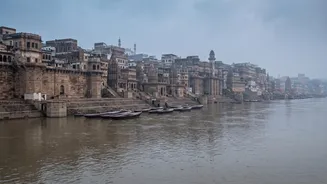
combines with heavy regional rainfall, the river's water level can rise dramatically. In late August and early September, it's common for the river to cross the official "warning level" and even approach the "danger level." Recent reports from early September 2026 confirm the Ganga has once again crossed the warning mark, prompting authorities to take immediate precautions. This seasonal swelling is a natural cycle, but it has very specific consequences for anyone visiting the city's iconic riverfront.
What's Actually Affected? Ghats and Boats
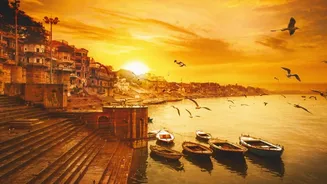
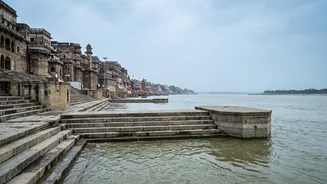
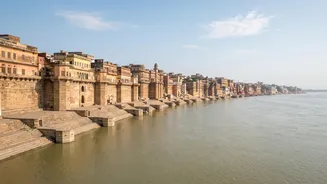
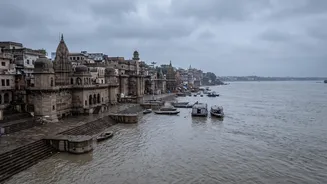
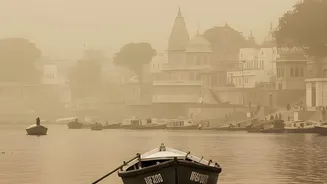
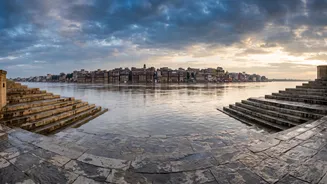
When the Ganga floods, the primary impact is felt along the ghats—the long series of stone steps leading down to the water. As the river rises, the lower steps become completely submerged, making a continuous walk along the riverfront impossible. The normally expansive ghats shrink, and the wet stone becomes extremely slippery and hazardous. The most significant impact for tourists is the immediate and total suspension of all boat operations. Those iconic sunrise and sunset boat tours are canceled for safety reasons due to the strong currents. Local authorities, including police and the National Disaster Response Force (NDRF), patrol the area to prevent anyone from entering the dangerous waters.
Are Major Ceremonies Canceled?
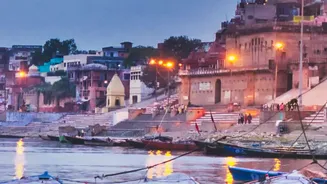
Surprisingly, no. Varanasi's most famous rituals are remarkably resilient. The spectacular evening Ganga Aarti at Dashashwamedh Ghat, for example, is never canceled. When the main platform becomes flooded, organizers simply move the entire ceremony to higher ground, often a nearby rooftop or an upper level of the ghat. Similarly, cremations at the sacred Manikarnika and Harishchandra ghats continue around the clock. If the lower platforms are underwater, the rites are performed on upper terraces or the rooftops of adjacent buildings. While the logistics change, the spiritual life of the city adapts and carries on.
So, Should You Cancel or Postpone Your Trip?
The answer depends entirely on your priorities. If your vision of Varanasi is centered on a peaceful dawn boat ride and long walks along the ghats, visiting during peak monsoon (late July to mid-September) may lead to disappointment. However, if you are an experienced traveler looking for a different perspective, the monsoon can be a magical time. The city is less crowded, hotels are often cheaper, and the rain-washed temples and lush surroundings offer a unique beauty. The key is flexibility. You can still explore the old city's narrow lanes (though be prepared for some waterlogging), visit major temples like Kashi Vishwanath, and take a day trip to the Buddhist site of Sarnath. The experience shifts from the river to the city itself.
Practical Advice for a Monsoon Visit
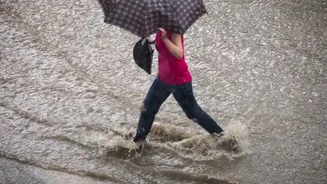
If you decide to travel to Varanasi during the flood-risk season, a little preparation goes a long way. First, check the latest water level reports from India's Central Water Commission (CWC) before you go. Pack quick-drying clothes and waterproof footwear with excellent grip for slippery surfaces. Keep your itinerary flexible, with indoor activities planned for periods of heavy rain. Be aware that waterlogging can slow down traffic, so allow extra time for getting to the airport or train station. Most importantly, always follow the guidance of local authorities. If an area is restricted, it's for your safety. A monsoon visit can be incredibly rewarding, offering a powerful glimpse of the Ganga in its most formidable state, as long as you travel with awareness and respect for nature's power.