





What Are the New Measures?
On Monday, the U.S. Treasury announced an expansion of its sanctions framework against Iran, described as an "economic D-Day" by officials. The new rules broaden the scope of secondary sanctions, which penalize foreign entities for doing business with
Iran. This move specifically targets five key sectors that Washington says Tehran uses to prop up its economy and evade previous restrictions: digital assets, technology, gold, aviation, and shipping. The stated goal is to systematically dismantle Iran's economic connections to the rest of the world, creating what one official called "the single greatest financial offensive ever marshaled against an adversary."
Targeting More Than Just Oil
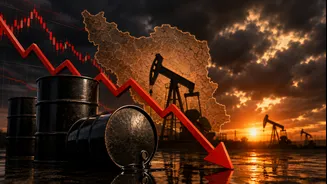
For decades, U.S. sanctions have focused heavily on crippling Iran's oil exports. While that pressure continues, this latest phase represents a strategic shift to target Iran's attempts to diversify its economy and fund its operations through other means. The focus on technology aims to block access to components for military programs, while sanctions on digital assets seek to close loopholes used for sanctions evasion. The U.S. Treasury recently seized nearly $500 million in cryptocurrency linked to Iranian entities. By sanctioning the trade of gold, the U.S. hopes to destabilize Iran's currency, which has already hit record lows in recent days.
The Global Banking Blockade
The power of U.S. sanctions largely comes from the central role of the U.S. dollar and its financial system in global trade. Secondary sanctions force international companies and banks to make a choice: do business with Iran or maintain access to the far larger U.S. market. The U.S. Treasury has warned that any entity facilitating transactions for Iran risks being cut off from the U.S. dollar system. This creates immense pressure on financial institutions in Europe, the Middle East, and Asia to sever ties with Iranian clients, effectively isolating Iran from the legitimate international banking network. U.S. officials have explicitly warned that even major foreign financial institutions could be targeted.
Ripple Effects and International Reaction
These measures don't just affect Iran. They put companies and governments in countries like China, the UAE, and Singapore in a difficult position. China, a major buyer of Iranian oil, has criticized the move, stating it will only exacerbate tensions and disrupt global economic stability. However, analysts note that Beijing is likely to act pragmatically, maintaining enough trade to prevent Iran's total collapse but unwilling to sacrifice its own vast economic interests for Tehran's sake. The aggressive U.S. stance risks creating friction with allies and pushing adversaries like China and Russia to accelerate their development of alternative financial systems to reduce their dependence on the U.S. dollar.
Iran's Response and Economic Reality
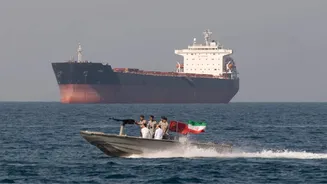
Publicly, Iranian officials have dismissed the new sanctions, vowing to break them. However, the country's economy is already in a fragile state, with high inflation and a currency that has severely depreciated. Decades of sanctions have made Iran adept at finding workarounds, including using a "shadow fleet" of tankers for oil sales and developing informal financial networks. Tehran is expected to lean more heavily on its relationships with China and Russia and may explore other non-dollar trade mechanisms. But analysts inside Iran have warned that the economy is more vulnerable now than in the past, and these new measures will test its resilience.