





The Classic Sweet Preserve: Amla Murabba
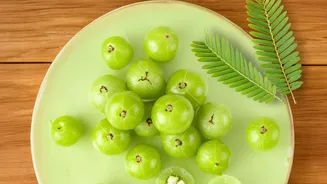
Amla murabba is perhaps the most famous preparation, transforming the sour berry into a delectable sweet treat. The process involves gently cooking whole or grated amla in a sugar or jaggery syrup. Spices like cardamom, saffron, or cinnamon are often
added to create a rich, aromatic flavour. The sugar perfectly balances amla's natural astringency, making it soft, syrupy, and delightful. Traditionally, the amla is first steamed or boiled until tender, then soaked in the syrup, allowing it to absorb the sweetness fully. This method not only preserves the fruit but also creates a delicacy that can be enjoyed as a dessert or a sweet side. While delicious, it's a calorie-dense preparation best enjoyed in moderation.
The Tangy Condiment: Amla Chutney
For those who prefer savoury over sweet, amla chutney is a revelation. This versatile condiment can be made in numerous ways, blending the gooseberry's tartness with a variety of spices. A common method involves grinding boiled or chopped amla with fresh coriander, green chillies, ginger, and cumin seeds. This creates a fresh, vibrant chutney that pairs wonderfully with snacks, rice, and flatbreads. Another variation involves cooking amla with spices like fennel seeds, turmeric, and asafoetida for a more complex flavour profile. Some recipes also incorporate jaggery to create a sweet and sour chutney, known as 'launji', which is a perfect accompaniment to any meal.
The Fiery Preserve: Spicy Amla Pickle
Amla achar, or pickle, is a staple in many Indian households, especially during the winter months when the fruit is in season. This preparation uses salt, oil, and a bold mix of spices to preserve the amla and create a fiery, pungent condiment. The process often starts with boiling or steaming the amla to soften them. They are then mixed with pickling spices like mustard seeds, fenugreek seeds, red chilli powder, and turmeric. The mixture is typically left to mature for several days, allowing the flavours to meld and deepen. The result is a pickle that delivers a powerful kick of spicy, sour, and salty notes, turning a simple meal of dal and rice into a feast for the senses.
The Healthy Refresher: Amla Juice and Drinks
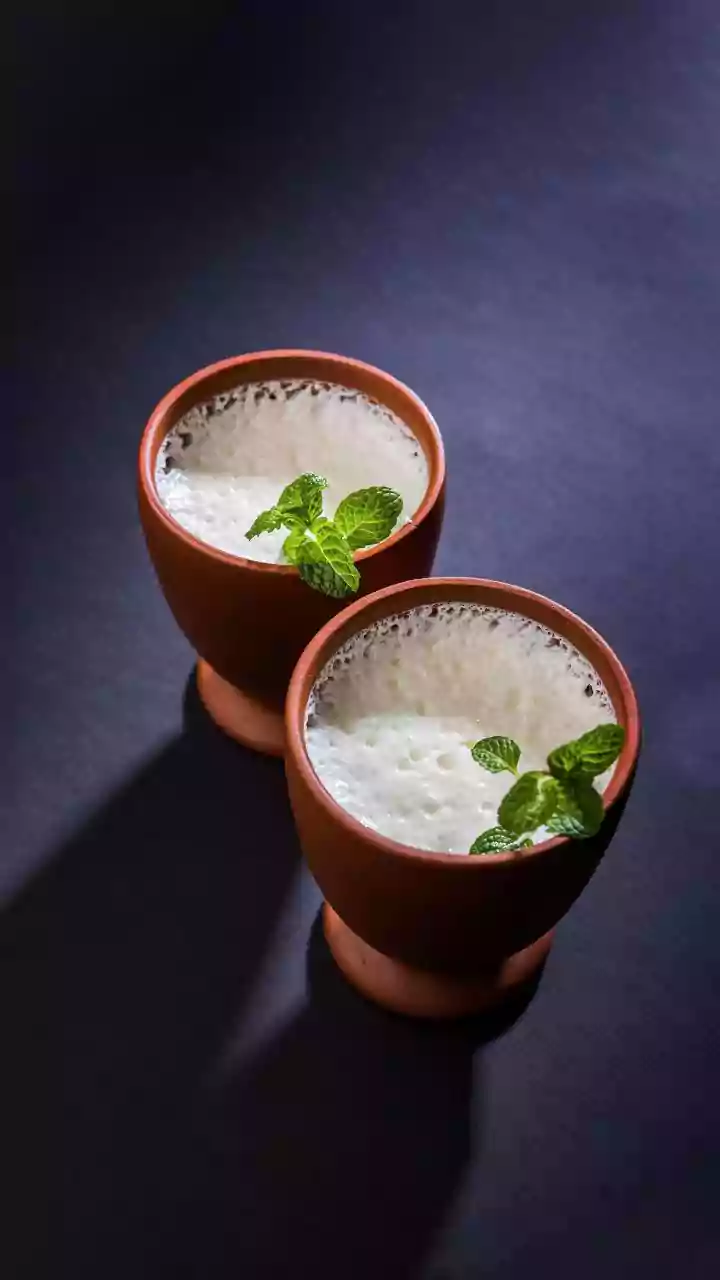
Juicing is one of the easiest ways to consume amla and reap its nutritional benefits. To counter its intense sourness, homemade amla juice is often blended with other ingredients. A popular combination includes mixing fresh amla juice with ginger, mint leaves, lemon juice, and a pinch of black salt for a savoury, tangy drink. For a sweeter version, a touch of honey or jaggery can be added. The process is simple: chop the amla, discard the seeds, blend with a little water, and then strain the pulp to extract the juice. It's a refreshing way to start the day and a great alternative to consuming the fruit whole.
The Unexpected Main: Amla in Curries and Rice
Beyond pickles and preserves, amla can also be a star ingredient in main courses. Its tartness can add a unique dimension to savoury dishes. For instance, amla can be incorporated into rice preparations, often along with other tangy ingredients like raw mango, for a flavourful and nutritious meal. In South India, a yogurt-based curry called 'amla kadi' is sometimes prepared, where gooseberry pulp is blended into a spiced yogurt gravy. You can also make a simple amla sabzi by stir-frying boiled amla pieces with onions, green chillies, and a mix of spices like turmeric and red chilli powder. These dishes showcase how amla's sourness can be used to brighten and balance the flavours in everyday cooking.