




The Power of a Simple Plan
The single most effective way to control your grocery spending is to plan your meals for the week. This doesn't require complex spreadsheets. Simply spend 20-30 minutes on a Sunday jotting down ideas for the week's main meals. Check your pantry and fridge
first to see what you already have. Based on this, create a shopping list. A list is your best defence against impulse buys, which are often the biggest budget-breakers. This simple habit dramatically reduces food waste and prevents you from buying items you don't need. Studies have shown that Indian households can waste a significant amount of food annually, and meal planning is a powerful way to combat this.
Shop Smart, Not Just Hard
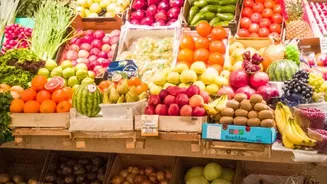
Where and when you shop matters. Your local 'sabzi mandi' or weekly market is often significantly cheaper for fresh produce than a supermarket, where prices can be 30-60% higher due to packaging and logistics. Buying seasonal fruits and vegetables is another key strategy; they are fresher, more nutritious, and cost less. For non-perishable staples like rice, dals, and flour, buying in bulk can lead to substantial savings over time. A 5 kg bag of dal, for instance, often has a much lower per-kilo cost than a 1 kg pack. Also, consider store brands for basic items like salt, sugar, and cleaning supplies, as they frequently offer similar quality for a lower price.
Embrace 'Component Prep' for Convenience
For working professionals, time is precious. Instead of cooking entire meals for the week, which can lead to monotony, try 'component prepping'. On the weekend, spend a couple of hours preparing building blocks for your meals. You could cook a large batch of dal or chole, make a basic onion-tomato masala, chop vegetables for a few days, and prepare a chutney. During the week, you can quickly assemble different meals: one day might be rajma with rice and salad, the next could be a quick paneer stir-fry using the pre-chopped veggies. This approach saves immense time on busy weeknights and makes you less likely to order expensive takeaways.
Nutrition Doesn't Have to Be Expensive
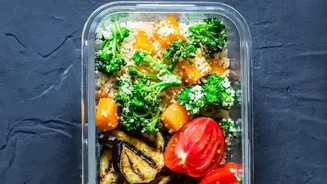
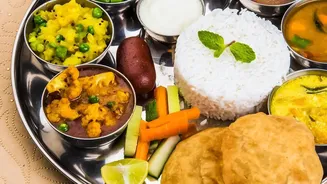
Healthy eating in India is not about imported 'superfoods'. It's about leveraging affordable, nutrient-dense local ingredients. Make staples like dals, legumes, and millets the foundation of your diet. They are excellent sources of protein and far cheaper than meat or even paneer per gram. Plan to have a few legume-based meals each week. Frozen vegetables can also be a cost-effective and nutritious option, as they are picked at peak freshness and are less prone to spoilage than fresh produce. When building your plate, aim to fill half of it with vegetables, a quarter with a protein source like dal, and a quarter with a whole grain like roti or brown rice.
Leverage Technology and Reduce Waste
Online grocery platforms can be a powerful tool for budgeting. They make it easy to compare prices between different brands and stick to your shopping list without the temptation of in-store displays. Many also offer exclusive discounts and cashback deals that can add up to significant savings. Beyond shopping, focus on minimising what you throw away. Think of leftovers as 'planned-overs'. A whole chicken cooked on Sunday can be used for a curry and then for sandwiches or a salad later in the week. Do a quick kitchen inventory before each shopping trip to use up what you have. That half-used pack of dal or the forgotten vegetables in the back of the fridge can be the start of your next delicious, budget-friendly meal.