







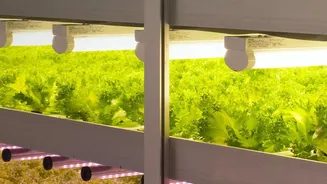
A New Way to Grow Berries
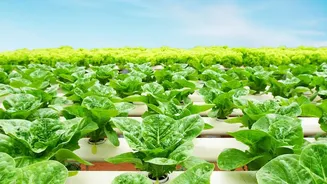
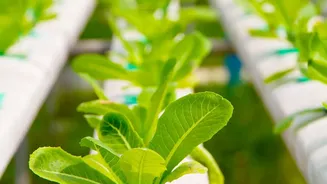
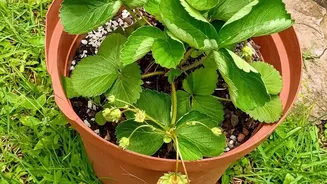
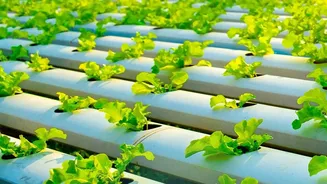
At its core, hydroponics is the art of growing without soil. Instead of pulling nutrients from the earth, strawberry plants are grown in a controlled environment with their roots suspended in a nutrient-rich water solution or a soilless medium like coco
peat. This method gives the grower complete control over the plant's diet, delivering a precise mix of minerals directly to the roots. By removing soil from the equation, many traditional farming challenges like soil-borne diseases, pests, and inconsistent nutrient availability are eliminated, resulting in cleaner fruit and a more sterile growing environment.
The Allure of Perfect Produce
The benefits of going soilless are compelling. Hydroponic systems can produce strawberries that grow 30-50% faster than their soil-based counterparts. Because growers can create ideal conditions 365 days a year, multiple and continuous harvests are possible, breaking free from seasonal limitations. This method is also incredibly space-efficient; vertical tower systems allow farmers to grow significantly more plants in the same square footage. Furthermore, these closed-loop systems use up to 90% less water than traditional agriculture, a critical advantage in a water-scarce world. The result is often a higher yield of premium-quality fruit that, due to controlled nutrition, can have a higher sugar content and more intense flavour.
The High-Stakes Balancing Act
This is where the "little room for error" comes into play. A hydroponic farm is less like a field and more like a laboratory. Success hinges on maintaining a delicate balance of multiple factors with scientific precision. The pH level of the nutrient solution must be constantly monitored; if it drifts, plants can be locked out from absorbing essential minerals, leading to deficiencies even when nutrients are present. Water temperature, oxygen levels, light intensity, and humidity must all be kept within a narrow optimal range. A simple mistake—a pump failure, an incorrect nutrient mix, or a power outage that disrupts the climate control—can be catastrophic, potentially wiping out an entire crop in a matter of hours, not days.
The Steep Price of Precision
Starting a commercial hydroponic strawberry farm is a capital-intensive venture. The initial setup costs can be substantial, running into several lakhs of rupees for even a small commercial operation. Expenses include the greenhouse or polyhouse structure, the hydroponic system itself (like NFT or Drip systems), climate control equipment such as fans and cooling pads, automated monitoring systems, and backup power generators. Operational costs are also high, driven primarily by electricity needed for lighting, pumps, and climate management, as well as the recurring expense of specialised nutrients. While some ventures report impressive profit margins, the high upfront investment and running costs are significant barriers to entry for many aspiring agri-entrepreneurs.
Is It Viable in India?
Despite the challenges, hydroponic strawberry farming is gaining traction in India. Traditionally confined to cooler climates like Mahabaleshwar, this technology allows cultivation in diverse regions, including near urban centres where demand for premium produce is high. It offers a solution to land constraints and soil quality issues. However, operators must contend with local challenges like unreliable electricity supply, which makes backup power essential and adds to the cost. Success requires not just capital, but also a deep understanding of plant science and hydroponic technology. It is a field best suited for dedicated, data-driven growers willing to manage a complex, high-tech operation.