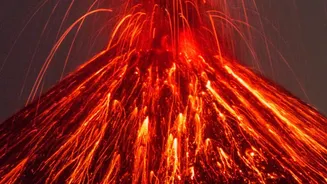


Mount Etna, Italy
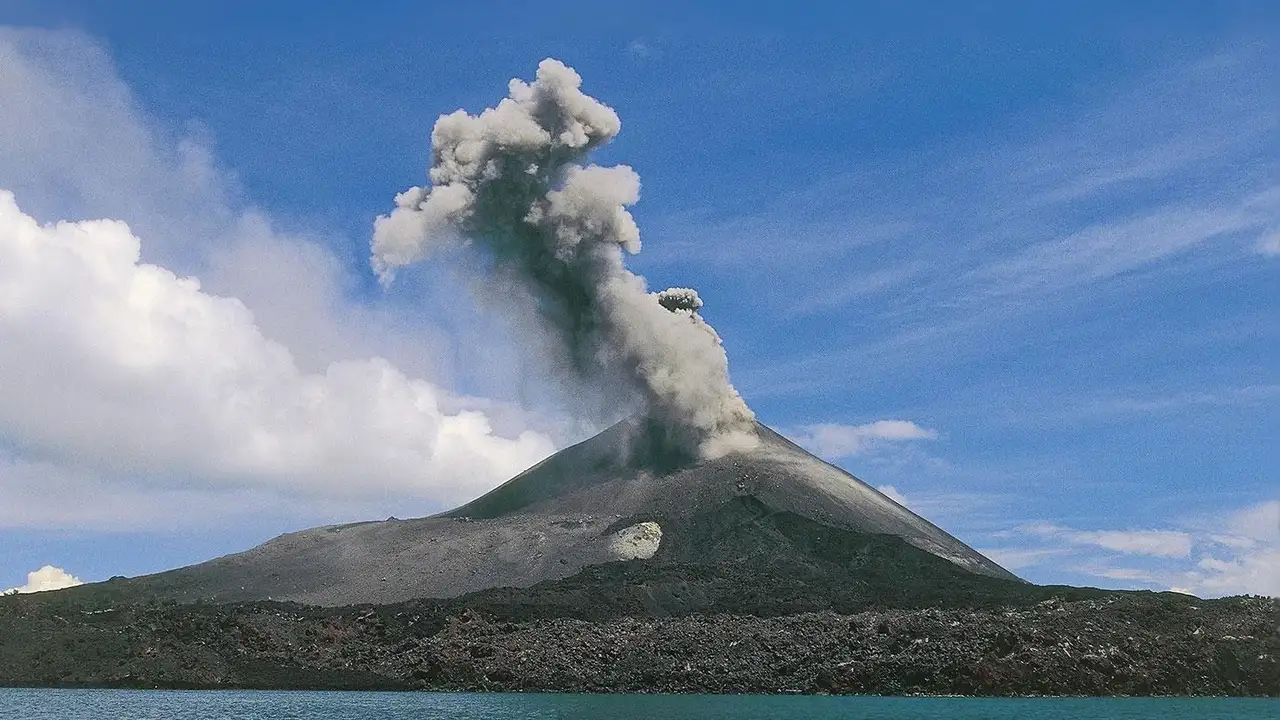
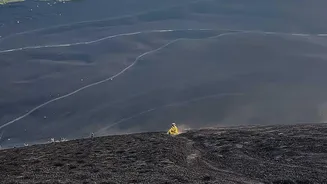
Looming over the island of Sicily, Mount Etna is Europe's most active volcano and one of the world's most accessible. The reward for visiting is a landscape that feels both ancient and alive, with stark black lava fields, smoking craters, and panoramic
views of the Ionian Sea. The experience is highly managed for safety; Etna is under constant surveillance by Italy's National Institute of Geophysics and Volcanology (INGV). Visitors can take a cable car and then a 4x4 vehicle to reach the upper zones, but accessing the highest altitudes requires a certified guide. These restrictions are not suggestions—they are mandatory for your protection. The rules are in place because of the unpredictable terrain, weather that can change in an instant, and volcanic gases. Respecting these guided-only zones and heeding official advice ensures that a tour is modified or cancelled well before any real danger arises.
Kīlauea, Hawaii, USA
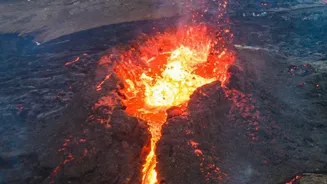
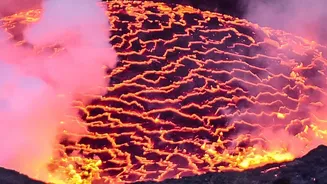
Located in Hawaiʻi Volcanoes National Park, Kīlauea is famous for its frequent and dramatic eruptions that have shaped the Big Island for millennia. While eruptions are episodic, the reward is the chance to witness glowing lava from a safe distance, see steam billow from vents in the caldera floor, and walk across vast, solidified lava lakes. The park has strict rules: visitors must stay on marked trails and respect all closed areas. These closures are non-negotiable and protect visitors from hazards like unstable cliff edges, ground cracks, and toxic volcanic gases. Viewing areas like the Kīlauea Overlook and Uēkahuna offer spectacular sights when the volcano is active, especially at night. Always check the official National Park Service and USGS websites for the latest eruption updates and air quality conditions before visiting.
Stromboli, Italy
Nicknamed the "Lighthouse of the Mediterranean," Stromboli has been erupting almost continuously for 2,000 years. This small island volcano offers one of the most reliable shows on Earth, with fountains of glowing lava bursting from its crater every 15 to 20 minutes. The ultimate reward is witnessing this spectacle after dark. Most visitors take evening boat tours to see the Sciara del Fuoco, a channel where lava fragments tumble down into the sea, creating a fiery display against the night sky. Hiking on the volcano itself is heavily restricted. Ascents to higher elevations are only permitted with a licensed guide and are subject to change based on volcanic activity. These guided tours ensure you remain at a safe distance while still experiencing the volcano's power.
Pacaya, Guatemala
Just a short trip from Antigua, Pacaya is one of Central America's most popular and consistently active volcanoes. The hike up takes you through forests and across fields of dried lava rock. While the main crater summit is off-limits for safety, the reward is getting close enough to feel the earth's heat. In fact, a highlight for many is roasting marshmallows over geothermal vents near the active cone. It is mandatory to hire a local guide; you cannot hike Pacaya on your own. This rule was implemented after tourists got lost on the rugged terrain. Guides are essential for navigating the safest routes around the lava fields and steam vents. For those who find the two-hour uphill climb too strenuous, local guides offer horses for rent.
Mount Bromo, Indonesia
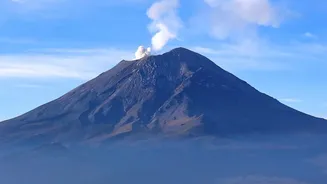
Part of the Bromo Tengger Semeru National Park in East Java, Mount Bromo is a breathtaking sight. It sits inside the vast Tengger Caldera, a sea of volcanic sand, alongside several other peaks. The reward is an otherworldly sunrise view, with Bromo's crater continuously puffing a column of white smoke. Most visitors arrive in pre-dawn jeep tours to a viewpoint on Mount Penanjakan before crossing the sea of sand to climb the steps to Bromo's crater rim. While you can approach the edge, local authorities may restrict access or close the park entirely during periods of increased activity. Always respect the posted barriers and listen to guidance from park rangers. The fine volcanic sand and sulphur gas can also be hazardous, so wearing a mask and eye protection is often recommended.
Arenal, Costa Rica
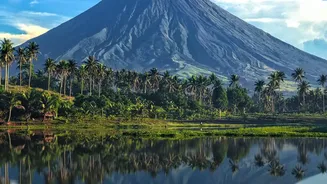
Although Arenal Volcano entered a dormant phase in 2010 after decades of activity, it remains a majestic centerpiece of Arenal Volcano National Park. The reward here is not flowing lava but the volcano's perfect conical shape, the lush surrounding rainforest, and the abundant geothermal activity it fuels. The park offers well-maintained trails through lava fields from past eruptions and dense jungle teeming with wildlife. The primary restriction is absolute: climbing to the crater is strictly illegal and prohibited for safety and conservation reasons. The true way to experience Arenal's power is by respecting this rule and instead exploring the designated park trails, spotting wildlife, and soaking in the many natural hot springs in the area, which are heated by the volcano's deep geothermal energy.