




The Monsoon Contamination Challenge
The high humidity and pervasive moisture of the Indian monsoon create a perfect breeding ground for bacteria, fungi, and other pathogens. This environment means that fruits and vegetables are more susceptible to contamination. Pathogens like E. coli and Salmonella
become more common, posing a risk of foodborne illnesses such as diarrhoea, dysentery, and cholera. While papaya is enjoyed year-round, the increased microbial activity during the rains makes it essential to be extra vigilant about how you handle it before consumption.
The Danger of Cross-Contamination
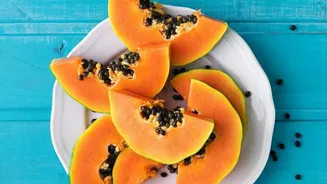
Many people assume that since they don't eat the papaya's skin, it doesn't need to be washed. This is a critical food safety mistake. The skin of any fruit, including papaya, can harbour dirt, pesticide residues, and harmful bacteria from the soil, water, and handling process. When you take a knife to an unwashed papaya, the blade picks up these contaminants from the surface and drives them directly into the flesh you are about to eat. This single action can transfer pathogens from the outside to the inside, negating the protection the peel would otherwise provide.
Your Step-by-Step Guide to Safer Papaya
Following a few simple steps can drastically reduce your risk of contamination and allow you to enjoy your papaya safely. First, always wash your hands with soap and water before handling any produce. Place the whole papaya under clean, cool, running water. For a fruit with a firm surface like papaya, using a clean vegetable brush to gently scrub the skin is highly recommended. This helps dislodge any stubborn dirt or residues from its surface and fissures. After washing, pat the fruit dry with a clean cloth or paper towel. This not only removes remaining moisture but also makes the fruit less slippery and safer to cut. Only after it has been washed and dried should you place it on a clean cutting board and slice it.
What to Avoid When Washing
While washing is crucial, using the right method is just as important. It is generally not recommended to use soap, detergents, or special commercial produce washes. These products can leave behind residues that are not meant for consumption. Furthermore, some studies suggest that using vinegar on a porous fruit like papaya can cause surface pitting, which might actually increase the risk of pathogens getting in. Cool, running water and a gentle scrub with a brush are proven to be effective and are considered the safest methods by food safety experts for removing the vast majority of surface contaminants.
Beyond the Wash: Selection and Storage
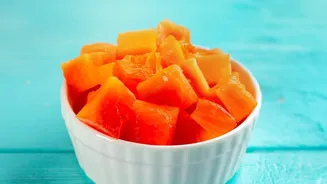
Your safety measures should start at the market. Choose papayas that are firm, brightly coloured, and free from bruises, mould, or soft spots, as these can be entry points for bacteria. Avoid buying pre-cut fruits, especially from street vendors, as there is a higher risk of contamination from exposure to the open air, unhygienic handling, or contaminated water. Once you bring your papaya home and have washed it, store any cut portions in an airtight container in the refrigerator and consume them within a few days. If a part of the papaya looks rotten or mouldy, it is best to discard the entire fruit, as invisible toxins and mould spores can spread through the flesh even if you cut away the visible bad part.