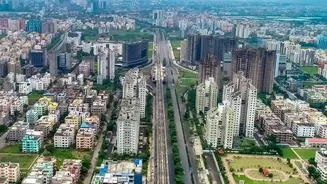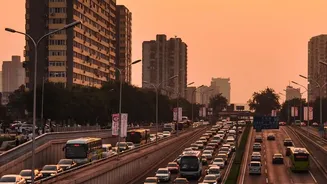









The search for a perfect home often focuses on size, amenities, and price. But what about the daily journey to and from your front door? In India's bustling cities, overlooking transport links can be a costly mistake for your wallet and well-being.
The Location Beyond Your Four Walls
In
real estate, the mantra has always been 'location, location, location'. Today, however, location is no longer just about the prestige of a neighbourhood or its proximity to the city centre. For a growing number of Indian homebuyers, a good location is defined by connectivity. A home's value is intrinsically tied to its accessibility. It exists within a larger ecosystem of roads, metro lines, and bus routes that determine your daily quality of life. An amazing apartment loses its charm quickly if getting to work, school, or the market involves a daily, soul-crushing battle with traffic and unreliable transport. This is why savvy buyers are starting to look beyond the property line and are instead evaluating the entire journey, from their doorstep to their destination.
The Hidden Costs of a Bad Commute
A poorly connected home comes with significant hidden expenses. The most obvious is the financial drain. Long commutes in private vehicles burn fuel, accelerate vehicle wear and tear, and can cost thousands of rupees annually. A study estimated that traffic congestion in India's four largest metros costs the economy over ₹1.47 lakh crore each year in lost productivity and wasted fuel. But the costs aren't just financial. Long, stressful commutes are linked to increased anxiety, poor sleep, and less time for family, exercise, and personal well-being. The time lost in traffic is time you can never get back—time that could be spent with loved ones or on personal growth. Choosing a home with good transport links is an investment in your mental and physical health.
The Direct Link to Property Value
Good infrastructure is one of the most powerful drivers of property appreciation in India. Numerous studies and market trends show that properties located near operational metro stations, expressways, and other major transport corridors command higher prices and better rental yields. Research indicates that properties within 500 metres of a metro station can see a price increase of 20-30% after the line becomes operational. These infrastructure projects transform previously peripheral areas into desirable residential hubs by slashing travel time. Conversely, properties in areas with poor connectivity can stagnate in value. When you buy a home, you are also investing in the area's future. Following the trail of government-led infrastructure projects can help you identify locations with strong long-term growth potential.
Your Connectivity Checklist Before You Buy
Don't just take a developer's brochure at face value. Before you commit, do your own due diligence. First, test the actual commute during peak hours; a 15-minute drive on a Sunday can be a 90-minute crawl on a Monday morning. Second, investigate last-mile connectivity. How will you get from the metro station or bus stop to your home, especially late at night or during monsoons? Look for reliable feeder services, well-lit pedestrian paths, and the availability of autos or ride-sharing services. Third, research future plans. Check official sources like the city's metro corporation website to verify completion timelines for under-construction lines. A 'future metro' promise is not the same as an operational one. Finally, assess the variety of options. Is the area solely dependent on one mode of transport, or are there multiple alternatives like buses, trains, and major roads?
Beyond Distance, Think Time and Quality
The modern homebuyer's mindset is shifting from 'how far is it?' to 'how long will it take?'. The goal is to secure a predictable commute. A home that saves you 40 minutes of travel time each day gives you back over 240 hours a year—precious time for life outside of work. As India's urban transport networks evolve with new metro lines and smart city initiatives, connectivity is becoming a premium amenity. The government's focus on integrated and inclusive transport highlights its importance for economic growth and urban development. By making transport links a non-negotiable part of your property search, you are not just choosing a place to live. You are choosing a better, more efficient, and less stressful lifestyle.