





The Vision for a Northern Speed Revolution
The project in focus is the Delhi-Varanasi High-Speed Rail Corridor, a key component of the larger Northern Bullet Train Corridor recently approved by the Prime Minister. This ambitious plan aims to connect the national capital with major economic, cultural,
and religious hubs across Uttar Pradesh and eventually extend to eastern India. The National High Speed Rail Corporation Limited (NHSRCL) has submitted the Detailed Project Report (DPR) for the corridor to the Ministry of Railways. The development is planned in phases, with the Delhi-Varanasi section being the first priority before a proposed extension to Patna, Siliguri, and Guwahati. This initiative is part of a broader vision to roll out seven new high-speed corridors, aiming to transform intercity travel and boost economic growth.
Connecting Key Economic and Cultural Hubs
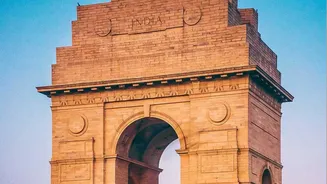
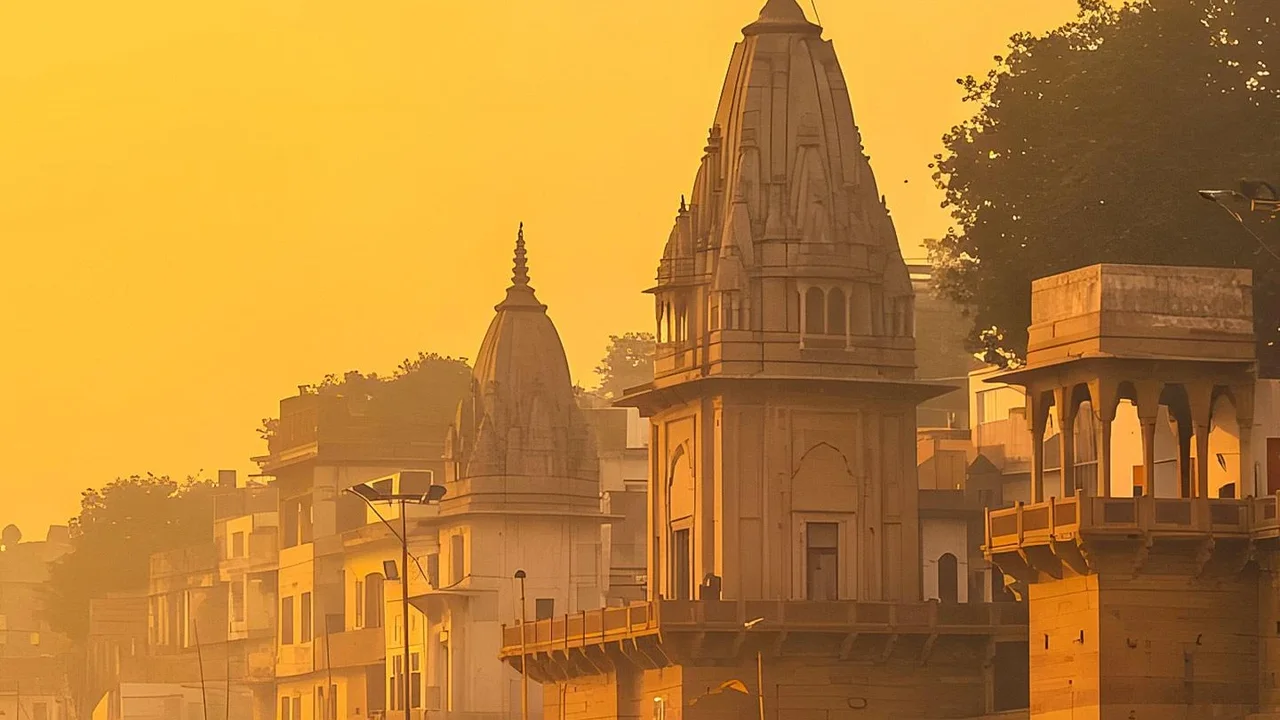
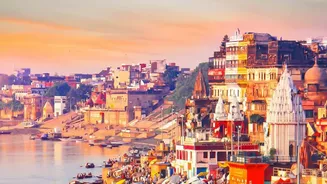
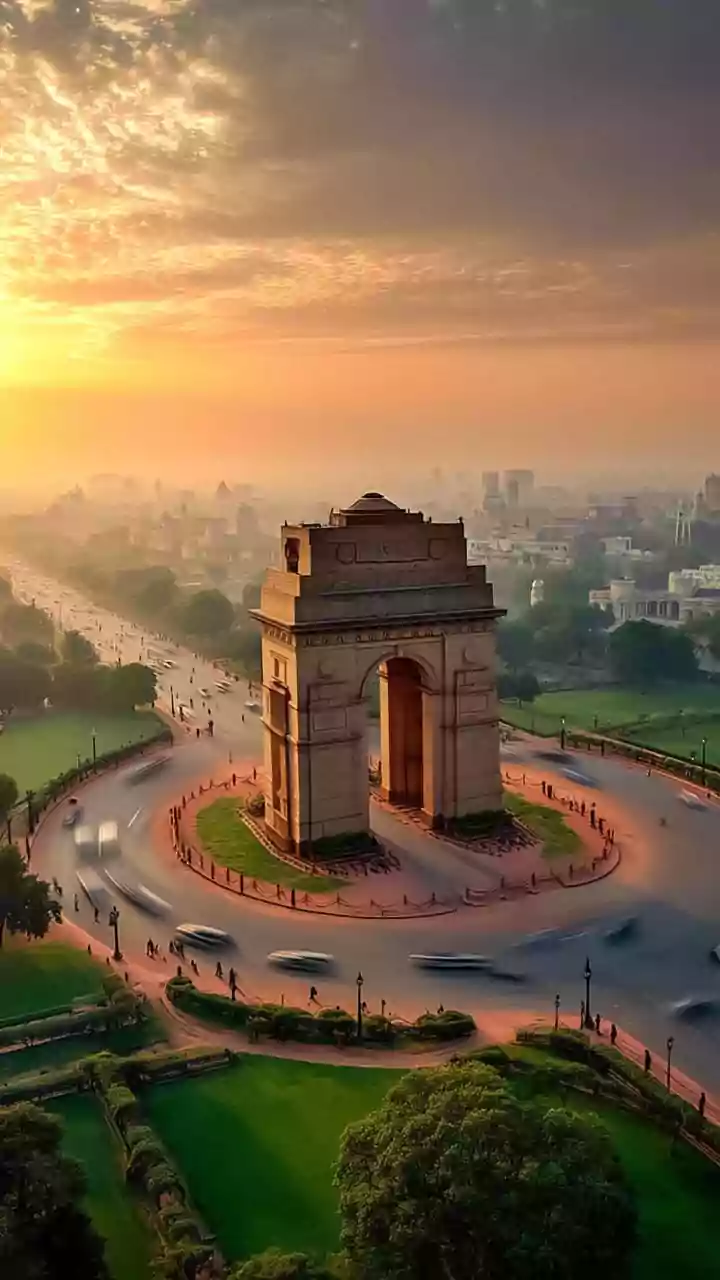
The proposed route is designed to integrate some of North India's most populous and significant centres. Starting from Delhi, the line is planned to pass through Noida, Jewar (connecting to the upcoming international airport), Agra, Etawah, Kanpur, Lucknow, and Prayagraj before terminating in Varanasi. There is also a proposed spur line to connect Ayodhya. This alignment will create a powerful economic corridor, linking industrial zones like Noida and Kanpur with political and administrative centres like Delhi and Lucknow, and major tourism and pilgrimage destinations such as Agra, Prayagraj, and Varanasi.
Slashing Travel Times Dramatically
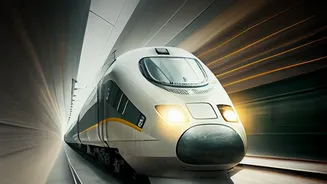
With a projected operating speed of up to 350 km/h, the bullet train promises a revolutionary reduction in travel times. The journey from Delhi to Lucknow, for instance, could be cut to just 2 hours and 12 minutes. The trip from Delhi to Kanpur is estimated to take 1 hour and 45 minutes, while the full Delhi to Varanasi stretch could be completed in approximately 3 hours and 33 minutes. These estimates, shared by the Railway Minister, highlight the potential to make day trips and business travel between these major cities more convenient than ever before. Fares are expected to be competitive and significantly lower than air tickets, making high-speed travel accessible to a wider population.
A Catalyst for Economic Growth
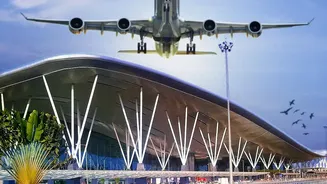
Beyond speed, the corridor is envisioned as a major driver of economic and social development. By improving connectivity, the project is expected to boost tourism, facilitate business operations, and improve access to employment, education, and healthcare facilities. The integration with Jewar Airport is set to create a vital multi-modal transport hub, enhancing logistics and passenger flow across the region. Planners anticipate that the project will stimulate investment in real estate, manufacturing, and hospitality along its route, creating jobs and fostering regional integration by connecting emerging urban centres with established hubs.
Current Status and the Road Ahead
While the Prime Minister's approval marks a significant milestone, the project is still in its planning stages. The DPR has been submitted, but the final alignment, specific station locations, total cost, and construction timeline are yet to be finalised and announced publicly. The sanction of the project will depend on the final feasibility studies and financing models. Ground survey work is reportedly progressing as the project moves into its next phase of planning. The experience gained from India's first high-speed rail project, the Mumbai-Ahmedabad corridor, is expected to inform the development and execution of this northern line.