

An Ideal Route: Florence to Siena
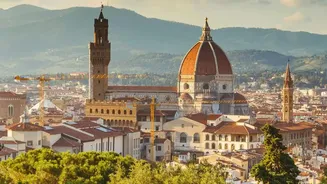
A classic and highly rewarding road trip route begins in Florence, the cradle of the Renaissance, and winds south to the stunning medieval city of Siena. This path allows you to immerse yourself in unparalleled art, then escape into the countryside. The
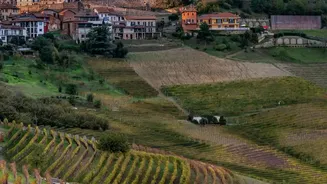
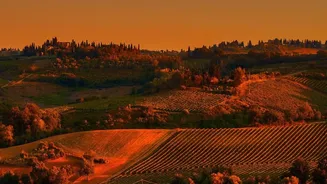
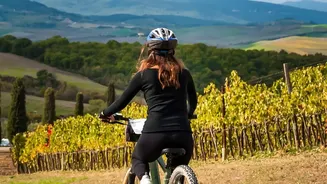
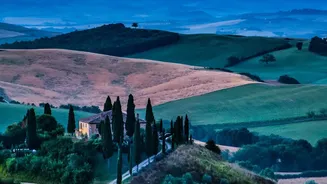
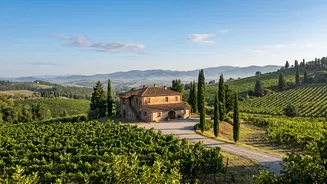
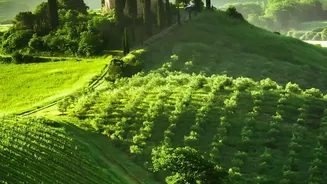
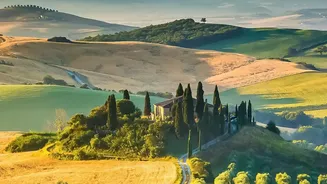
most famous route is the Strada Regionale 222 (SR222), also known as the Chiantigiana. This road cuts through the heart of the Chianti Classico wine region, connecting Florence and Siena over roughly 70 kilometres of scenic beauty. Along the way, it passes through charming towns like Greve in Chianti, Panzano, and Castellina in Chianti, each offering opportunities to explore, taste wine, and soak in the landscape. This journey isn't about speed; it's about the freedom to stop at a family-run vineyard or linger over lunch in a hilltop village. Plan for at least a full day of driving to truly enjoy the detours. For a longer trip, consider basing yourself in two or three locations for several nights each to explore different areas without rushing.
Understanding the ZTL Challenge
The biggest logistical hurdle for drivers in Tuscany is the Zona a Traffico Limitato, or ZTL. These are limited traffic zones in the historic centres of most Italian cities and towns, including Florence, Siena, and San Gimignano, designed to reduce congestion and pollution. Entering a ZTL without authorization will result in a significant fine, often ranging from €80 to over €300, plus administrative fees from your car rental agency. These zones are monitored by cameras that automatically scan licence plates. The signs indicating a ZTL are a white circle with a red border. Below the sign, the hours of enforcement are listed. Some zones also have electronic signs that read "Varco Attivo" (meaning the zone is active and you cannot enter) or "Varco non Attivo" (inactive, entry is permitted). Crucially, GPS navigators often don't account for ZTLs and may direct you straight into one. The golden rule is to assume all historic centres are restricted and look for parking outside these boundaries.
Smart Parking in Florence
To experience Florence's art without the stress of driving in its core, park on the outskirts and walk or use public transport. The entire historic centre is a ZTL. One of the best options is the Villa Costanza car park, located directly off the A1 motorway. From there, you can take the T1 tram directly into the city centre. For parking closer to the centre but still safely outside the ZTL, consider the lots near Fortezza da Basso or Piazza della Libertà (Parterre). These are a 15-20 minute walk from the Duomo. If exploring the Oltrarno district south of the river, the Oltrarno-Calza garage is a convenient choice. Street parking, marked by blue lines, is another option, but requires paying at a meter and carefully checking signs for any restrictions. Avoid yellow lines (reserved) and white lines (usually for residents).
Parking Strategies for Siena and Hill Towns
Like Florence, Siena's magnificent historic centre is a ZTL. The most practical approach is to use one of the large car parks located just outside the city walls. Several are equipped with escalators to help you ascend into the city. The Santa Caterina car park is highly recommended for its location and escalator access near the Duomo and Piazza del Campo. The Fortezza-Stadio car park is another large and convenient option. Rates for these lots are typically around €2 per hour, with daily maximums. While some free street parking exists further out on streets like Viale Mario Bracci, these spots are competitive and require a bus ride into the centre. When visiting smaller hill towns, the principle remains the same: look for designated pay-and-display car parks at the base of the town and prepare for a short, often steep, walk up.
Essential Driving Tips
When renting a car, opt for the smallest vehicle that suits your needs; narrow village streets and tight parking spaces will make you glad you did. You will likely need an International Driving Permit (IDP) in addition to your valid driver's licence to rent a car and drive legally in Italy. The countryside roads are generally well-maintained and a pleasure to drive, but be prepared for winding routes and local drivers who may seem assertive. The best times for a Tuscan road trip are in the shoulder seasons—May, June, September, and early October—when the weather is pleasant and the crowds are smaller than in the summer peak. Always check with your hotel before arrival if it is located within a ZTL; they can sometimes register your licence plate for temporary access to drop off luggage.