





An Audacious Dream in a Closed Sector
In 2018, the idea of a private company in India building and launching its own rockets was pure science fiction for most investors. The national space sector was the exclusive domain of the Indian Space Research Organisation (ISRO). Yet, two of its former
scientists, Pawan Kumar Chandana and Naga Bharath Daka, saw an opportunity on the horizon. Having worked on India's heaviest launch vehicles, they anticipated the government's plan to open the space sector to private enterprise. They quit their prestigious government jobs and founded Skyroot Aerospace in Hyderabad with a mission: to build rockets that would make space access affordable and routine, like booking a flight. But their vision required something more tangible than passion: capital.
The Challenge of Funding a 'Moonshot'
Finding investors was a monumental task. The regulatory framework for a private space company didn't exist yet, and rocket development is a high-risk, capital-intensive marathon, not a sprint. A single failed test could obliterate years of work and investment. Most venture capitalists, accustomed to the faster returns of consumer internet businesses, were skeptical. Skyroot’s pitch was for a hardware-intensive business in a sector that wasn't even legally permitted to operate privately. The initial response from the investment community was a string of rejections. The founders were trying to sell a ticket to the moon before the spaceship was even built, and before they had the license to build it.
A Cold Message and a Leap of Faith
The breakthrough came from an unlikely source. The founders sent a cold message on LinkedIn to Mukesh Bansal, an entrepreneur renowned for building consumer giants Myntra and Cult.fit. His background was in e-commerce and fitness, worlds away from orbital mechanics and rocket propulsion. Yet, the audacity of the founders' vision—two engineers in their late twenties wanting to build a rocket company from scratch—intrigued him enough to take a meeting. Bansal was moved by their passion and their deep technical expertise gained at ISRO. He saw an opportunity that others, blinded by the regulatory uncertainty and long timelines, had missed.
The First Cheque That Ignited the Engines
In 2018, Mukesh Bansal made a bold decision. He became Skyroot's first and, for nearly two years, its only angel investor, putting in an initial Rs 10-12 crore across several rounds. This was a significant bet placed almost two years before the Indian government formally liberalised the space sector in 2020. Bansal's investment was not just money; it was a powerful vote of confidence. When the COVID-19 pandemic squeezed finances, he injected another Rs 2 crore to ensure the team could stay together. His backing provided the crucial runway for Chandana and Daka to turn their blueprints into reality, developing and testing their first engines, Kalam-5 and Raman.
From Angel Investment to National Milestone
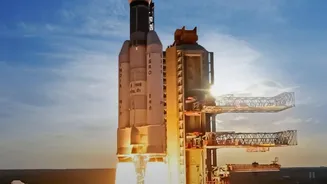
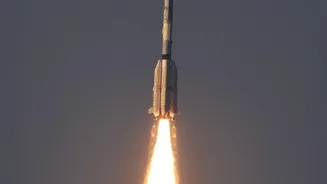
Bansal’s early and steadfast support acted as a seal of approval, paving the way for institutional funding once the sector officially opened. He continued to participate in subsequent funding rounds, including the Series A in 2021 and Series B in 2022. This journey culminated in major milestones: the successful launch of Vikram-S in 2022, India's first privately built rocket, and the historic orbital launch of Vikram-1 on July 18, 2026. Skyroot eventually became India's first space-tech unicorn, valued at over $1.1 billion. For Bansal, the bet paid off spectacularly, turning his initial Rs 12 crore investment into a stake and exits valued at over Rs 700 crore—a return of nearly 60 times.