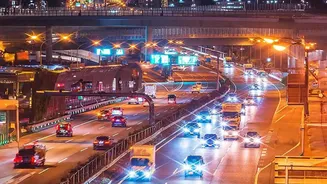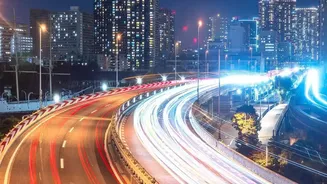





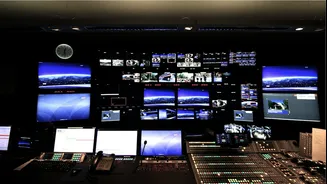


What Is the Intelligent Traffic Management System?
The ITMS is a nearly ₹1,800-crore project designed to make Delhi's traffic management smarter and more responsive. Instead of relying on fixed-time signals and manual police intervention, the system will use artificial intelligence, cameras, and sensors
to manage traffic flow in real-time. The goal is to make better use of the existing road network, which is under immense pressure from over 70 lakh active vehicles. The project, implemented by the Delhi Police, will cover 42 of the city's major traffic corridors and will be rolled out in three phases over the next two years. Think of it as giving Delhi's traffic infrastructure a 'brain' that can see, think, and react to conditions on the ground.
The Rise of Automated Enforcement
One of the most significant changes for drivers will be the introduction of widespread automated enforcement across 1,029 locations. The ITMS will use AI-powered cameras to automatically detect a wide range of traffic violations. These include common offences like jumping red lights, speeding, driving on the wrong side of the road, and stop-line violations. The system will also be able to identify drivers using mobile phones, and riders or passengers without helmets or seatbelts. Furthermore, the technology will assist in identifying stolen or blacklisted vehicles, repeat offenders, and even vehicles linked to hit-and-run incidents, making enforcement more consistent and technology-driven.
Live Traffic Information for Commuters
The ITMS aims to empower commuters by providing them with timely and accurate traffic information. This data will be shared through various channels, including large Variable Message Sign (VMS) boards placed along roadways and other digital platforms. These will display real-time updates on congestion, accidents, diversions, and even parking availability. The plan also includes sharing this data with popular navigation service providers, meaning apps like Google Maps could offer even more accurate route suggestions based on the live feed from the city's traffic network. This allows drivers to make informed decisions before they get stuck in a jam, potentially choosing alternative routes and saving time.
Smarter Signals and Safer Journeys
At the core of the ITMS are Adaptive Traffic Control Systems (ATCS) at over 1,000 intersections. Unlike current signals that run on fixed timers, these smart signals will use real-time data to adjust their timings. If one road is heavily congested while a crossing road is empty, the system can change the green and red light durations accordingly to optimise flow and reduce unnecessary waiting. A crucial feature of this system is its ability to create 'green corridors' for emergency vehicles. When an ambulance is en route, the system can coordinate signals ahead to give it a clear path, potentially saving critical time during emergencies.
Challenges and the Road Ahead
While the ITMS promises a smoother, safer commute, its success is not guaranteed. The project, which was first conceptualised before the 2010 Commonwealth Games, faces significant implementation hurdles. Integrating thousands of cameras and sensors across a complex urban environment requires seamless coordination between multiple agencies. There are also concerns about data privacy and the security of the vast amount of vehicle and movement data that will be collected. For the system to be truly effective, it will also require a shift in commuter behaviour and broad public acceptance. The technology provides a powerful framework, but its real-world impact will depend on flawless execution and public cooperation.