






The Birth of an Icon
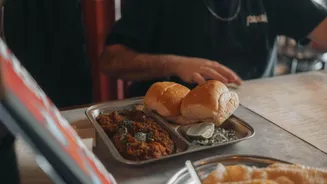
The story of pav bhaji begins not in a fancy restaurant, but in the heart of 19th-century industrial Mumbai. During the 1850s, the city's textile mills were booming, and workers needed a meal that was fast, affordable, and filling enough to power them
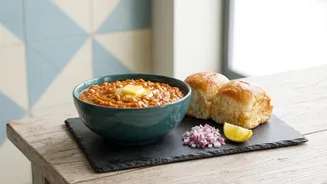
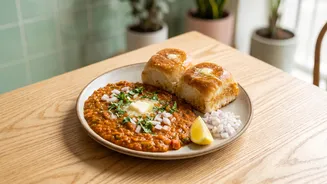
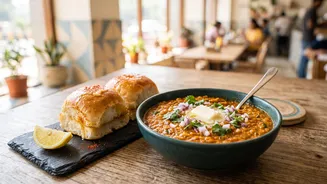
through strenuous shifts. Their lunch breaks were short, making a traditional, elaborate meal impractical. Enterprising street vendors saw an opportunity. They created a dish by mashing together various vegetables—often leftovers—into a thick, spicy curry known as 'bhaji'. This was served with 'pav', a soft bread roll introduced to the region by the Portuguese. The combination was perfect: a nutritious, hot meal that could be eaten quickly, often while standing. It was the original fast food of Mumbai, born from necessity and ingenuity.
From Mill Yards to Midnight Cravings
What started as a labourer's lunch couldn't be contained for long. The dish's immense popularity saw it spread from the mill districts to the city's bustling streets, beaches, and eventually, into restaurants. It became a staple at late-night food stalls, catering to everyone from cotton traders awaiting international prices to families enjoying an evening out at Chowpatty Beach. This shift marked a crucial point in its evolution. Pav bhaji was no longer just a functional meal; it became an experience, a symbol of leisure and social gathering. Its identity expanded from being a quick breakfast or lunch to becoming a go-to dish at any time of day or night, solidifying its place as a cornerstone of Mumbai's culinary landscape.
An All-Day, All-Purpose Affair
Today, pigeonholing pav bhaji by a time of day is impossible. It is a celebratory meal, a weekend family dinner, a quick office lunch, and a comforting late-night snack all at once. Its versatility is its strength. The core concept—spicy mashed vegetables with buttered bread—is a canvas for endless variation. This adaptability ensures it remains relevant across different settings and for different audiences. The dish is a unifier, enjoyed by people from all walks of life, standing at a street cart or seated in a high-end restaurant. This universal appeal is central to its modern identity; it's a dish that belongs to everyone, at any hour, reflecting the inclusive, 24/7 spirit of Mumbai itself.
A Dish in Constant Evolution
While the classic recipe remains sacred, pav bhaji has proven to be incredibly adaptable to modern tastes. Chefs and street vendors alike are constantly innovating, giving this humble dish a fresh twist. Walk through Mumbai today, and you'll find a dazzling array of options beyond the original. There is cheese pav bhaji, where a blanket of melted cheese covers the bhaji, and paneer pav bhaji, which adds soft cubes of cottage cheese to the mix. More adventurous variations include mushroom pav bhaji, Kolhapuri pav bhaji with a fierier spice mix, and even 'khada' pav bhaji, where the vegetables are left in chunks instead of being fully mashed. Fusion creations like pav bhaji fondue, burgers, and even pastas showcase its incredible flexibility, proving that this classic dish is far from static.
More Than Just a Meal
Ultimately, pav bhaji is more than the sum of its ingredients. It is a symbol of Mumbai's spirit: resourceful, fast-paced, and incredibly resilient. Its origin story, using mashed leftover vegetables, speaks to a culture of making something wonderful out of the available resources. Its ability to be served and eaten quickly mirrors the city's relentless energy. And its power to bring people together over a shared plate embodies the communal soul of the metropolis. Each buttery, spicy bite is a taste of history, a story of migration, industrialisation, and culinary innovation. It’s a dish that has absorbed the flavours of the many communities that call Mumbai home, becoming a shared language of comfort and identity. As it continues to evolve, pav bhaji doesn't lose its soul; it simply finds new ways to tell the story of its city.