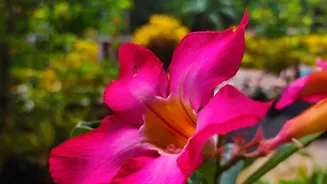




The Golden Transition
September marks the end of the monsoon and the beginning of autumn in India. This period, described in the Indian calendar as the 'Bhadra-Ashvin' transition, brings pleasantly warm days and diminishing rainfall. The residual moisture in the soil from
the monsoon, combined with milder temperatures, creates the ideal conditions for a new planting season. It’s a time of recovery and preparation, where gardeners can address the impacts of heavy rain and lay the groundwork for cool-season crops. Rather than winding down, this is the month to get busy planning for a flourishing winter garden.
Sow These Winter Flowers Now
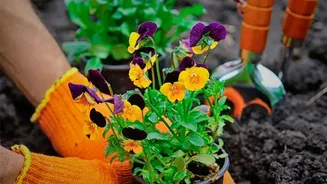
To ensure a garden bursting with colour during the winter months, September is the ideal time to sow seeds for many flowering annuals. Marigold (Genda) is a classic choice, known for its hardiness and vibrant colours, and can be sown from mid-September. Petunias, perfect for pots and hanging baskets, also thrive when planted now, producing dozens of flowers per plant. Other excellent options to sow in September include the cheerful and hardy Pansy, medicinal Calendula (Pot Marigold), fragrant Sweet Pea, and colourful Dianthus. Starting these from seed in September allows them to establish strong roots before the cooler weather sets in, promising a spectacular display from winter through spring.
Your Winter Vegetable Patch Starts Here
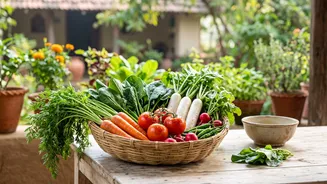
September is also the prime time for sowing a wide variety of cool-season vegetables. Leafy greens are a great place to start. Spinach (Palak) is one of the easiest to grow, and sowing seeds now can provide a steady supply in as little as 30-40 days. Lettuce is another excellent choice, as it prefers the cooler, sunny weather of autumn and is less likely to bolt. This is also the perfect month to plant root vegetables like carrots, radishes, and beetroot. For those who enjoy cruciferous vegetables, seeds for cabbage, cauliflower, and broccoli should be started now, often in seed trays for transplanting later. Other staples like beans, peas, and coriander also thrive when sown in September's mild climate.
Essential Post-Monsoon Garden Care
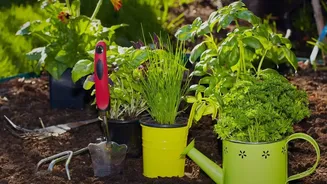
After months of heavy rain, your garden will need some attention to recover and prepare for new growth. The first step is to address soil health. Heavy rains can compact the soil and wash away essential nutrients. Gently loosen the topsoil with a garden fork to improve aeration and help roots breathe. Replenish lost nutrients by incorporating well-rotted compost or organic manure. This is also a crucial time for pest management. Humidity after the monsoon can lead to fungal diseases and attract pests. Proactively spraying neem oil weekly can help prevent common issues like aphids and mites. Ensure proper drainage, especially in pots, to prevent waterlogging, which can lead to root rot. Using raised beds or simply ensuring drainage holes are clear can make a significant difference.
A Note on Regional Timings
While this guide provides a general framework, India's diverse climate means planting times can vary. In North India, the transition to a cool autumn makes it ideal for starting winter vegetables and flowers. In the south and in coastal regions where winter is milder, the post-monsoon period is still an excellent time for planting, but the selection of heat-tolerant varieties might be more critical. Always consider your local conditions. For example, states like Maharashtra, Karnataka, and West Bengal are suitable for growing cabbage and capsicum in September. Ultimately, observing your own garden's microclimate is the key to success.