


The Numbers Behind the Boom
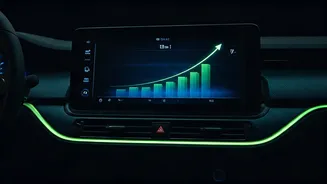
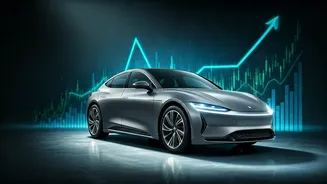
June 2026 set a new benchmark for the Indian electric vehicle industry, with total registrations crossing the 30,000-unit mark for the first time. According to data from the Vahan portal, 31,253 electric passenger vehicles were sold, representing a staggering
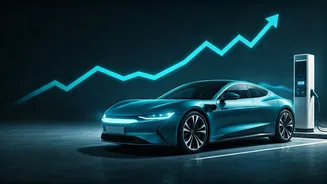
106% year-on-year growth compared to the 15,203 units sold in June 2025. This wasn't just an annual jump; the market also saw a healthy 12% month-on-month increase from May 2026, which was itself a record month. This sustained momentum indicates that the adoption of electric cars is moving beyond early enthusiasts and entering the mainstream market. Projections suggest that the full year could see total electric passenger vehicle sales cross the 300,000 mark for the first time, a significant leap from just under 200,000 units in 2025.
The Titans of the EV Market
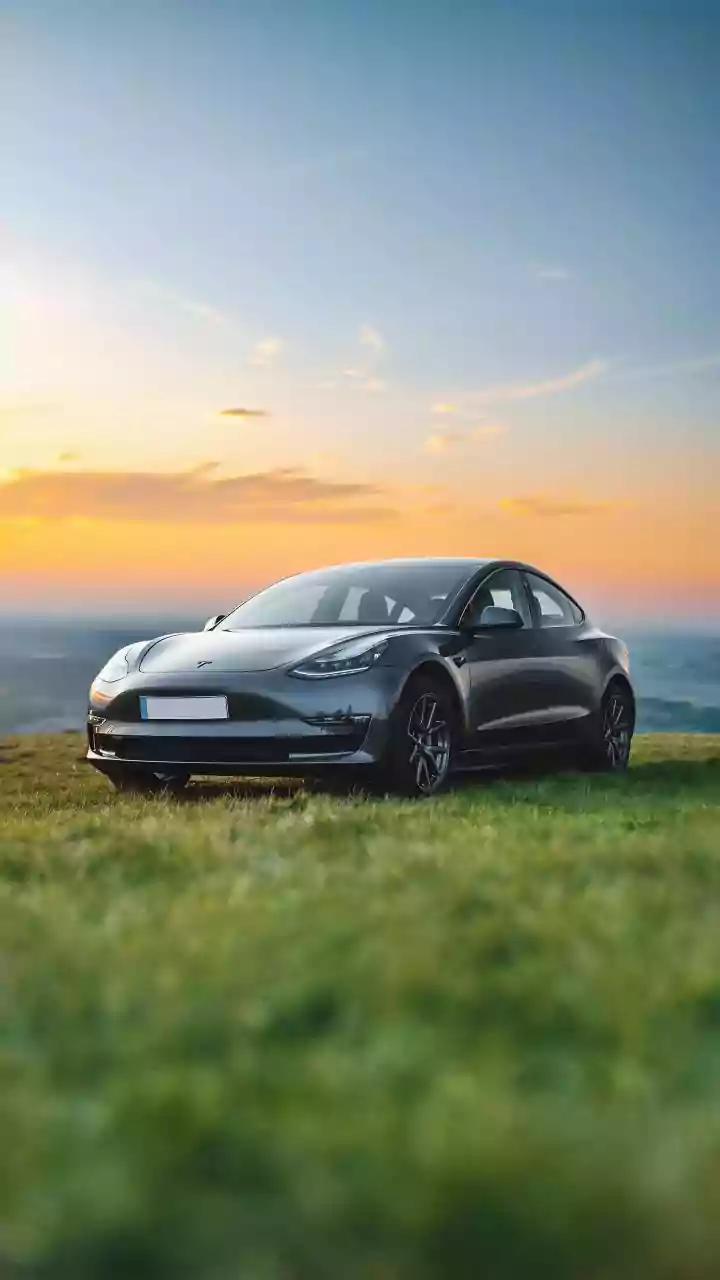
Driving this unprecedented growth are two homegrown auto giants: Tata Motors and Mahindra & Mahindra. Tata Motors continues its reign as the undisputed leader, solidifying its position by selling over 12,000 EVs in a single month for the first time ever. The company's sales of 12,023 units in June marked a 125% year-on-year increase, giving it a commanding 38% market share. Models like the Punch EV and Nexon EV have been instrumental in this success, appealing to a wide range of buyers, including many first-time EV owners. Not far behind, Mahindra & Mahindra has also hit a new milestone, crossing 7,000 monthly EV sales for the first time. Its 7,645 units sold in June represent a 118% year-on-year surge, securing a 24% market share. The strong performance of its newer models shows its investment in a dedicated EV platform is paying off. Together, these two companies are powering the lion's share of India's EV story. Other players like JSW MG Motor India, which sold 5,785 units, also contributed significantly to the record month.
What's Fuelling the Electric Charge?
Several factors are converging to create this perfect storm for EV adoption. Persistently high prices for petrol and diesel have made the lower running costs of EVs more attractive than ever to cost-conscious Indian consumers. The total cost of ownership is increasingly tilting in favour of electric models. Secondly, government support through policies like the FAME India Scheme and various state-level subsidies continues to make the higher upfront cost of EVs more manageable. Finally, the market is maturing rapidly in terms of product offerings. The number of available electric car models has doubled in the last two years, with many more launches planned, especially in the more accessible sub-15 lakh segment. This expanding choice, combined with advancements in battery technology that offer longer driving ranges of 300-450 km for mid-range models, is effectively tackling the long-held concern of range anxiety.
The Road Ahead: Challenges and Opportunities
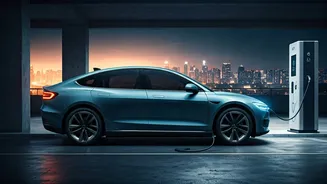
While the recent registration numbers are cause for celebration, the path to mass electrification is not without its bumps. The charging infrastructure, while growing, remains unevenly distributed, which can still be a deterrent for potential buyers, particularly outside of major urban centres. The upfront cost of an electric car, though decreasing, remains a significant hurdle for a large portion of the market when compared to equivalent internal combustion engine (ICE) vehicles. However, the industry is actively addressing these issues. Battery costs are on a downward trend, charging networks are expanding through both public and private investment, and manufacturers are committed to launching more affordable models. With a strong first half of the year and the traditionally high-selling festive season ahead, 2026 is shaping up to be a landmark year, marking the moment electric cars truly arrived in India.