
Where India Greets the Sun First
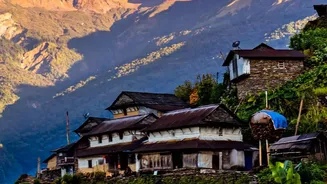
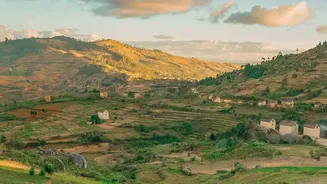
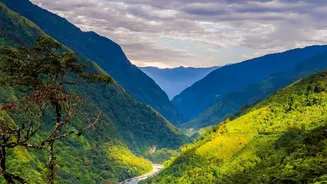
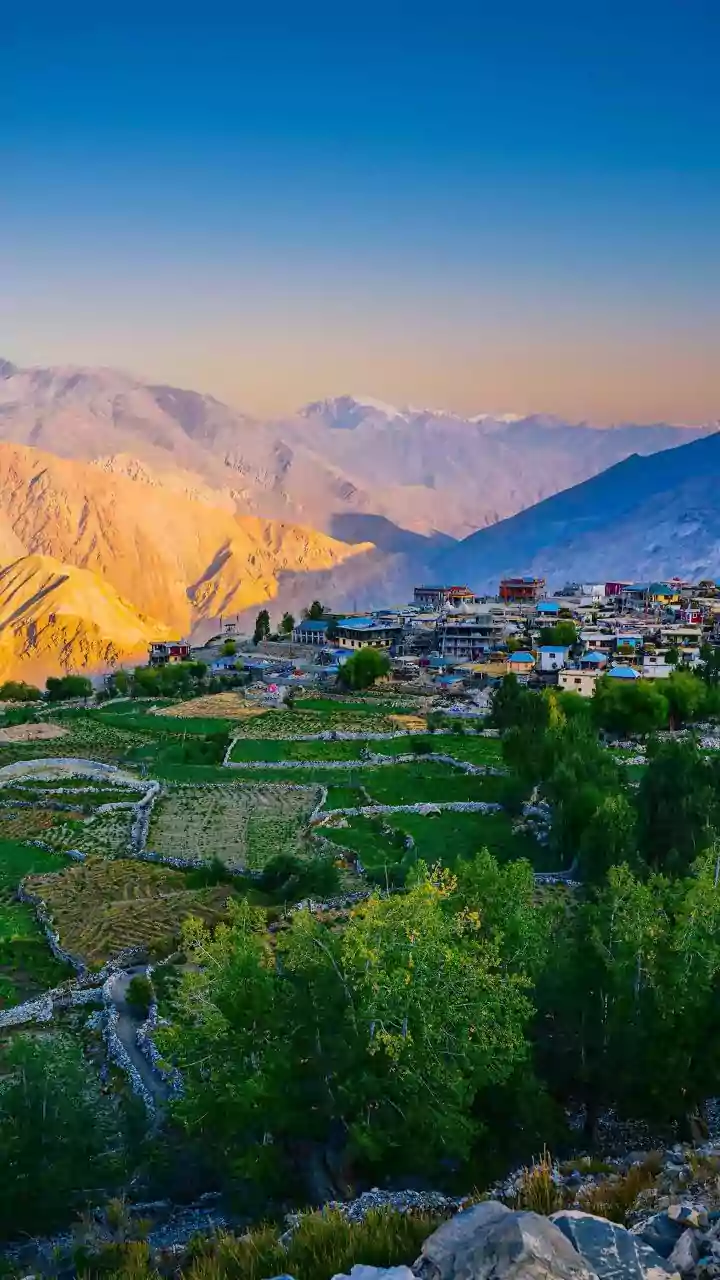
Nestled in the remote Anjaw district, Dong Valley holds the distinct honour of being the first inhabited place in India to witness the sunrise each day. Perched at an altitude of 1,240 metres, this picturesque valley is situated at a strategic tri-junction
where India, China, and Myanmar converge. The area is inhabited by the Meyor tribe, a small community living in the village of Dong, which comprises just a handful of families. It was in 1999 that Dong was officially recognised for experiencing the country's first dawn, transforming it from a secluded hamlet into a bucket-list destination for intrepid travellers and photographers seeking to capture the nation's earliest light.
The Journey Before the Dawn
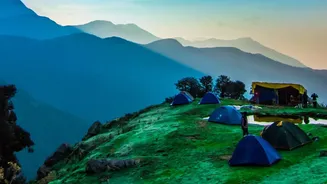
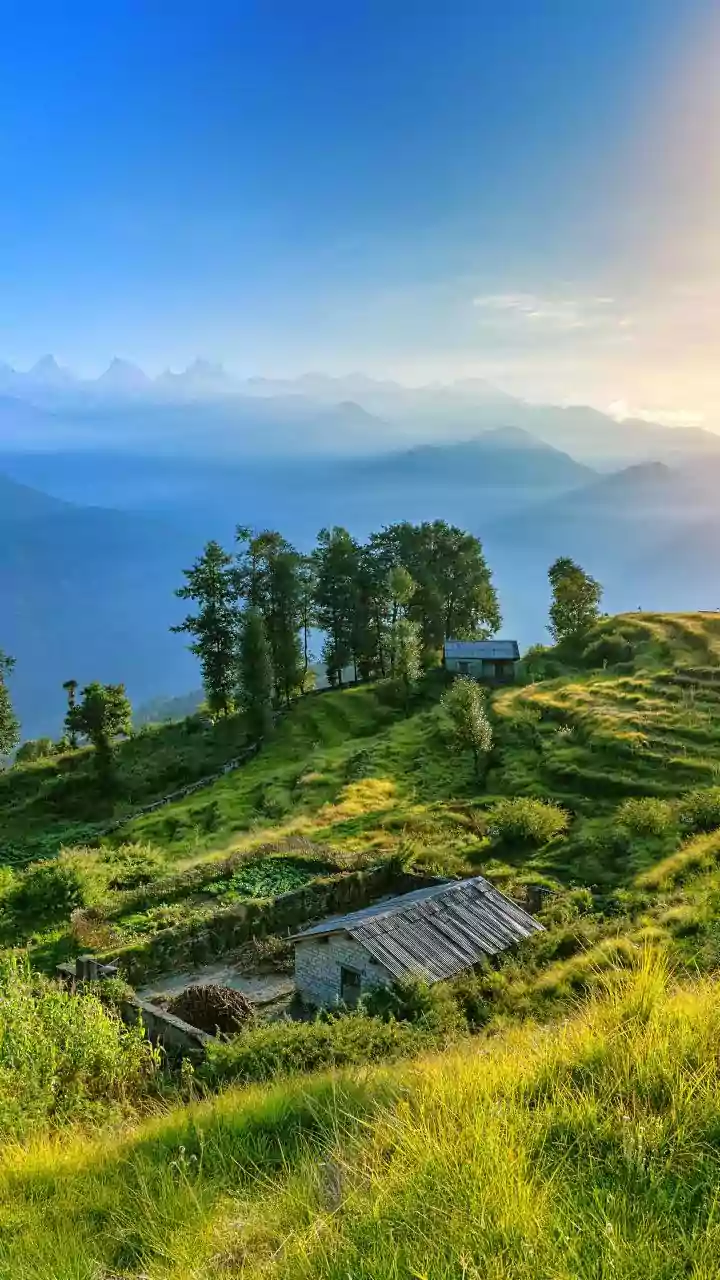
Witnessing this spectacle is not for the faint-hearted; it is an experience that must be earned. The journey begins from Walong, the nearest town that serves as a base for visitors. To catch the sunrise, which can happen as early as 4 AM in summer, travellers must start their trek in the dead of night, typically around 2 AM. The trek itself is a short but steep climb of about 90 minutes through fragrant pine forests and sprawling grasslands. Guided by torchlight under a starlit sky, the ascent in the quiet pre-dawn hours builds a palpable sense of anticipation for the main event. The destination is a vast open meadow on a ridge that offers an unobstructed, panoramic view of the horizon.
A Symphony of Light and Colour
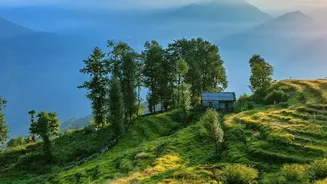
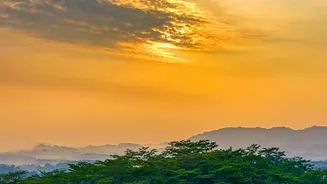
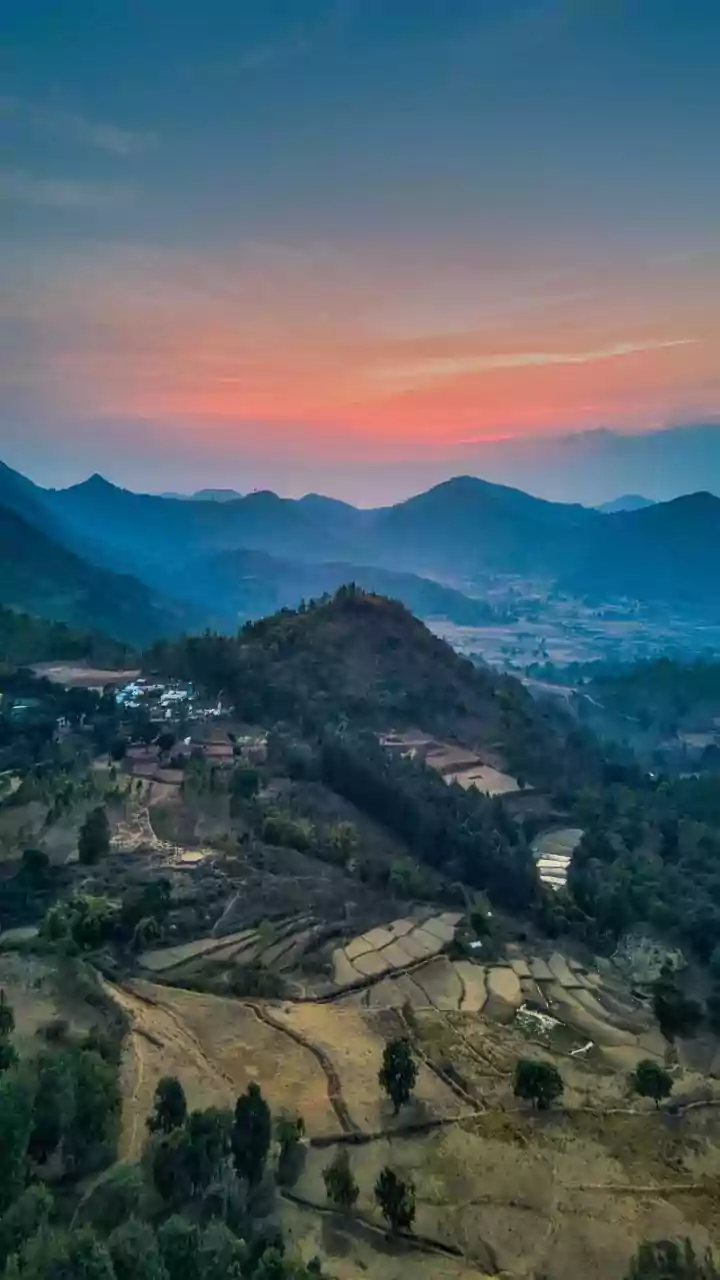
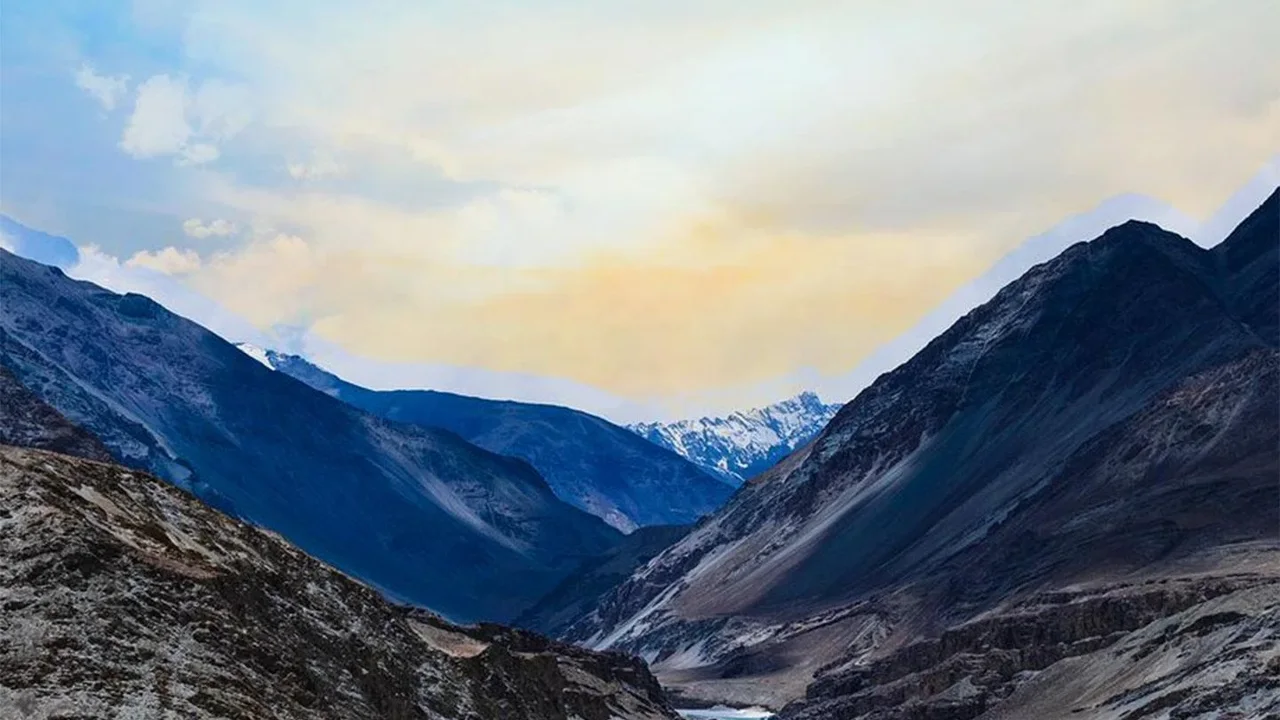
As the moment arrives, the sky transforms from deep indigo to fiery gold, casting its first rays over the Mishmi Hills. The sun appears, illuminating the stunning landscape below, including the confluence of the Lohit and Sati rivers that glint in the newfound light. What makes the experience so profound is the serene atmosphere; the air is crisp and cool, filled only with the sounds of nature. For those few minutes, as the valley awakens, you are witnessing a moment of pure, unspoiled natural beauty that the rest of the country will not see for another hour or two. It is a tranquil, almost spiritual experience that rewards the arduous journey with a memory that lasts a lifetime.
Beyond the Sunrise
While the sunrise is the main draw, the Anjaw district offers more to explore. Walong itself is a town steeped in history, known for the Battle of Walong during the 1962 Indo-China War, and a war memorial stands as a tribute to the soldiers. Nearby, you can visit Kibithu and Kaho, the easternmost motorable village in India. For relaxation after the trek, a natural hot spring known as Tilam or 'Garam Pani' offers therapeutic, mineral-rich waters. These surrounding attractions provide a deeper look into the region's culture, history, and strategic importance.
How to Plan Your Trip
Planning an expedition to Dong Valley requires careful preparation. The best time to visit is from October to February, when the skies are generally clear. The journey begins by reaching Dibrugarh in Assam, which has the nearest major airport and railway station. From there, it's a multi-day road trip to Walong via towns like Tezu and Hayuliang. Staying in a homestay in Walong is the most convenient option. All Indian tourists require an Inner Line Permit (ILP) to enter Arunachal Pradesh, which can be obtained online. For visiting sensitive border areas like Dong, an additional Protected Area Permit (PAP) may be necessary. Foreign nationals require a PAP and must travel with a registered tour operator. Remember to pack warm clothes, trekking shoes, a torch, and a camera to capture the unforgettable dawn.