



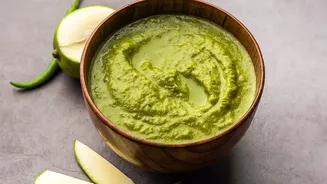

The Foundation: Fresh, Vibrant Herbs
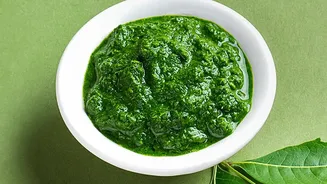
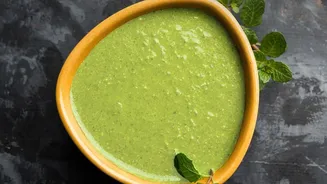
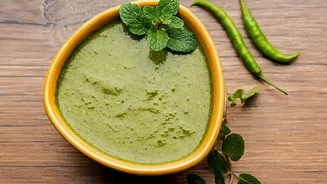
The soul of any green chutney is the herbs, and their quality is non-negotiable. For the classic Indian hari chutney, this means a combination of fresh coriander (dhaniya) and mint (pudina). Always select bright green, perky bunches. Avoid any leaves
that are wilted, yellowed, or bruised, as they will lead to a duller colour and a less vibrant flavour. While coriander's tender stems are packed with flavour and can be included, the thicker stems of mint should be discarded as they can lend a bitter taste. A common ratio is two parts coriander to one part mint, which provides a robust herby base with a refreshing lift, preventing the mint from overpowering the mixture and causing bitterness. Rinsing the herbs thoroughly and draining them well is a critical first step to control water content from the start.
The Texture Secret: Minimal Water
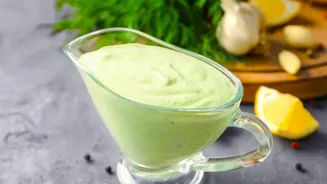
One of the most common mistakes in chutney making is adding too much water, resulting in a runny, diluted final product. The goal is to add just enough liquid to allow the blender to create a smooth paste, but no more. Start with only a tablespoon or two of cold water. Scraping down the sides of the blender jar frequently helps the blades catch all the ingredients without needing excess liquid. For a thicker, creamier consistency, consider smart alternatives to water. A spoonful of plain yogurt (dahi) or a few roasted peanuts or fried chana dal can add body and help emulsify the chutney. These additions not only improve texture but also contribute to the flavour and can help balance any potential bitterness.
The Colour Guard: Cold is Key
The dreaded browning of green chutney is due to oxidation, a natural process that occurs when the cut herbs are exposed to air and heat. The key to preventing this is to keep everything as cold as possible. One of the most effective tricks used by chefs and home cooks is to add one or two ice cubes to the blender along with the other ingredients. The ice keeps the temperature down as the blender blades create friction and heat, which would otherwise 'cook' the delicate herbs and cause them to darken. Using ice-cold water instead of room temperature water is another simple but effective measure. Adding an acidic element like lemon or lime juice at the end of blending also helps preserve the vibrant green colour and adds a necessary tangy brightness to the flavour profile.
Perfecting the Blend and Flavour
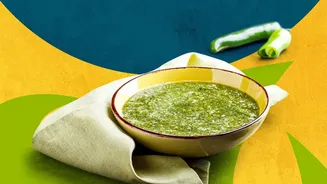
Beyond the core trio of herbs, water, and temperature, other ingredients are crucial for that perfect balance. Green chillies provide the heat, while a small piece of ginger and a clove of garlic add pungency and depth. A pinch of sugar can help balance the flavours and counter any bitterness from the mint, while black salt (kala namak) offers a unique sulfuric note that is characteristic of many chaat chutneys. Be careful not to over-blend. Running the mixer for too long not only generates heat but can also release bitter compounds from the mint leaves. Blend only until the chutney is smooth, and then stop.
Smart Storage for Lasting Freshness
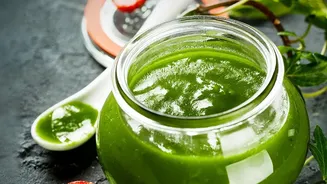
Once you've made your perfect chutney, proper storage is essential to maintain its colour and flavour. For short-term use, store the chutney in a clean, airtight glass jar in the refrigerator, where it will stay fresh for three to five days. For long-term storage, the freezer is your best friend. A popular and highly effective method is to pour the fresh chutney into an ice cube tray. Once the cubes are frozen solid, transfer them to a ziplock bag. This allows you to thaw just the amount you need, keeping the rest perfectly preserved for months. Simply take out a cube or two and let it thaw at room temperature or in the fridge before serving.