
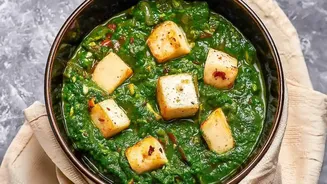
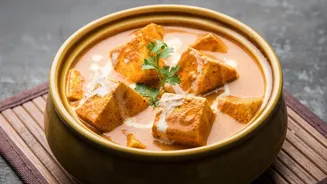
The Paneer Predicament
For years, a quiet deception has been playing out in markets and restaurants across Maharashtra. Consumers buying paneer, a staple in many Indian households, were often receiving a product made not from pure milk, but from cheaper substitutes like vegetable
oil, starch, and milk powder. This 'analogue paneer' mimics the look and feel of the real thing but is nutritionally inferior and, in some cases, potentially harmful. The practice was widespread, driven by the significant cost difference; analogue products can be 30-50% cheaper to produce than genuine dairy paneer. This left consumers paying for a premium milk product but receiving a low-cost substitute, often without their knowledge or consent.
What the New Rule Says
In a decisive move to protect consumers, the Maharashtra Food and Drug Administration (FDA) has imposed a one-year ban on the manufacture, storage, sale, and distribution of analogue paneer. The order, issued by FDA Commissioner Tukaram Munde, came into effect on July 30, 2026, following extensive testing. Between April 2025 and March 2026, the FDA found that over 35% of 308 paneer samples tested failed to meet standards, with many being classified as substandard or unsafe. The ban isn't just on retail packs; it extends to hotels, restaurants, and caterers, who are now prohibited from using these non-dairy substitutes. Violators face severe penalties, including fines and imprisonment, underscoring the seriousness of the issue.
Milk Fat vs. Vegetable Fat
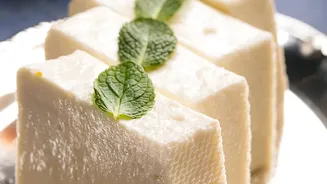
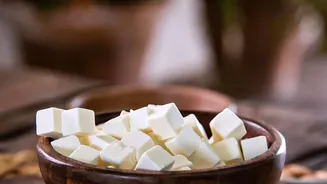
The core of the issue lies in the ingredients. Real paneer, as defined by the Food Safety and Standards Authority of India (FSSAI), must be made from milk without added non-dairy fats. It is a rich source of protein and calcium. Analogue paneer, however, replaces milk fat with vegetable fats, which can include hydrogenated oils containing unhealthy trans fats. Not only does this drastically lower the nutritional value, but it also alters the product's quality. While genuine paneer has a soft, crumbly texture and a fresh milky aroma, its analogue counterpart can feel rubbery, taste soapy, and lack any real flavour. The ban seeks to eliminate this nutritional and sensory fraud from the market.
Your Rights as a Consumer
This ban empowers you, the consumer. The core principle is transparency. While the FSSAI permits the sale of analogue products, they must be clearly labelled as such and cannot be passed off as 'paneer'. Before the ban, many establishments, from small eateries to large caterers, were found to be using these substitutes without informing customers. The new regulation puts an end to this ambiguity. It ensures that when you buy or order paneer, you are getting a product made from milk fat, as legally defined. Consumer groups and hotel associations have welcomed the move, highlighting that public health and honest business practices should not be compromised.
How to Identify Pure Paneer
Even with the ban, it pays to be a vigilant consumer. To check paneer at home, you can perform simple tests. The iodine test, for instance, can detect starch; a few drops of iodine on a boiled and cooled paneer sample will turn it blue or black if starch is present. Texture is another clue: real paneer is soft and slightly grainy, while fake paneer can feel rubbery or overly smooth. Smell is also an indicator; genuine paneer has a mild milky scent, whereas adulterated versions may have a chemical or soapy smell. Ultimately, buying from trusted, FSSAI-licensed brands is one of the safest bets.