

The Powerhouse Grain: Why Choose Ragi?
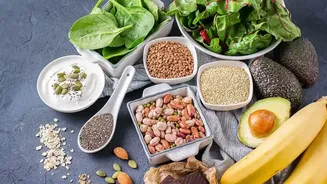
Before diving into recipes, it’s worth knowing why ragi is celebrated. This gluten-free grain is a nutritional heavyweight. It is exceptionally rich in calcium, which is vital for bone health. Compared to other common grains like wheat and rice, ragi offers
significantly more dietary fibre, which aids digestion and promotes a feeling of fullness, making it a great ally for weight management. It's also a good source of iron, helping to combat anaemia. With a low glycemic index, ragi releases sugar into the bloodstream slowly, supporting stable energy levels and making it a suitable choice for individuals managing their blood sugar.
Getting Started: Ragi Flour or Whole Grains?
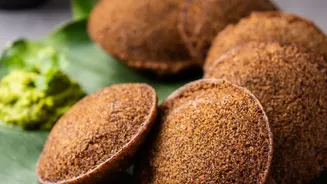
Ragi is most commonly available as flour (ragi atta), which is convenient for making everything from rotis to dosas. You might also find whole ragi grains. Whole grains can be soaked and ground to make fresh batter for dishes like idlis and dosas, a process that enhances nutrient absorption. For beginners, ragi flour is the easiest starting point. When buying flour, look for a fresh batch, as older flour can sometimes taste slightly bitter. Roasting the flour lightly in a dry pan for a few minutes before use can remove any raw taste and bring out its pleasant, nutty flavour.
The Morning Boost: Simple Ragi Malt
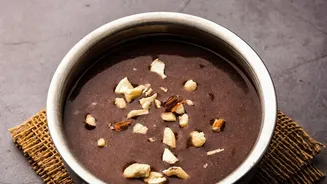
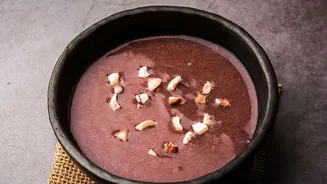
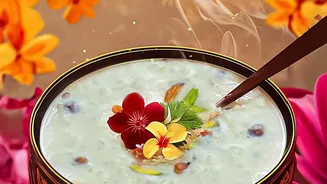
One of the simplest ways to introduce ragi into your diet is by making a warm, comforting porridge, often called Ragi Malt. To prepare it for one person, mix two tablespoons of ragi flour with a little cold water to form a smooth, lump-free paste. In a separate pot, bring one cup of milk or water to a gentle boil. Slowly pour the ragi paste into the boiling liquid, whisking continuously to prevent clumps. Cook on a low flame for 5-7 minutes until the mixture thickens and turns glossy. Sweeten with jaggery or sugar to your liking and add a pinch of cardamom powder for flavour. You can also make a savoury version with buttermilk and salt.
For Lunch & Dinner: Soft Ragi Roti
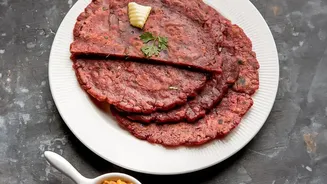
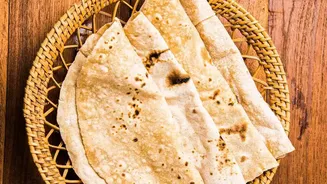
Many people struggle with ragi rotis turning dry and hard. The secret to soft rotis lies in the preparation of the dough. Since ragi flour is gluten-free, it doesn't bind like wheat flour. To make the dough pliable, always use hot water. For two rotis, boil about one cup of water with a pinch of salt and half a teaspoon of oil or ghee. Once boiling, turn off the heat and add about one cup of ragi flour. Mix it with a spoon until it comes together, then cover and let it rest for 5-10 minutes. Once it's cool enough to handle, knead it well into a soft, smooth dough. Roll out the rotis using a little dry flour for dusting and cook on a hot tawa on both sides.
The Quick Fix: Instant Ragi Dosa
When you're short on time, an Instant Ragi Dosa is a fantastic, healthy meal. Unlike traditional dosas, this version requires no grinding or fermentation. To make the batter, combine half a cup of ragi flour with a quarter cup of rice flour for crispiness. To this, you can add finely chopped onions, green chillies, cumin seeds, and coriander leaves for flavour. Whisk everything together with water to form a very thin, runny batter, similar in consistency to buttermilk. Let it rest for 15 minutes. Heat your tawa until it's very hot, stir the batter well, and pour it from a height onto the tawa to create a lacy, crisp dosa. Cook on medium heat until the edges lift, then flip and cook briefly on the other side.
Beyond the Classics: Modern Ragi Snacks
Ragi's versatility extends far beyond traditional recipes. You can easily substitute a portion of regular flour with ragi flour in many of your favourite snacks. Try making ragi pancakes by adding ragi flour to your regular pancake batter with mashed banana for natural sweetness. It also works wonderfully in baked goods like cookies, muffins, and even chocolate cake, lending them a unique, earthy flavour and a nutritional boost. For a simple savoury snack, you can make a quick ragi upma or add it to a vegetable handvo or thalipeeth batter for a filling and wholesome treat.