




A Splash of Colour in a Diplomatic Hub
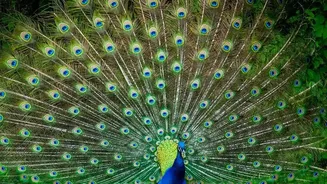
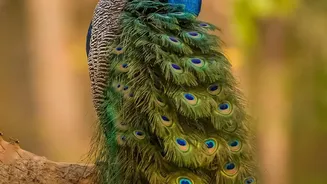
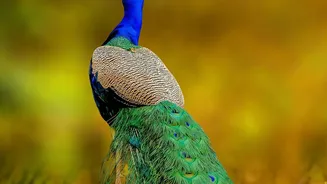
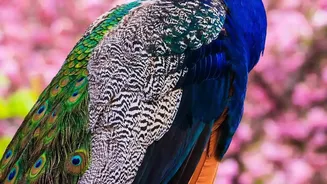
In early August 2026, India formally presented five young Indian peacocks to the United Nations Office at Geneva (UNOG). The flock, consisting of four blue peacocks and one rare white male, was handed over by India's Permanent Representative, Arindam
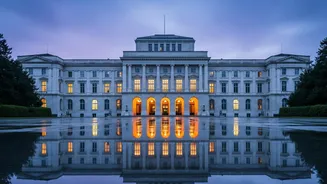
Bagchi, to the UN Geneva Director-General, Tatiana Valovaya. This gesture was designed to replenish the dwindling peafowl population in Geneva's Ariana Park, which surrounds the Palais des Nations, or Palace of Nations. Before this gift, only a single bird remained. The new arrivals will spend about three months in a temporary aviary to acclimate before they are allowed to roam freely across the park's 46-hectare grounds. The colour choice was also symbolic, with the blue and white feathers echoing the official colours of the United Nations.
The Art of Wildlife Diplomacy
This act is a prime example of 'wildlife diplomacy,' a form of soft power where nations gift animals to foster goodwill and strengthen relationships. Unlike hard power, which relies on military or economic might, soft power uses culture, political values, and foreign policy to build networks and influence. Gifting an animal, especially a national symbol, is a powerful, non-confrontational way to communicate friendship, trust, and cultural pride on the global stage. The UN Geneva itself noted the gesture with a playful comment: "Move over, panda diplomacy." This highlights how these living ambassadors can capture public imagination and generate positive press in a way that traditional diplomatic communiqués rarely do. The timing of the gift, just before a major UN summit on AI, was seen by some observers as a diplomatic overture meant to create a cooperative atmosphere.
A Tradition of Animal Ambassadors
For India, this is a well-established practice. In the years following Independence, Prime Minister Jawaharlal Nehru famously engaged in 'elephant diplomacy,' gifting baby elephants to zoos and nations around the world, including Canada, China, and the United States. These gestures were incredibly effective, generating immense positive publicity and framing the young nation as generous and friendly during the tense Cold War era. The peacock gift to Geneva is itself a revival of a decades-old tradition. In 1981, then-Prime Minister Indira Gandhi sent a breeding pair of peafowl from the Delhi Zoo to the very same UN grounds, establishing a precedent that is now being honoured and continued.
Why Peacocks, Why Geneva?
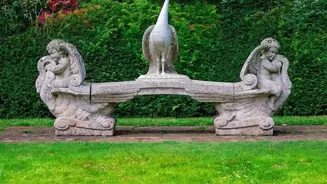
The choice of animal and location is highly symbolic. The Indian Peafowl, or Pavo cristatus, was declared India's national bird in 1963 and is deeply woven into the nation's cultural and religious fabric, representing grace, beauty, and resilience. Gifting this particular bird is a way of sharing a piece of India's soul. The destination is equally significant. Geneva is a primary hub of global diplomacy, home to the UN's European headquarters and numerous international organizations. Placing the peacocks in Ariana Park ensures they will be seen by diplomats, delegates, and visitors from around the world. Moreover, the park has a long history with these birds. Its original owner, Gustave Revilliod, stipulated in his 1890 bequest to the city that peacocks should always roam the grounds freely, making India's gift a continuation of a cherished local tradition as well as a diplomatic one.
More Than Just Pretty Feathers
Beyond the goodwill, this gesture serves India's strategic interests. It reinforces the country's commitment to multilateralism and its partnership with the United Nations. It showcases India's rich biodiversity and its dedication to conservation at a time when environmental issues are a global priority. In a world of complex and often contentious international relations, such acts of cultural diplomacy create lasting positive impressions. They build bridges at a human level, fostering an environment of cooperation that can smooth the path for more difficult negotiations on trade, security, and technology. The arrival of these five birds may seem like a small event, but in the nuanced world of international affairs, it is a quiet but confident projection of India's identity and its friendly approach to the world. As a testament to their new public life, the UN plans to launch a competition to name its five newest, most dazzling diplomats.