
A Milestone in Motion
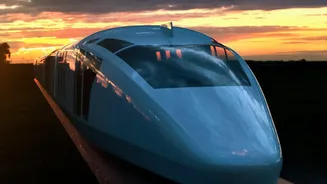
The announcement by Railway Minister Ashwini Vaishnaw that the first test coach has been manufactured is a landmark moment for the project. This isn't just any railway car; it's the forerunner of a new era in Indian travel, specifically built to test the system's
capabilities. While it's a development milestone and not a passenger-ready train, its completion signifies that the complex engineering and manufacturing processes are bearing fruit. This coach will undergo rigorous structural and track testing to ensure everything is perfect before the full trainsets arrive and services commence. This step moves the project from blueprints and construction sites into the realm of actual, moving hardware.
The Surat-Bilimora Priority Section
The first stretch of the bullet train network to become operational will be the approximately 50-kilometre section between Surat and Bilimora in Gujarat. This section is targeted for commissioning in August 2027, making it the debut route for high-speed rail in India. The strategy is to open the corridor in phases, allowing services to begin on completed stretches while work continues elsewhere. Civil construction on the adjacent Vapi-Surat section is also advancing rapidly and is expected to be finished by December 2026, paving the way for linking these key economic hubs in South Gujarat. This phased approach ensures that the benefits of the project are delivered to the public as early as possible.
Japanese Technology, Indian Conditions
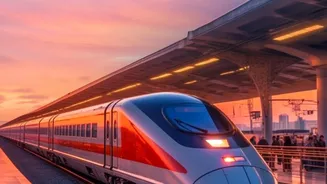
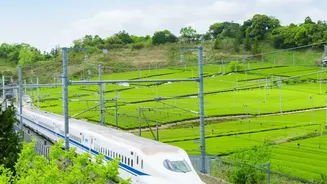
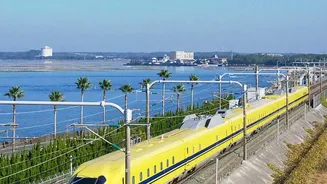
The trains running on this corridor will be the world-renowned E5 series Shinkansen from Japan, a symbol of safety and efficiency in high-speed travel. These trains are designed to operate at speeds of up to 320 km/h, drastically cutting travel time. However, they are not being imported without change. The models for India are being specially modified to handle Indian conditions, including upgraded air conditioning systems to withstand temperatures over 50 degrees Celsius and fine mesh dust filters to protect critical equipment. The project leverages Japanese technology and financial assistance, but there is also a strong push for domestic manufacturing and knowledge transfer under the 'Make in India' initiative.
The Bigger Picture: Connecting Mumbai and Ahmedabad
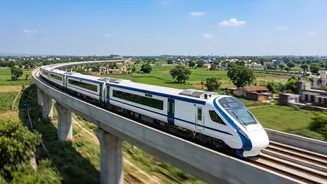
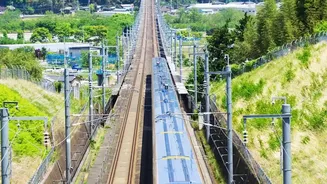
The Surat-Bilimora line is just the beginning. The entire Mumbai-Ahmedabad High-Speed Rail (MAHSR) corridor spans 508 kilometres, passing through Gujarat, Maharashtra, and Dadra and Nagar Haveli. It will connect 12 stations, including major hubs like Mumbai (BKC), Vadodara, and Sabarmati. The project is one of India's most ambitious infrastructure undertakings. As of late 2026, significant progress has been made, with hundreds of kilometres of viaducts and piers already constructed and numerous river bridges completed. The goal is to connect India's financial capital, Mumbai, with the economic powerhouse of Ahmedabad, creating a corridor for growth and development.
A Glimpse of the Future Journey
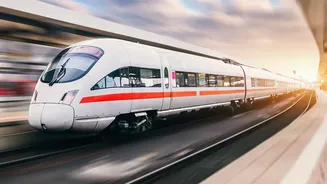
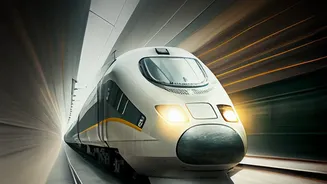
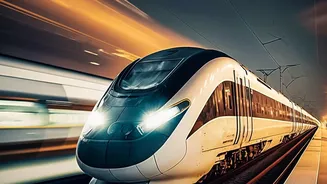
When passengers finally board, they can expect a world-class travel experience. The E5 Shinkansen trains are known for their comfort, featuring spacious, ergonomically designed seating, climate-controlled interiors, and modern amenities. The sleek, aerodynamic design with a distinctive long nose isn't just for looks; it minimises noise and ensures stability at high speeds. Advanced safety is a core feature, with anti-derailment mechanisms and cutting-edge signalling systems that have given the Shinkansen an unparalleled safety record globally. This project isn't merely about speed; it's about providing a safer, more reliable, and comfortable mode of transport that will redefine inter-city travel in India.