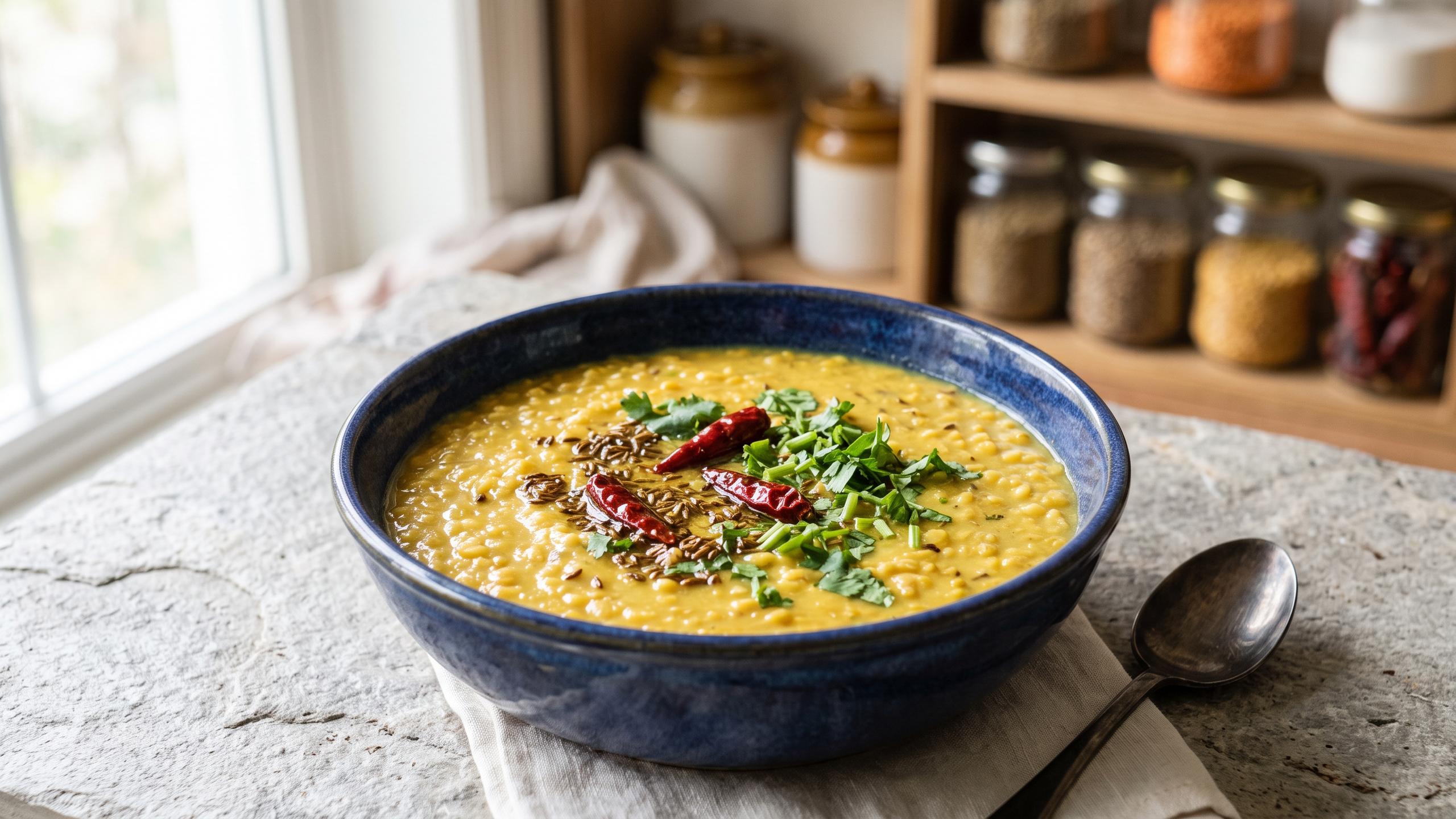

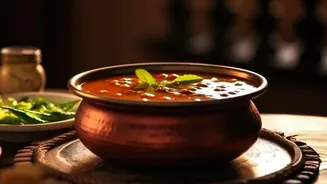
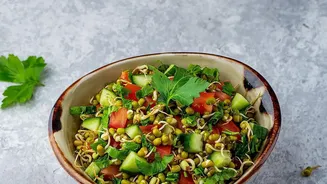
Moong dal soup is more than just a simple lentil dish; it is a canvas of flavours. This humble, protein-packed soup can transform from a light, comforting broth to a rich, spiced delicacy depending on the ingredients you choose to celebrate.
The Soulful, Homestyle Classic
The most fundamental
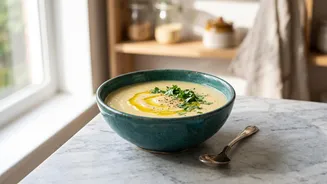
version of moong dal soup is a comforting, easy-to-digest dish often found in Indian homes. Made with yellow moong dal (split and skinned green gram), it’s cherished for its simplicity and nourishing qualities. The process is straightforward: the dal is cooked until mushy, often in a pressure cooker to save time, with little more than turmeric and salt. The magic happens in the 'tadka' or tempering. A spoonful of hot ghee is infused with cumin seeds and a pinch of asafoetida (hing), then poured over the cooked dal. This simple finish lends a wonderfully aromatic and earthy flavour that defines the classic homestyle soup. It's the taste of comfort, often served during recovery from illness or as a light meal.
A Tangy and Zesty Twist
For those who prefer a bit of a zing, moong dal soup readily embraces tangy flavours. The most common way to achieve this is by adding tomatoes during the cooking process, which break down and lend a subtle sweet-sour taste. A generous squeeze of fresh lemon or lime juice just before serving is another popular technique, instantly brightening the soup's flavour profile. In some regional variations, particularly in South India, tamarind extract is used to impart a deeper, more complex sourness, creating a dish closer to a 'rasam'. These tangy versions cut through the richness of the dal, making the soup feel even lighter and more refreshing.
The Fiery, Spiced Shorba
Moong dal can also be the base for a more robust and spicy 'shorba', a type of soup with Persian origins that was popularised in India during the Mughal era. This version is all about building layers of flavour. The process often starts by sautéing onions, ginger, garlic, and green chillies. Whole spices like cloves, peppercorns, and bay leaves can be added to the hot oil to release their fragrant oils. The addition of spice powders like garam masala, coriander powder, and chilli powder transforms the simple dal into a complex, aromatic, and fiery soup that pairs wonderfully with naan or bread.
Indulgently Rich and Creamy
To take moong dal soup into more decadent territory, a creamy element can be introduced. A popular method is to stir in coconut milk towards the end of the cooking process. This not only adds a velvety texture but also imparts a subtle sweetness that balances the earthy dal and any spices used. For a richer, North Indian style, a swirl of fresh cream can be added just before serving. Blending a portion of the cooked dal and vegetables is another technique to create a naturally creamy consistency without adding dairy or coconut milk. These versions feel more luxurious and make for a truly satisfying meal.
Loaded with Vegetables and Herbs
Moong dal soup is incredibly adaptable and serves as a perfect base for a variety of vegetables. Finely chopped carrots, beans, peas, and spinach can be cooked along with the dal, adding texture, colour, and a boost of nutrients. This turns the soup into a complete, onepot meal. The flavour can be further enhanced with fresh herbs. A generous garnish of fresh, chopped coriander is almost essential, providing a burst of freshness. Some recipes also call for curry leaves in the tempering or even a spoonful of hari cilantro chutney stirred in at the end for a tangy, herby kick.
Beyond the Soup Bowl
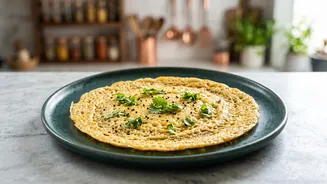
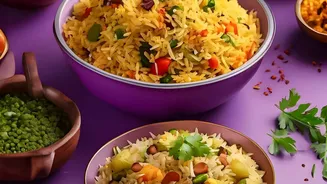
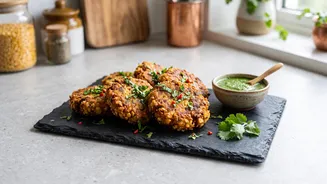
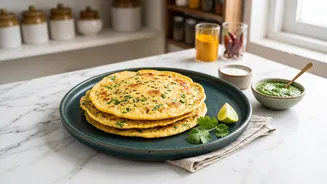
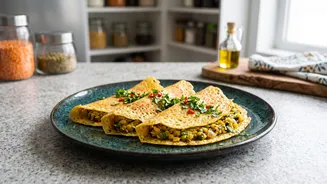
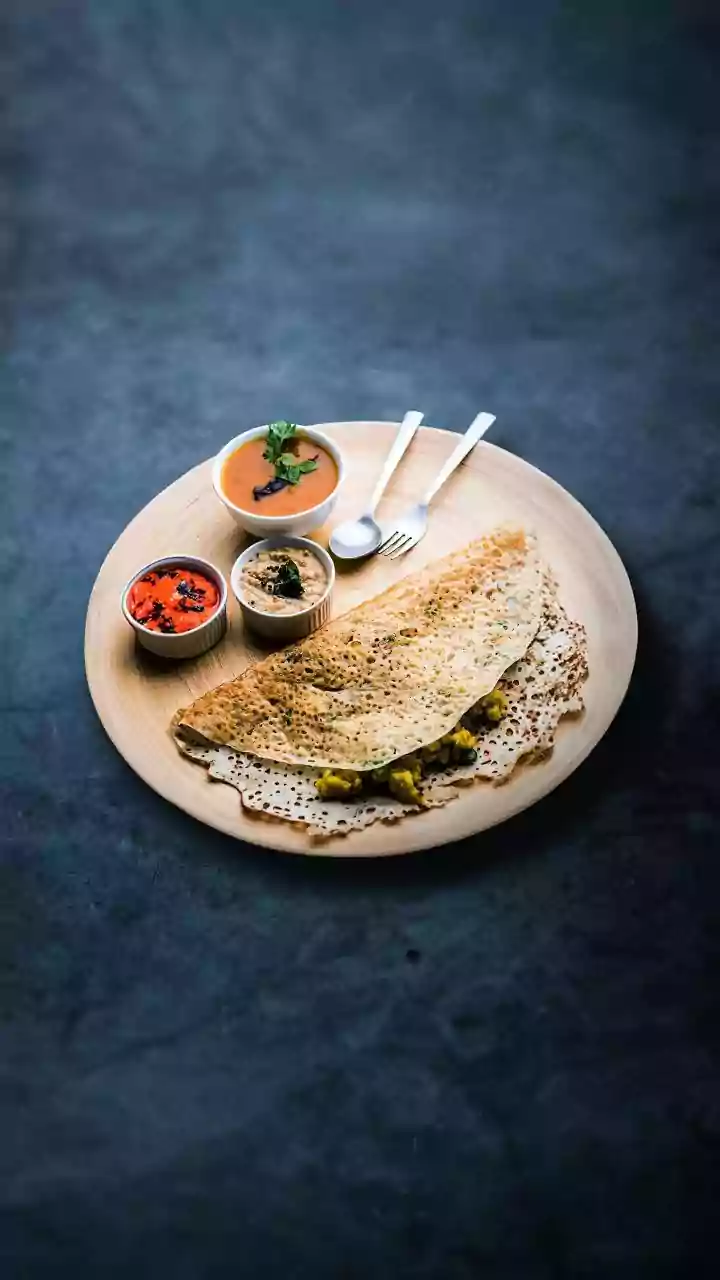
The versatility of moong dal doesn't end with soup. The same lentil is used across India in a myriad of other dishes. In South India, 'Pasi Paruppu Payasam' is a sweet pudding made with moong dal, jaggery, and milk or coconut milk. Moong dal 'sundal' is a simple and savoury snack where the cooked dal is tempered with spices and garnished with coconut. Moong dal is also the star in khichdi, dals, and even savoury pancakes. Each preparation showcases a different facet of this incredible legume, proving its indispensable role in Indian cuisine.