
The Salty, Crispy Foundation
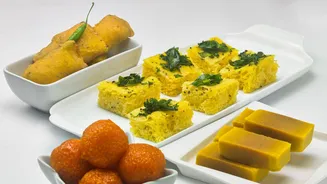
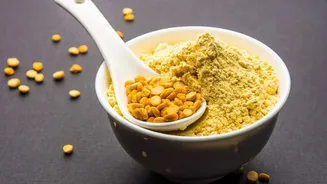
Let's begin with the fafda. This savoury, yellow-hued strip is a Gujarati specialty, crafted from gram flour (besan), carom seeds, and a hint of turmeric. When fried, it becomes exceptionally brittle and light, shattering with a satisfying crunch. The
primary sensation is savoury and salty, a simple but grounding flavour that prepares the palate. On its own, fafda is a delightful, crispy snack. But its true purpose is to be a partner, a perfect, plain canvas awaiting its vibrant, sweet counterpart. The texture is key: it’s dry, airy, and dissolves quickly, leaving behind a subtle, spiced saltiness that begs for something to cut through it.
The Sweet, Syrupy Swirl
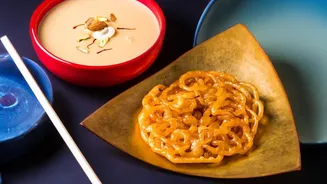
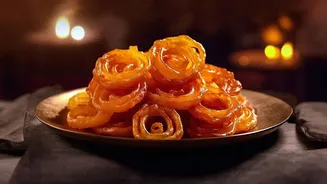
Enter the jalebi. A radiant, spiral-shaped confection, jalebi is fafda’s polar opposite. Made from a fermented batter of refined flour that is deep-fried into its signature shape, it’s then plunged into a fragrant sugar syrup. The result is a textural marvel: a thin, crispy exterior that gives way to a soft, slightly chewy interior, all of which is saturated with sweetness. The first bite releases a burst of sugary syrup, a rush of pure indulgence. While fafda is linear and salty, jalebi is complex and intensely sweet, with a history tracing back to West Asia. It’s the undisputed star of the show, but a star that shines brightest with its supporting act.
A Masterclass in Contrast
The magic happens when you eat them together, as intended. Taking a piece of the crunchy, salty fafda and following it with a bite of the warm, syrupy jalebi creates a sensory explosion. The culinary principle at play is the power of contrast. The crispiness of the fafda is immediately softened and complemented by the moist, chewy jalebi. The saltiness of the gram flour snack cuts through the intense sweetness of the dessert, preventing either from becoming overwhelming. This interplay keeps your palate engaged. One moment it’s a savoury crunch, the next a sweet, syrupy release. It is this constant textural and flavour shift within a single eating experience that makes the combination so addictive and prevents palate fatigue.
The Essential Companions
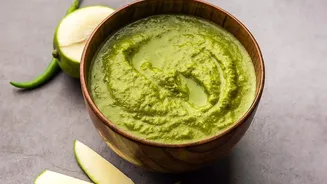
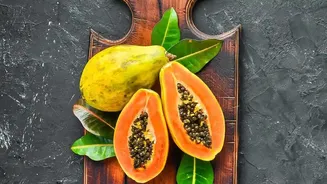
But the symphony doesn't end there. A complete plate of jalebi-fafda is served with crucial accompaniments that add even more layers of texture and taste. The most common is a 'sambharo', a lightly sautéed, crunchy salad typically made from grated raw papaya and green chillies. This introduces a fresh, fibrous crunch and a hint of spice. Alongside it are often fried green chillies, offering a sharp, fiery kick for those who dare. Sometimes, a thin, tangy kadhi is also served. A bite might now consist of crispy fafda, soft jalebi, crunchy sambharo, and a punch of chilli heat—a truly multifaceted experience that elevates the duo into a full-fledged meal.
A Tradition Steeped in Culture
Beyond the brilliant food science, the popularity of jalebi-fafda is cemented by deep cultural roots. In Gujarat, it is the quintessential breakfast on Sunday mornings and a non-negotiable tradition on the festival of Dussehra. The practice is rooted in beliefs and customs; some say it celebrates Lord Rama's victory, with the sweet jalebi symbolizing celebration after a period of fasting. Tradition dictates that a Navratri fast should be broken with a food made from gram flour, making fafda the perfect choice. This ritual turns a simple snack into a shared community experience, binding families and friends together over a plate of perfectly balanced contrasts.