


Why the Return to Tradition?
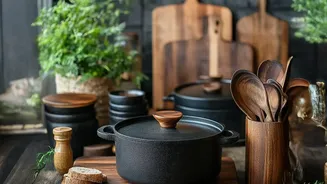
The resurgence of cast iron isn't just about recreating grandmother's recipes. It's a conscious choice. Growing health awareness has made consumers wary of synthetic non-stick coatings that can degrade over time. Cast iron offers a chemical-free alternative
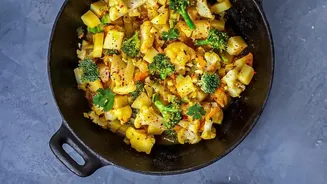
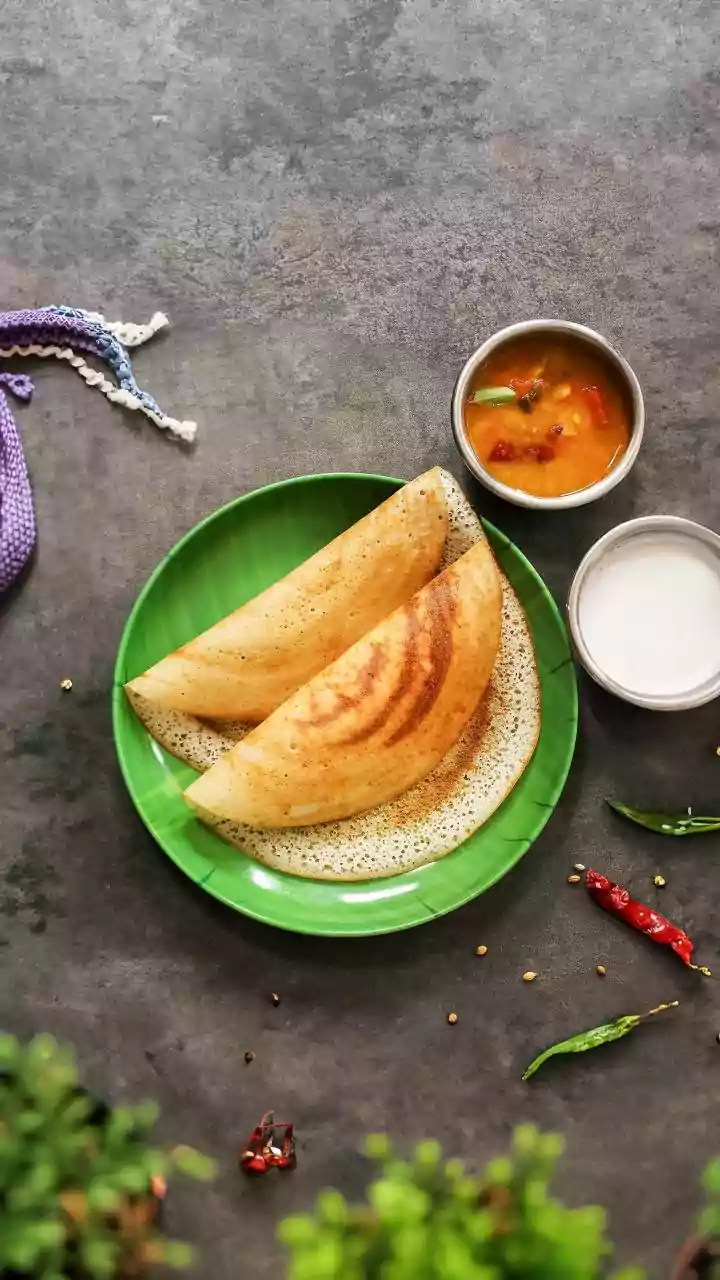
that, when properly cared for, develops its own natural non-stick surface. Furthermore, its ability to retain and distribute heat evenly is unmatched, leading to crispier dosas, perfectly seared meats, and richer, slow-cooked curries. This superior heat retention means food cooks uniformly without hot spots and stays warm long after the stove is turned off. Built to last for generations, a well-maintained cast-iron pan is also a sustainable investment, bucking the trend of disposable kitchenware.
The Art of Seasoning: Your First Step
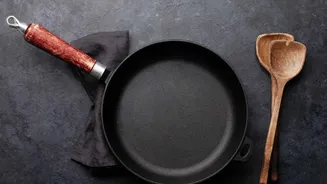
The secret to a great cast-iron pan lies in its seasoning—a layer of polymerised oil baked onto the surface. This is what creates the rust-resistant, non-stick coating. While many pans come pre-seasoned, a few extra rounds at home will build a stronger foundation. Start by washing your new pan with mild soap and warm water to remove any factory residue, then dry it completely. Any lingering moisture is an enemy to iron. Apply a very thin, even layer of a high-smoke-point oil like groundnut, rice bran, or mustard oil across the entire surface, including the handle and bottom. Wipe off any excess until the pan looks almost dry. Heat it in an oven (upside down at around 200°C) for an hour or on the stovetop until it begins to smoke lightly, then let it cool completely. Repeating this process a few times will create a durable, slick surface ready for cooking.
Your Daily Cleaning Ritual
Proper cleaning is crucial and surprisingly simple. The biggest rule is to avoid letting your pan soak in water, as this invites rust. After cooking, let the pan cool slightly. For general cleaning, rinse with warm water and use a soft brush or sponge. The long-held belief that soap is forbidden is outdated; a small amount of mild dish soap is fine for cleaning, as modern soaps don't contain the harsh lye that would strip seasoning. For stubborn, stuck-on food, skip the harsh scrubber and use a paste of coarse salt and water as a gentle abrasive. The most important step is to dry the pan immediately and thoroughly with a cloth. For extra protection, place it on the stove over low heat for a minute to evaporate any remaining moisture before storing.
Troubleshooting: Tackling the Dreaded Rust
If you spot rust, don't panic. It's easily fixable and a sign that the cookware is pure iron. For light rust, a good scrub is often enough. For more stubborn spots, create a paste with baking soda and water or use a 50/50 solution of white vinegar and water. Apply the solution, let it sit for a short time (no more than 15-20 minutes for vinegar to avoid damaging the iron), and then scrub the rust away with steel wool or a stiff brush. Once the rust is gone, wash the pan thoroughly with soap and water, dry it completely, and perform the seasoning process again to restore its protective layer.
Common Mistakes to Avoid
A few common habits can undermine your cast-iron efforts. First, avoid extreme temperature changes, like plunging a hot pan into cold water, which can cause it to warp or even crack. Second, while cast iron loves heat, preheating it too quickly on a high flame is a mistake; let it warm up gradually to prevent hot spots. Finally, don't let it air dry. Always wipe it down and consider a quick trip over a low flame to ensure it's bone-dry before storing. Storing it with a paper towel inside can also help absorb any ambient moisture.