






Glossy Tiles: The Light Reflectors
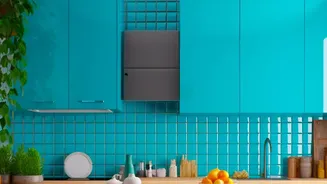
Glossy tiles have a polished, reflective surface that acts like a mirror for light. This quality is their greatest strength and a key consideration. In rooms with limited natural light, such as small bathrooms or narrow hallways, glossy tiles can be a game-changer.
They bounce light around the room, making the space feel brighter, more open, and visually larger. The reflection enhances the vibrancy and saturation of the tile's colour, making it appear deeper and more dynamic. However, this reflective nature has a downside. Direct, harsh lighting—whether from a window or a poorly placed downlight—can create intense glare or hotspots. This same shininess will also highlight every imperfection, from water spots and fingerprints to any unevenness in the subfloor.
Matte Tiles: The Light Absorbers
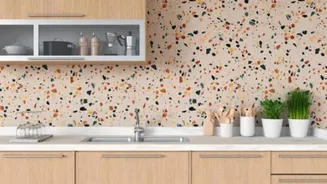
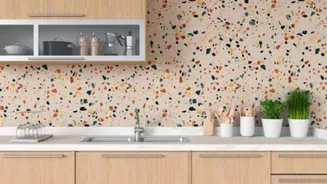
In contrast, matte tiles have a non-reflective surface that absorbs light rather than bouncing it back. This creates a softer, more subtle and calming effect. Instead of creating sharp reflections, matte surfaces diffuse light, resulting in a more uniform look with minimal glare. This quality makes them excellent at hiding minor imperfections, smudges, and dust, which is a practical benefit in busy households. The colour on a matte tile can appear more consistent and natural throughout the day. The main consideration for matte tiles is that their light-absorbing nature can sometimes make a dark room feel even darker. They don't have the same space-enlarging, light-amplifying properties as their glossy counterparts, instead offering a more grounded, natural aesthetic.
The Influence of Natural Light
The type and amount of natural light a room receives are critical. A north-facing room, which gets cooler, indirect light, may benefit from the brightening effect of glossy tiles. In a south-facing room that receives intense, direct sun for much of the day, glossy tiles could produce uncomfortable glare. Here, a matte finish would be ideal to diffuse that harsh light and create a softer, more tranquil atmosphere. The time of day also transforms the appearance. The warm, angled light of a sunrise or sunset will interact differently with a tile's finish compared to the bright, direct light of midday. It's always wise to observe tile samples in the actual room to see how they look in the morning, afternoon, and evening.
Strategies for Artificial Lighting
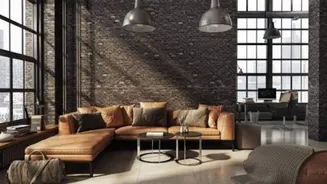
Artificial lighting gives you more control. The key is to match the light to the tile finish. For glossy tiles, avoid placing spotlights or downlights in a way that they reflect directly into your line of sight. Instead, opt for layered lighting with softer, diffused sources like wall sconces or lamps to prevent glare. Cool, bright LED lights can enhance the sleek, modern look of glossy tiles. For matte tiles, you may need more light output to achieve the same level of brightness. Directional lighting, such as accent lights angled towards a textured matte wall, can create beautiful shadows and highlights, bringing out the tile's depth and character. Warm-toned lights often complement the natural, earthy feel of matte finishes, creating a cozy and inviting ambiance.
Room-by-Room Recommendations
In kitchens, a glossy backsplash can be both beautiful and practical, as the smooth surface is easy to wipe clean. However, a matte finish on kitchen floors or work surfaces can be better at camouflaging crumbs and smudges. For bathrooms, safety is paramount. Matte tiles generally offer better slip resistance, making them a superior choice for floors, especially in wet areas. Many designers now use matte tiles on the floor for safety and practicality, while using glossy tiles on the walls to reflect light and create a sense of space and elegance. In living rooms or bedrooms, the choice depends entirely on the desired mood. A glossy feature wall can add a touch of glamour, while matte floors provide a calm, understated foundation for a relaxing space.