





A Full-Body Fitness Experience
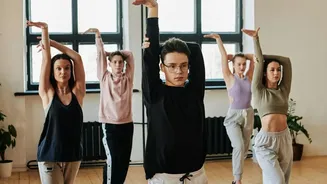
At its core, dancing is a formidable physical workout. Unlike repetitive exercises that target isolated muscles, a dance class engages your entire body. From your legs and glutes to your core and arms, every part is in motion. This leads to improved cardiovascular
health, stamina, coordination, and flexibility. A typical class gets your heart rate up, helping to burn calories and strengthen your heart, all while you're focused on the rhythm and steps. The variety of movements in genres like Zumba, Bollywood dance, or hip-hop ensures that your body is constantly challenged in new ways, preventing fitness plateaus and boredom.
The Brain on Music and Movement
The magic of group dancing isn't just in the movement; it's in the music. Music has a powerful effect on the brain, capable of boosting mood and motivation. When you exercise to a beat, your body naturally wants to sync up, which can make the physical effort feel less strenuous. This synchronization doesn't just make the workout more enjoyable; it also engages the brain on a deeper level. Learning and remembering choreography builds new neural pathways, which can help support cognitive functions like memory and planning. This mental engagement is a key reason why dancing often feels less like a workout and more like a joyful activity.
The Psychology of Moving Together
This is where group dancing truly sets itself apart. The act of moving in synchrony with other people has a profound psychological effect. Research shows that when we coordinate our movements with others, our brains release endorphins, the body's natural 'feel-good' chemicals, which not only elevates mood but also fosters a sense of social bonding and connection. This shared experience creates a powerful sense of camaraderie and belonging. You're not just exercising in the same room; you are part of a collective, moving as one. This can transform a group of strangers into a supportive community, reducing feelings of loneliness and isolation.
An Active Form of Meditation
For many, the biggest benefit is the mental escape. A dance class demands your full attention. You have to focus on the instructor's cues, listen to the music's rhythm, and coordinate your body's movements. This intense focus provides a break from the repetitive negative thoughts and daily worries that can cause stress. It's a form of active mindfulness, or 'meditation in motion,' where you are fully present in the moment. By the end of the class, you may find that the mental chatter has quieted down, not because you forced it to, but because your brain was too busy having fun to worry. This process helps lower levels of the stress hormone cortisol, leaving you feeling refreshed and emotionally balanced.
Building Confidence and Community
Mastering a new step or completing a full routine brings a tangible sense of accomplishment that boosts self-esteem. In a supportive class environment, there's no judgment, only encouragement from instructors and peers. This helps you feel more comfortable in your own skin and builds body positivity. Furthermore, the social structure of a weekly class provides accountability and motivation. Knowing that your friends and instructor are expecting you makes it easier to show up, even on days when you don't feel like it. These classes often become a vital social outlet and a source of lasting friendships.