







Composition and Calorie Count
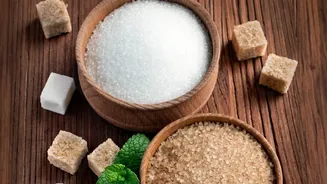
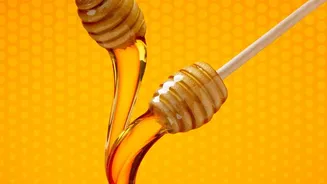
At a basic level, both honey and table sugar (sucrose) are carbohydrates made of fructose and glucose. Table sugar is pure sucrose, which is 50% fructose and 50% glucose bonded together. Honey, on the other hand, is a more complex mixture. It consists
of about 40% fructose and 30% glucose, with the rest being water, pollen, and trace amounts of other sugars, enzymes, and minerals. Because of its composition, honey is sweeter than sugar, meaning you might use less of it. However, tablespoon for tablespoon, honey is denser and contains more calories: about 64 calories compared to sugar's 46-49.
Impact on Blood Sugar
The Glycemic Index (GI) measures how quickly a food raises blood sugar levels. Here, honey has a slight edge. Table sugar has a GI of around 65, while honey's GI is typically lower, averaging around 58, though it can vary depending on the floral source. The reason for this difference lies in their structures. Because the sugars in honey are mostly separate, and it has a higher fructose ratio, the body processes it slightly differently, leading to a more gradual rise in blood sugar compared to sucrose. Some studies suggest that in diabetic patients, honey causes a lower elevation of plasma glucose compared to dextrose or sucrose. However, both are high-carbohydrate foods that will raise blood sugar, so moderation is crucial.
The Micronutrient Advantage
This is where honey pulls ahead more clearly. Refined table sugar is often described as 'empty calories' because the refining process strips it of any nutrients. Raw honey, conversely, retains small amounts of beneficial compounds. It contains trace amounts of B vitamins, minerals like potassium and iron, and various antioxidants like flavonoids and phenolic acids. Some types of honey also possess natural antibacterial properties. While you would need to consume a very large and unhealthy amount of honey to get a significant dose of these nutrients, their presence marks a distinct difference from nutritionally void table sugar.
What 'Natural' Really Means
The term 'natural' on a food label can be misleading. In many countries, including the U.S., the term isn't strictly defined by food regulation agencies. This means that a sweetener labelled 'natural' can still be highly processed or refined. Both table sugar (derived from sugar cane or beets) and honey are from natural sources, but their journey to your table involves different levels of processing. Honey is considered less processed as bees do most of the work, and raw honey is only minimally heated and filtered. However, the 'natural' label itself doesn't guarantee a health benefit, as both honey and sugar are still considered added sugars by dietary guidelines.
The Verdict: A Better Choice, Not a Health Food
When you put it all together, honey does appear to have a slight advantage over table sugar. It has a marginally lower glycemic index and contains antioxidants and trace nutrients that sugar lacks. Some research even suggests honey may have modest benefits for cholesterol levels compared to sugar. However, these differences are small in the context of a balanced diet. Your body ultimately metabolizes both into simple sugars, and excessive consumption of either can contribute to weight gain and other health issues. The key takeaway is not that honey is a 'health food,' but that it's a slightly more complex and less 'empty' sweetener than refined sugar.