




A Vision Problem in Zero Gravity
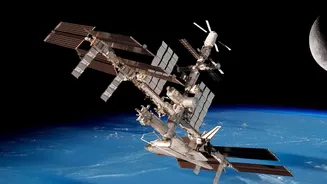
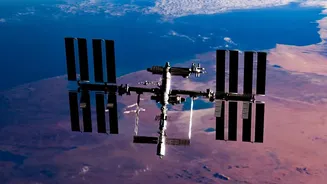
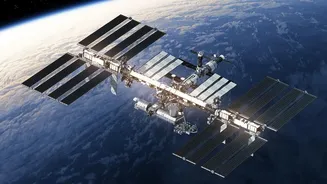
Long-duration spaceflight is tough on the human body. Beyond muscle and bone density loss, one of the most significant medical challenges is Space-Associated Neuro-ocular Syndrome, or SANS. This condition affects as many as 70% of astronauts on missions
aboard the International Space Station (ISS). In the microgravity of space, bodily fluids shift upwards towards the head, increasing pressure on the brain and the back of the eyes. This can cause the optic nerve to swell, the eyeball itself to flatten, and can lead to blurred vision and other lasting damage. For missions to the Moon or Mars, where a quick return to Earth is impossible, SANS is considered a major risk to astronaut health and mission success.
The Current bulky Solution
To monitor these changes, space agencies like NASA and the European Space Agency (ESA) currently use a technology called Optical Coherence Tomography (OCT). An OCT scan works like ultrasound but uses light to create high-resolution, cross-sectional images of the retina, allowing doctors on Earth to track changes with incredible precision. The problem is that the current OCT machine on the ISS is large and heavy, weighing around 30 kilograms, and often requires two crew members and real-time guidance from ground control to operate. For future, smaller habitats on the Moon or cramped spacecraft on a multi-year journey to Mars, this bulky solution is not practical.
Enter Siloton's Miniature Scanner
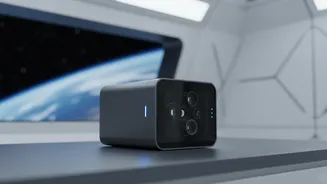
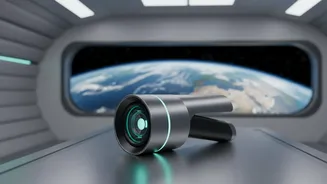
This is where UK-based health technology company Siloton comes in. With support from the ESA, Siloton is developing a miniaturised eye-scanning system designed for deep space missions. Using quantum technology, the company has managed to shrink the complex optics of a traditional OCT machine—normally the size of a large office printer—onto a single photonic chip smaller than a coin. This breakthrough allows them to build a complete, self-operated OCT scanner that is expected to be about the size of a pair of binoculars and weigh less than two kilograms.
A Leap for Astronaut Autonomy
The planned device represents a huge leap in medical autonomy for astronauts. Instead of relying on a large machine and support from Earth, a single crew member could perform their own retinal scans easily and frequently. The data could then be sent back to medical teams for analysis or, in the future, be analysed by onboard AI to provide immediate feedback. This capability is essential for understanding how SANS progresses over long periods and for testing the effectiveness of any countermeasures, like specialised suits or exercises designed to pull fluid back towards the lower body. As one ESA medical engineer noted, whatever diagnostic capability we have must be able to travel with the astronauts.
From Outer Space to Your Local Clinic
While developed for the extreme environment of space, Siloton's technology has profound implications for healthcare on Earth. The high cost and large size of current OCT machines limit their availability to specialist eye hospitals and clinics. By creating a low-cost, portable, and easy-to-use device, Siloton hopes to make this powerful diagnostic tool accessible to local optometry practices, community health centres, and even for at-home monitoring. This could lead to earlier detection and better management of common eye diseases like glaucoma, macular degeneration, and diabetic retinopathy, potentially saving the sight of millions of people around the world.